






Colorado House approves bill to regulate funeral industry
Debbie Kelley, The gazette
Story updated to reflect additional changes to the bill.
The bill to put Colorado’s funeral home operators under state regulation for the first time in 40 years won near unanimous approval from the House Wednesday.
Senate Bill 173 requires licensing for funeral directors, mortuary science practitioners, embalmers, cremationists, and natural reductionists. The licensing requirements are steep.
The bill says perspective funeral industry professionals must apply, pay an application fee, pass a criminal history check and not be subject to discipline in another state. Those regulations go into effect Jan. 1, 2027.
Under the proposal, funeral directors, mortuary science practitioners and embalmers must graduate from an approved mortuary science school and serve a one-year apprenticeship. Funeral directors must pass the “arts” section of a national board exam, mortuary science practitioners must pass the “arts and science” sections, and embalmers must pass the science section.
Natural reductionists specializing in composting human remains, a practice authorized in Colorado in 2021, must receive official certification from one of several organizations in the cremation industry.
The bill dictates that current practitioners must obtain a provisional license, a requirement that goes into effect with the governor’s signature.
To qualify for that provisional license, the applicant can’t have a “disqualifying” criminal record, must pass a background check, have at least a year of workplace experience as a funeral director, mortuary science practitioner, embalmer, cremationist or natural reductionist; and 4,000 hours of equivalent experience obtained no later than Jan. 1, 2026.
The bill also adds a process for renewal, which includes six hours of continuing education, including classes on law, ethics, and public health requirements.
A series of scandals involving funeral homes led to this year’s legislation.
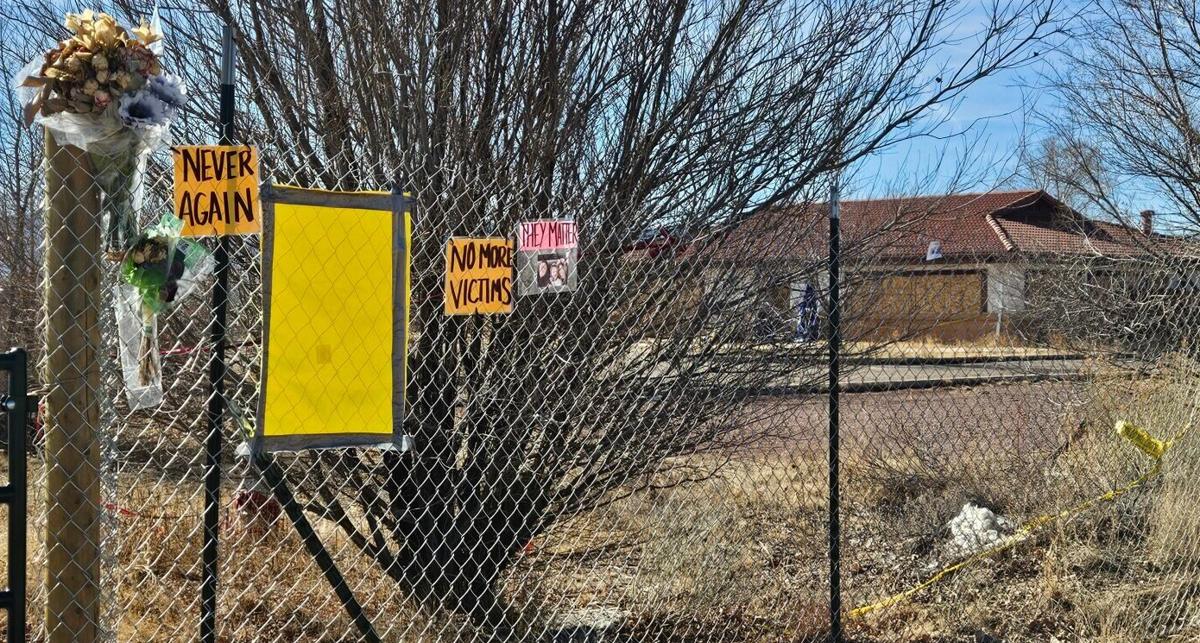
In Penrose, a couple operating the Return to Nature funeral home, where the license had expired, are facing federal charges related to 189 bodies left to decompose. In Denver, the cremains of 30 people, plus the body of a woman left in a hearse for two years, are tied to another operator whose license had also expired. A mother and daughter in Montrose who owned a funeral home are both serving time in federal prison for selling body parts.
The House on Tuesday amended the bill to provide another path forward for those who have been in the industry for a long time. Under the amendment, instead of taking a national exam, a practitioner can be “peer-reviewed” by another practitioner willing to attest to the Department of Regulatory Agencies that the individual is qualified and has the appropriate workplace learning experience.
That experience would include at least 25 funerals or 25 embalments. The peer review person must be approved by DORA and be employed in the same area of the profession.
Soper said the amendment was suggested by Arapahoe Community College, which offers the only accredited mortuary degree in the state.
SB 173 now heads back to the Senate for review of amendments.
Colorado House approves bill to regulate funeral industry
The bill to put Colorado’s funeral home operators under state regulation for the first time in 40 years won near unanimous approval from the House Wednesday.
Senate Bill 173 requires licensing for funeral directors, mortuary science practitioners, embalmers, cremationists, and natural reductionists. The licensing requirements are steep.
The bill says perspective funeral industry professionals must apply, pay an application fee, pass a criminal history check and not be subject to discipline in another state. Those regulations go into effect Jan. 1, 2026.
Under the proposal, funeral directors, mortuary science practitioners and embalmers must graduate from an approved mortuary science school and serve a one-year apprenticeship. Funeral directors must pass the “arts” section of a national board exam, mortuary science practitioners must pass the “arts and science” sections, and embalmers must pass the science section.
Natural reductionists specializing in composting human remains, a practice authorized in Colorado in 2021, must receive official certification from one of several organizations in the cremation industry.
The bill dictates that current practitioners must obtain a provisional license, which goes into effect with the governor’s signature. That license requires proof of at least 6,500 hours of work experience, a one-year apprenticeship, and a background check.
If the person holds that provisional license for 24 months, they will qualify for full licensure.
The bill also adds a process for renewal, which includes six hours of continuing education, including classes on law, ethics, and public health requirements.
A series of scandals involving funeral homes led to this year’s legislation.
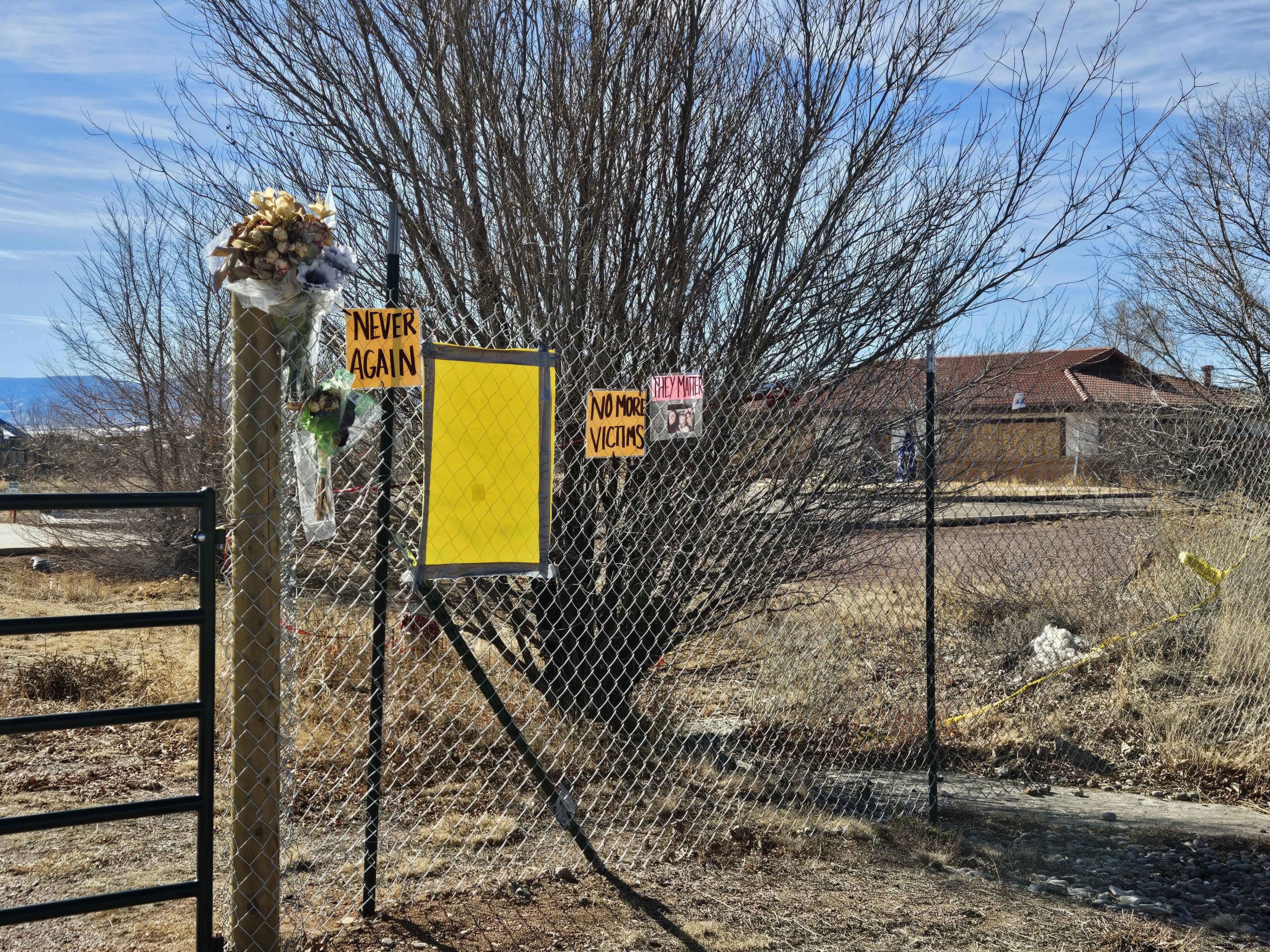
In Penrose, a couple operating the Return to Nature funeral home, where the license had expired, are facing federal charges related to 189 bodies left to decompose. In Denver, the cremains of 30 people, plus the body of a woman left in a hearse for two years, are tied to another operator whose license had also expired. A mother and daughter in Montrose who owned a funeral home are both serving time in federal prison for selling body parts.
The House on Tuesday amended the bill to provide another path forward for those who have been in the industry for a long time. Under the amendment, instead of taking a national exam, a practitioner can be “peer-reviewed” by another practitioner willing to attest to the Department of Regulatory Agencies that the individual is qualified and has the appropriate workplace learning experience.
That experience would include at least 25 funerals or 25 embalments. The peer review person must be approved by DORA and be employed in the same area of the profession.
Soper said the amendment was suggested by Arapahoe Community College, which offers the only accredited mortuary degree in the state.
SB 173 now heads back to the Senate for review of amendments.

Colorado House approves bill to regulate funeral industry
The bill to put Colorado’s funeral home operators under state regulation for the first time in 40 years won near unanimous approval from the House on May 1.
Senate Bill 173 requires licensing for funeral directors, mortuary science practitioners, embalmers, cremationists, and natural reductionists. The licensing requirements are steep.
The bill says perspective funeral industry professionals must apply, pay an application fee, pass a criminal history check and not be subject to discipline in another state. Those regulations go into effect Jan. 1, 2026.
Under the proposal, funeral directors, mortuary science practitioners and embalmers must graduate from an approved mortuary science school and serve a one-year apprenticeship. Funeral directors must pass the “arts” section of a national board exam, mortuary science practitioners must pass the “arts and science” sections, and embalmers must pass the science section.
Natural reductionists specializing in composting human remains, a practice authorized in Colorado in 2021, must receive official certification from one of several organizations in the cremation industry.
The bill dictates that current practitioners must obtain a provisional license, which goes into effect with the governor’s signature. That license requires proof of at least 6,500 hours of work experience, a one-year apprenticeship, and a background check.
If the person holds that provisional license for 24 months, they will qualify for full licensure.
The bill also adds a process for renewal, which includes six hours of continuing education, including classes on law, ethics, and public health requirements.
A series of scandals involving funeral homes led to this year’s legislation.
In Penrose, a couple operating the Return to Nature funeral home, where the license had expired, are facing federal charges related to 189 bodies left to decompose. In Denver, the cremains of 30 people, plus the body of a woman left in a hearse for two years, are tied to another operator whose license had also expired. A mother and daughter in Montrose who owned a funeral home are both serving time in federal prison for selling body parts.
The House on April 30 amended the bill to provide another path forward for those who have been in the industry for a long time. Under the amendment, instead of taking a national exam, a practitioner can be “peer-reviewed” by another practitioner willing to attest to the Department of Regulatory Agencies that the individual is qualified and has the appropriate workplace learning experience.
That experience would include at least 25 funerals or 25 embalments. The peer review person must be approved by DORA and be employed in the same area of the profession.
Soper said the amendment was suggested by Arapahoe Community College, which offers the only accredited mortuary degree in the state.
SB 173 now heads back to the Senate for review of amendments.