






Backup quarterbacks toil in obscurity
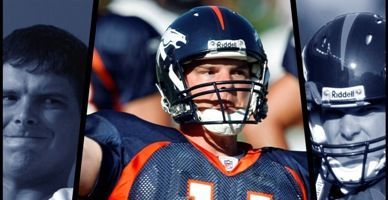
ENGLEWOOD • For the first five weeks of the NFL season, Denver Broncos backup quarterback Patrick Ramsey was on the injury report with a sore right elbow.
Had starter Jay Cutler had a similar problem, his status might have been worthy of nonstop conversation in Denver. Broncos coach Mike Shanahan never fielded a question about Ramsey. Aside from the Broncos training staff and the staffer assigned to compiling the report, nobody seemed to notice.
Backup quarterback is one of the strangest jobs in sports. Nobody pays any attention to you unless things are going bad. Most likely, the only way Ramsey gets a mention on tonight’s Broncos-Patriots telecast is if Cutler goes down.
Being behind a quarterback as good and durable as Cutler can be lonely. That’s one of the perks of the job.
“I love the lack of attention,” said Ramsey, moments after quietly watching his offensive line teammates play cards in the locker room while other Broncos were being interviewed. “I enjoy the fact that I’m under the radar and can take it all in, and I can interact with the guys rather than talking to (the media) a lot.”
It can change quickly. New England’s Matt Cassel was living the quiet life of a backup for three seasons, and was even part of a Super Bowl team last year.
Then, starter and league MVP Tom Brady blew out his knee in the first quarter of New England’s first game and the league’s premier franchise was suddenly on Cassel’s shoulders. New England won all 16 regular-season games last year with Brady. This year, the Patriots are 2-2 in games Cassel has started. His performance has been dissected. This week Patriots coach Bill Belichick had to reaffirm that Cassel was his quarterback.
Cassel waited years to be a starter. He didn’t even start in college at USC. Now that he is finally starting, he hasn’t had any time to enjoy it.
“I really haven’t had a chance to step back and look at it from that perspective,” Cassel said. “It’s just kind of, you get thrown in the position and you take a deep breath and say ‘Here we go.'”
A successful backup has to be able to mentally accept his role. From week-to-week, the backup has to put in the same preparation as the starter but usually, there’s no payoff for it. Ramsey has been with Denver for 22 games and threw passes in two of them. He has 48 career attempts with the Broncos, 46 of which came last year at Detroit when Cutler injured his leg. In Denver’s game against Jacksonville on Oct. 12, Ramsey was the only player among the 45 who were active to not get in for a play.
When a linebacker or receiver is backing up, he almost always has to contribute on special teams. Unless a backup quarterback holds kicks, and Ramsey doesn’t, he can spend months waiting to play. And if the starter gets hurt, the backup takes a few practice throws before being sent in to run the offense despite almost no practice repetitions that week.
“I truly – and this is what you’re going to hear from everybody – I prepare as if I’m going to start the second play of the game,” Ramsey said. “But it is difficult because you just don’t know and you don’t get the (practice) reps. But at the same time, that’s my job and I want to be good at it.”
Taking a step back from the weekly NFL grind, the mind-set for a backup quarterback is still unusual. Ramsey is a former first-round pick and started 24 games in four seasons for the Redskins. He wants to start, wants to accept and be good in his backup role but doesn’t want to be too comfortable as a backup. Try juggling all those desires into a productive approach.
“It’s not something you necessarily want to embrace too much, because I think you’re not prepared to play if you embrace it too much,” said Ramsey, who hasn’t started a game since the 2005 season opener. “But at the same time, it’s something you have to get accustomed to and get comfortable with in order to be successful.”
Broncos backup quarterback Patrick Ramsey said he prepares for every game as if he will be the starter. Photo by