






Broncos’ safety shares his good fortune, reaps the benefits
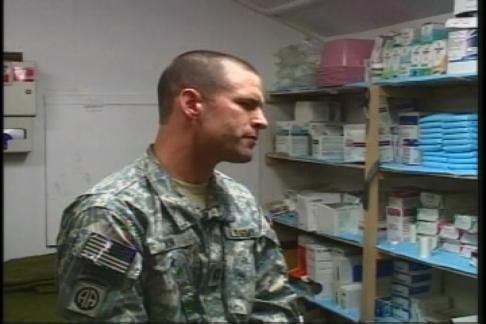
An Army physician who spent his career studying the malaria drug mefloquine, also known as Lariam, asked Congress on June 6 to support research on brain injuries he says can be caused by the medication.
Speaking before the Senate Appropriations Committee, Maj. Remington Nevin requested funding for a mefloquine research center at a civilian medical or public health school to investigate the “physiology, epidemiology, clinical diagnosis and treatment” of health issues related to mefloquine.
“Given our research commitments to post-traumatic stress and traumatic brain injury … this observation calls for a similarly robust agenda into mefloquine neurotoxic brain injury to ensure that patients with these conditions are receiving accurate diagnoses and the very best medical care,” Nevin said.
An epidemiologist and preventive medicine expert, Nevin published a case study in March of a sailor who developed psychosis, short-term memory loss, confusion and personality change after taking mefloquine. Nevin believes the drug caused lesions to form in the patient’s brain stem.
He has published previous work similarly raising concerns about mefloquine, developed under the Army’s malaria drug discovery program from 1963 to 1976 to prevent and treat malaria.
Capt. Nevin talks to a military reporter about the need for troops to continue taking their malaria medication going into winter, even though the mosquito population will be decreasing. Read more: http://www.dvidshub.net/video/27885/capt-nevin#.T9oXr1Iv70Q#ixzz1xmtiJP4m Photo by