






Opinion: Watching Annika a treat, even if she’s not at her best
Hundreds of Iraq and Afghanistan veterans with post-traumatic stress have recently contacted a husband-and-wife team who work in suburban South Carolina to seek help. Many are desperate, pleading for treatment and willing to travel to get it.
The soldiers have no interest in traditional talking cures or prescription drugs that have given them little relief. They are lining up to try an alternative: MDMA, better known as Ecstasy, a party drug that surfaced in the 1980s and ’90s that can induce pulses of euphoria and a radiating affection. Government regulators criminalized the drug in 1985, placing it on a list of prohibited substances that includes heroin and LSD. But in recent years, regulators have licensed a small number of labs to produce MDMA for research purposes.
“I feel survivor’s guilt, both for coming back from Iraq alive and now for having had a chance to do this therapy,” said Anthony, a 25-year-old living near Charleston, S.C., who asked that his last name not be used because of the stigma of taking the drug. “I’m a different person because of it.”
In a paper posted online Tuesday by the Journal of Psychopharmacology, Michael and Ann Mithoefer, the husband-and-wife team offering the treatment — which combines psychotherapy with a dose of MDMA — write that they found 15 of 21 people who recovered from severe post-traumatic stress in the therapy in the early 2000s reported minor to virtually no symptoms today. Many said they have received other kinds of therapy since then, but not with MDMA.Click here to read more
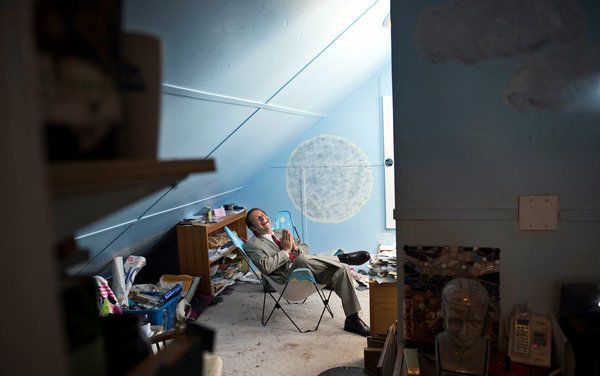
ALTERNATIVE TREATMENT Rick Doblin of the Multidisciplinary Association for Psychedelic Studies, which is financing research into the drug Ecstasy. Photo by Gretchen Ertl for The New York Times