






DIG IT: Pick the right places so your plants may thrive
“Location, location, location” is the rule of real estate. The gardening mantra is almost the same: “Right plant, right place.” So, your choice of location for your plant is as important as what plant you chose.
Your time and money are tapped when you decide where to place your new plant or vegetable garden. Ideally, you should have a solid understanding of where the sun hits the ground for the longest hours during the summer.
Assess your yard
In your yard, where is south? Where is east? Where is west? What trees give shade during the summer? Come spring, when does the sun rise over the top of that evergreen? Or that fence?
South and west sun is the strongest, hottest, and can dry out plants the quickest. Even heat-loving tomatoes situated where they get southern exposure, will do better with some mulch on the soil to slow evaporation.
Morning sun and afternoon shade is ideal for many plants. The shade protects them from the extreme light intensity of afternoon sun. Clematis, for example, does best with east sun and afternoon shade.
How much sun?
When plants tabs call for full sun, the growers mean eight hours per day. However, we may be able to do well with fewer hours in Colorado Springs.
At 6,200 feet elevation, and semi-arid climate, we have much less water vapor to filter sunlight than other locations, resulting in greater light intensity. Six hours will work for most vegetables here. Colorado State University offer more information on light intensity here. http://www.ext.colostate.edu/mg/gardennotes/142.pdf
Shade can help
Most plants thrive with the gentle morning sun from the east, but struggle with too much sun and heat. If you’ve seen your beans droop in the mid-day heat, they would benefit when placed where they get protection, such as under a tree.
Deep shade is where very little or no direct sunlight hits the ground, as on the north side of a house or under dense tree canopies. Only the most shade tolerant plants will thrive in those locations.
Filtered shade is when dappled light gets through a sparse canopy – think of the light under locust trees, with their slender foliage. This setting is perfect for plants marked “half-shade,” like columbines.
It is important to read the plant labels carefully, and ask people who have had experience with specific plants. For example, impatiens are marked as shade plants, but really prefer to have some morning sun.
Microclimates
The temperature in the shade of a tree or house can be ten degrees cooler than sunlit areas. House walls painted a light color reflect more light, and stone walls retain heat for hours. These situations create “microclimates,” where the weather is different than the rest of the yard. More information is available here. http://www.ext.colostate.edu/Pubs/columngw/gr060722.html
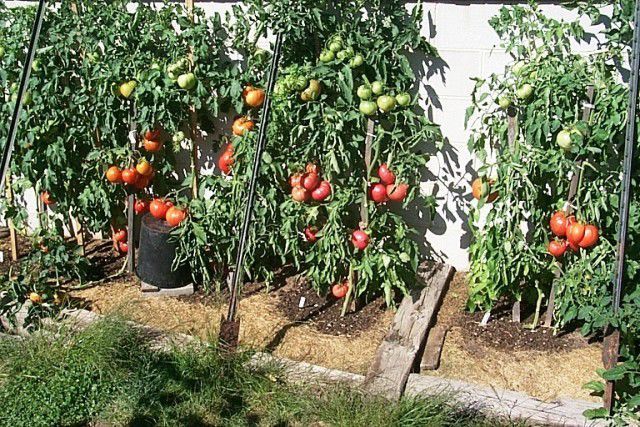
Many vegetable gardeners have greater success when they plant along a sunny house or stone wall. Colorado Master Gardener Ross Krummel reports great results with tomatoes planted on the east side of a wall, where they get six hours of direct sunlight and deep shade in the afternoon.
Terrain
The terrain of the yard can make a difference to plants. Trees on an exposed hill will get more wind, and rain will run down the slope, away from plants. Lower areas will offer more wind protection, but will collect more water. Avoid planting frost-sensitive plants in valleys, since cold air collects in lower parts of the landscape.
Damaging elements
Our summer weather follows somewhat predictable patterns: We have beautiful, clear skies in the mornings, then it clouds up in the afternoon often bringing wind and hail from the north and west. Clouds reduce light intensity and duration, so vegetables planted on the west side of a structure may not get all the light they need.
Gardeners can protect their plants from and hail by planting them under a porch or a tree’s canopy. Driving around El Paso County on summer afternoons, you will often see containers and gardens covered with sheets and towels. Row covers are gaining popularity because they protect plants from too much sun, wind, hail and insects.
In our semi-arid climate, the wind has so little water vapor, it draws moisture from all plants, desiccating some of them. Our prevailing wind is from the north and west, so gardeners can help sensitive plants by placing them on the east side of a structure.
Gardeners can also pre-select trees that hold up better in our dry climate. Narrow leaves suffer less from wind and hail damage. So, pine needles will hold up better than ash leaves, and ash leaves do better than broad maple leaves. Plants with thick, waxy leaves – such as plump lilac leaves – also have better protection from hail and dry wind.
Water needs
It is important to group plants by water needs. That way, you won’t drown your xeric plants when the sprinkler comes on. Spruce and maple appreciate the extra irrigation lawns get, but piñon pines will suffer from too much water.
Planning ahead
By reading the plant label, gardeners can determine how much space a plant will need. For example, blue spruces can achieve 40 feet in diameter, so they should not be planted near a sidewalk. Indeterminate tomatoes can grow over five feet tall, and belong in the back of the garden, where they will not block the sun for zucchini.
Convenience
Place plants that need more attention in a convenient location. Since most vegetables need daily attention, it makes sense to place it near the back door, rather than in a remote corner.
When to plant
Whether buying flats of annual flowers, or starting vegetables from seed, gardeners need to take care when putting young plants in the ground. Our average first frost-free day is May 8, and many people use Mother’s Day as their target planting date.
Most experienced gardeners keep their sheets ready in spring to cover plants when a late frost threatens. Row covers, or even milk jugs with the bottom cut off, will protect seedlings from frost. For more information about our local climate, click here. see http://www.cmg.colostate.edu/gardennotes/743.pdf
-For answers to your horticultural questions, contact the Master Gardener Help Desk at 636-8921, 8:30 a.m. to 4:30 p.m. Mondays-Thursdays, or CSUmg2@elpasoco.com.
Ross Krummel’s tomatoes thrive planted against the east side of a wall, where they get six hours of direct sun and afternoon shade. Photo by Courtesy of Ross Krummel, Colorado Master Gardener