






UK’s Johnson moves to suspend Parliament ahead of Brexit
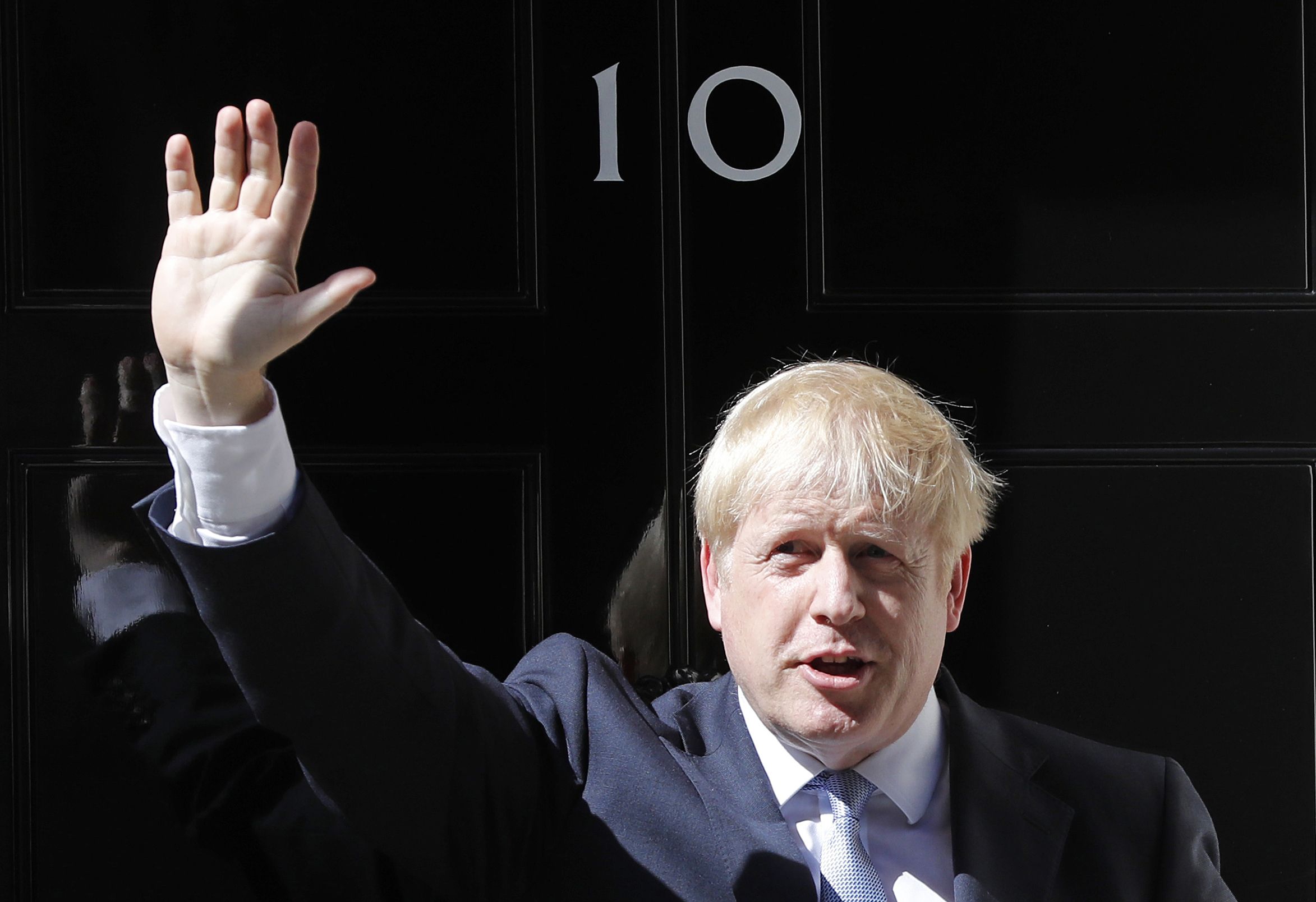
LONDON • British Prime Minister Boris Johnson maneuvered Wednesday to give his political opponents even less time to block a chaotic no-deal Brexit before the Oct. 31 withdrawal deadline, winning Queen Elizabeth II’s approval to suspend Parliament. His critics were outraged.
Though Johnson previously had refused to rule out such a move, the timing of the decision took lawmakers — many of whom are on vacation — by surprise.
Johnson insisted he was taking the step so he could outline his domestic agenda, and he shot down the notion that he was curbing debate, saying there would be “ample time” to discuss Brexit and other issues.
Lawmakers reacted with fury, including John Bercow, speaker of the lower House of Commons, who was not told in advance of Johnson’s plan.
“Shutting down Parliament would be an offense against the democratic process and the rights of parliamentarians as the people’s elected representatives,” Bercow said.
“The prime minister should be commitment to Parliamentary democracy.”
The main opposition Labour Party leader Jeremy Corbyn wrote to the queen to protest “in the strongest possible terms on behalf of my party and I believe all the other opposition parties are going to join in with this.”
The monarch, however, kept with her steadfast refusal to get involved in politics.
The House of Commons will convene from Sept. 3-10 and then was scheduled to go on a break until Oct. 9 — though lawmakers had suggested they might cancel that break and stay in session because of the Brexit crisis.
Johnson said he decided to ask the queen to give her speech that outlines the government’s legislative agenda Oct. 14, and she approved suspending Parliament for 32 days between Sept. 12 and Oct. 14.
That makes it unlikely the lawmakers would have enough time to pass laws blocking the U.K.’s withdrawal from the European Union without a negotiated divorce deal by Oct. 31.
Anti-Brexit supporters protest Wednesday near the Houses of Parliament in London.
