






Fire mitigation yields unlimited benefits
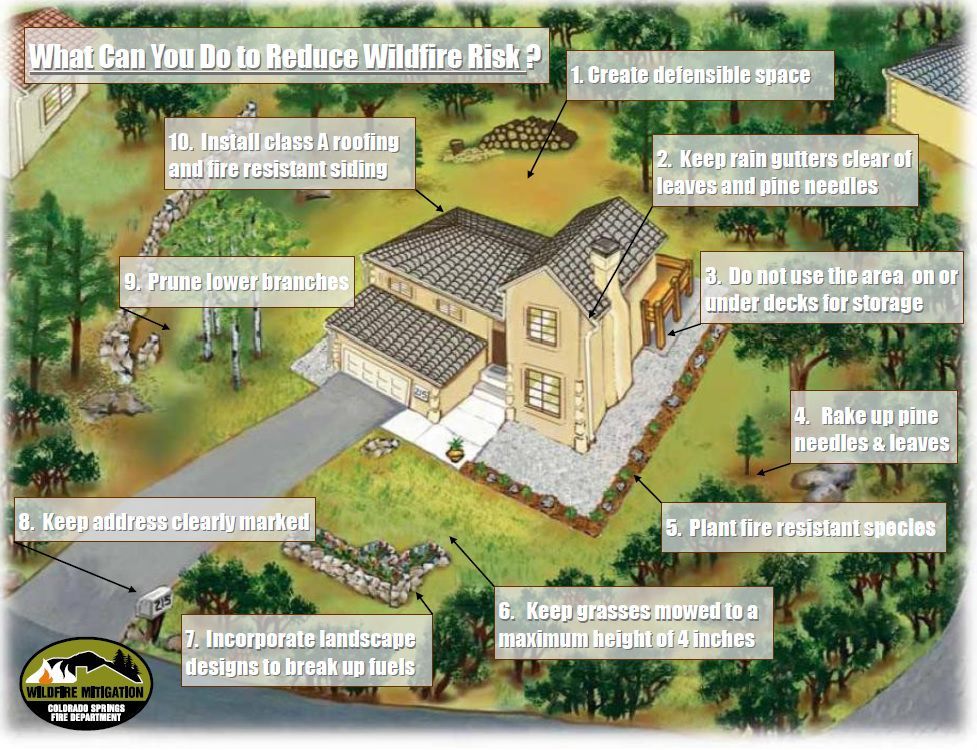
Colorado Springs experienced the two most destructive wildfires in state history during the Waldo Canyon Fire in 2012, and the Black Forest Fire one year later. Reportedly, between the two fires four people lost their lives, 833 homes were destroyed, and a cost of $600 million in insurance claims were incurred.
Although large fires in the Pikes Peak Region are less frequent than places like California, the city has had its share of fires, as well as fire fatalities and millions of dollars in property loss, throughout history.
Records show the Big Burn of 1854, the Cheyenne Mountain fire of 1890, the Camp Carson Fire of 1950, the Westwood Fire in 2005, the Manitou Incline Fire in 2007, the Ft. Carson TA 25 Fire in 2008, and the Coronado Fire in 2009.
The deadliest fire may have been the Camp Carson fire in 1950, claiming 10 lives including 9 soldiers and one 14 year old volunteer. For a long time the Hayman Fire in 2002 was considered the most destructive in state history, devastating 215 square miles, until the Waldo Canyon Fire destroyed 347 homes and 18,000 acres, and took two lives. Then in 2013, within two days of ignition the Black Forest Fire surpassed Waldo Canyon as the most destructive fire in Colorado history, destroying 486 homes, an unknown number of outbuildings, 14,280 acres, and taking two more lives.
There is no way to predict when or where the next fire will occur, but in the wake of recent devastation, it’s become obvious that being prepared is critical. Historical occurrences indicate large fires every 50-75 years with smaller, more frequent fires every 2-4 years.
Wildfire mitigation is a homeowner’s responsibility and is proven to buy time and improve safety for firefighters, in addition to improving the standalone survivability of a home.
Essentially, fire mitigation is controlling the amount of flammable material on and around a house. Recommendations from the Colorado Springs Fire Department include clearing space to a distance of 10 feet around your home, thinning vegetation to a distance of 30 feet, (or to your property line), prune lower tree branches, rake leaves, needles and other flammable debris, and store combustible materials away from your house.
The CSFD is “Sharing the Responsibility” of fire mitigation with homeowners. Free on-site consultations with the Wildfire Mitigation office are available, and at-risk neighborhoods with at least 12 participants can schedule a date for the fire department to bring a wood chipper and haul away cut branches. Anyone interested in mitigation can call (719) 385-7342.
Additionally, the CSFD’s fire mitigation brochure and vegetation management brochure can offer additional mitigation tips.