






GUEST COLUMN: A combined effort to prevent child abuse and neglect fatalities
In 2012, Congress and the president authorized the Commission to Eliminate Child Abuse and Neglect Fatalities. Its mission is to study the issues related to abuse and neglect and develop a national strategy and set of recommendations that can bring about immediate change. Through the commission, we have a national dialogue that is raising visibility and awareness about the scope of the problem and identifying risk factors and best practices.
National estimates are that more than 1,600 children died from abuse or neglect in 2012. Every day, an estimated four more children lose their lives. A majority of these children are 3 or younger.
We’ve experienced tragic losses in Colorado: Chassie Pietrolungo, 2; Natalee Skinner-Hurst, 4 months old; Austin Davis, 3. All of whom died this year due to child abuse and neglect.
As parents, we view this news through the prism of our own children and are horrified. As a country, we must commit ourselves to addressing this terrible problem.
In 2011, El Paso County lost 10 children to abuse and neglect.
In response in 2012, the county, with the help of County Commissioner Sallie Clark and 4th Judicial District Attorney Dan May, created the Not One More Child Coalition. The coalition is made up of representatives from 40 organizations across a broad range of disciplines, including child welfare, public health, law enforcement, the judiciary, advocacy and more.
This week, the Commission to Eliminate Child Abuse and Neglect Fatalities met in Colorado and heard from state and national leaders, including the El Paso County Coalition, which is working on the front lines of this issue every day.
Members of the Not One More Child Coalition were able to report that because of collaborative efforts from a wide range of organizations, including doctors’ offices, the local media, faith-based and advocacy organizations, first responders and military organizations as well as the dissemination of targeted information through hotlines and other materials, the number of deaths in the county due to abuse has been dramatically reduced. It is a testament to El Paso County’s hard work, compassion and common-sense approach to this issue.
But we can all agree that even one death is too many.
That is why efforts like those of the commission and the coalition are vital. They demonstrate the importance of working across systems and agencies to address child abuse and neglect fatalities. To be effective, particularly on a national level, stakeholders need to know the capabilities, resources and scope of work of their counterparts and colleagues. They also need a shared understanding of the problem – a goal that can be more elusive than it first appears.
While there are plenty of egregious examples of child deaths from parental abuse, there are many more gray areas. What if a child dies from co-sleeping with a parent? Or drowns in a swimming pool? Does that constitute neglect or a tragic accident? What if alcohol was involved? Does that change the way we view an accident? These are complex issues.
As the commission continues to study these and other complex issues in advance of releasing its recommendations, real progress will require a comprehensive effort across state, local, tribal, military and federal systems.
Any successful approach must involve a broad range of stakeholders who share a commitment to better understanding how and why these deaths occur, so we can put effective strategies into place to prevent them.
We hope that “not one more child” will become a national rallying cry and commitment to support the vital task ahead.
–
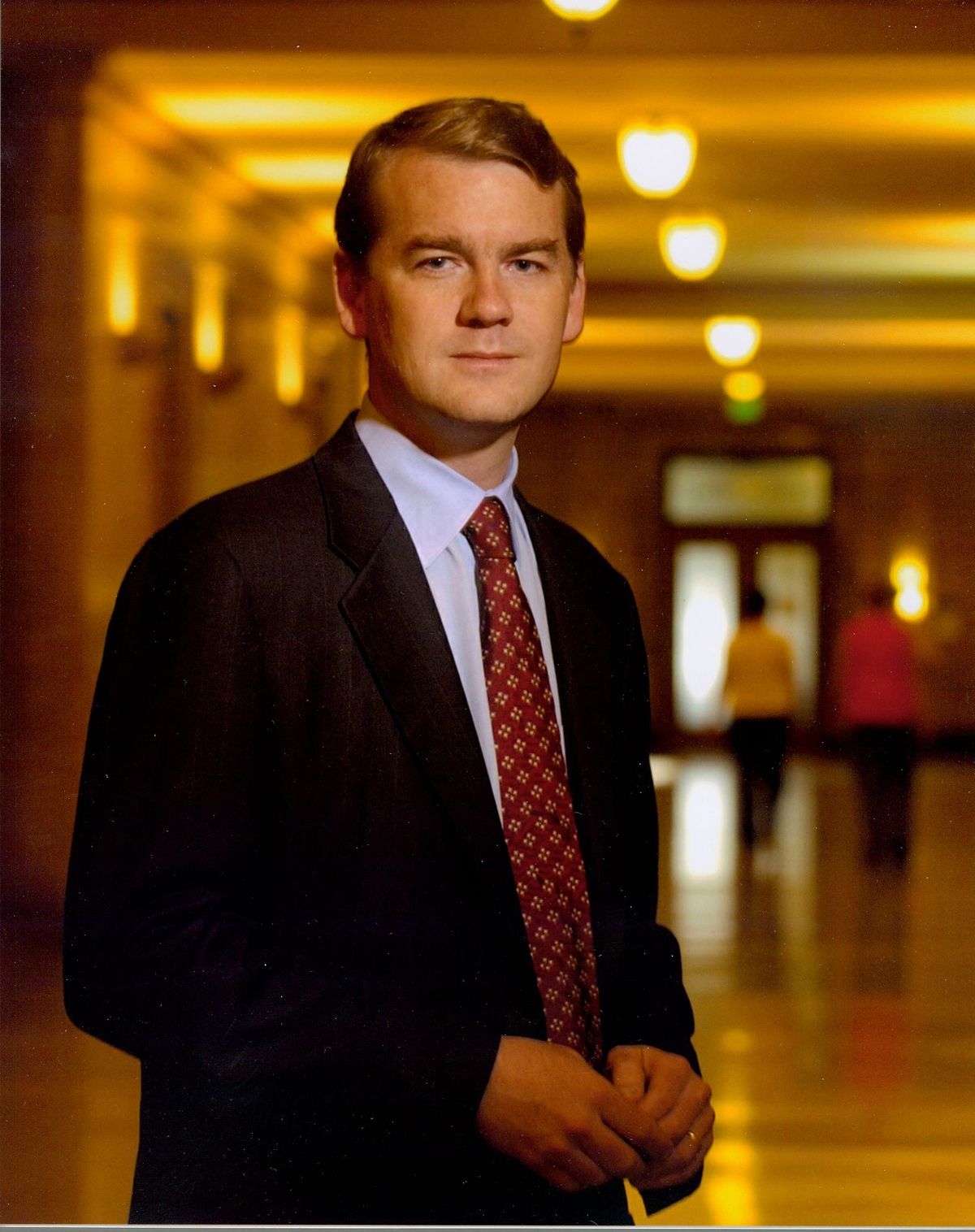
Sen. Michael Bennet, D-Colo., is a member of the Senate Finance and Health, Education, Labor and Pensions committees.
Michael Bennet