






Brown’s Shoe Fit has new location; owner optimistic despite tariff threat
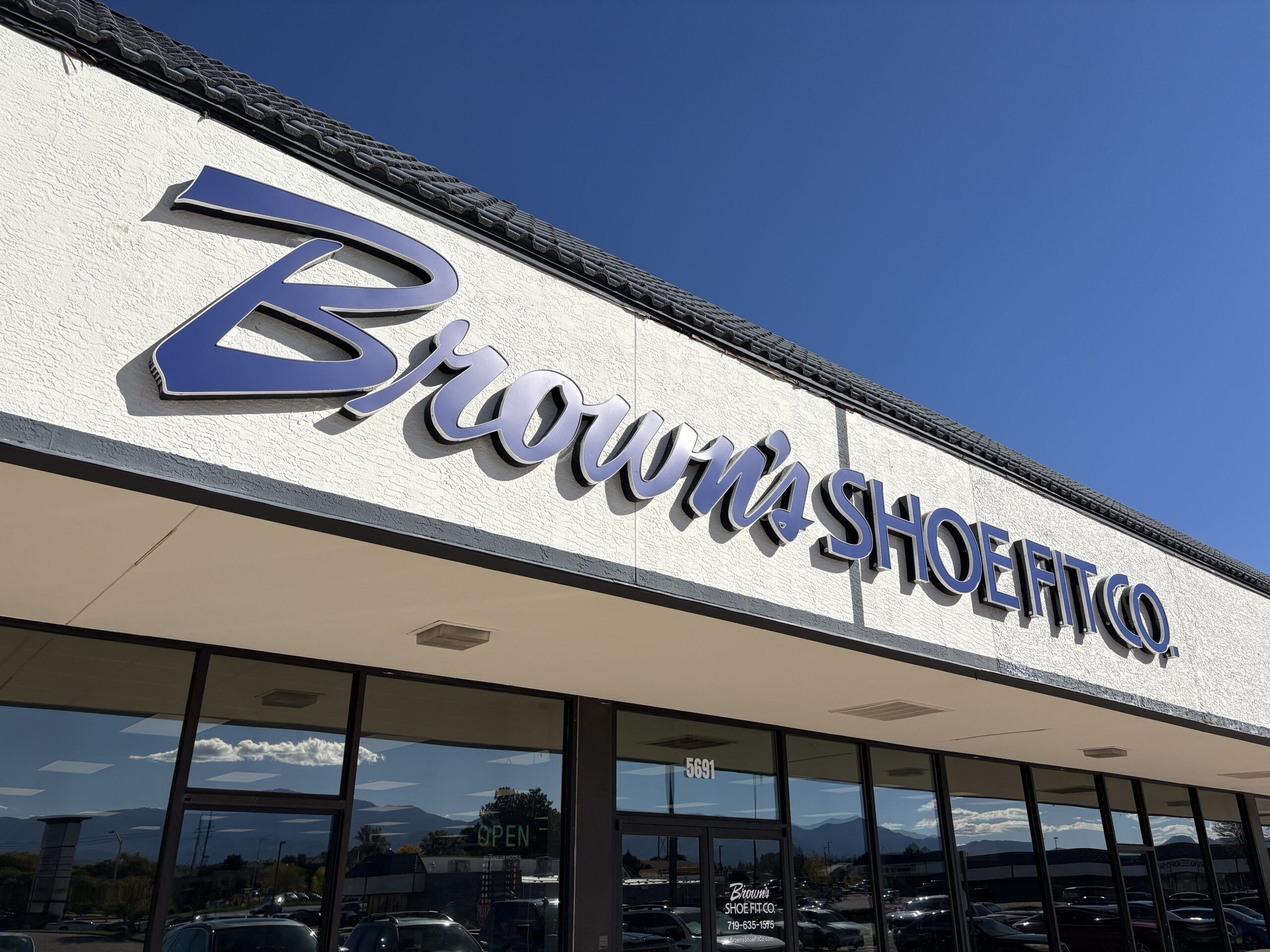
Brown’s Shoe Fit has a new location, and owner Ryan Prickett is excited to begin selling shoes with a view. The shop, now located at 5691 N. Academy Blvd., has a sweeping view of Pikes Peak, Cheyenne Mountain and the foothills.
At present, things are slower than he’d like, but Prickett hopes an advertising campaign and increased awareness of the new location will bring new and old customers his way. But nationally, apparel and footwear trade groups are warning that consumers may be less inclined to buy new shoes ahead of a busy holiday season as tariffs drive prices up.
At Brown’s Shoe Fit, one shoe manufacturer has even pulled some styles Prickett had hoped to sell next spring, directly blaming tariffs, he said. Others have told Prickett they’ll get through the rest of the year and “see where things are,” he said in an email on Friday.
“In general, I don’t feel the price increase has affected customers too much as I feel we are all used to higher prices everywhere,” he said. “I do feel some people will stretch out how long they will wear old shoes and maybe not buy a second or third pair right now.”
Prickett, like many other retailers, stocked up on supply as tariffs were threatened. Now that they’re in place, he’s been able to keep prices steady, even as manufacturers and other retailers are announcing price increases.

Prickett is optimistic. But some national footwear and apparel trade organizations are not.
In a survey by Emerson College, commissioned by the Footwear Distributors and Retailers of America (FDRA), 48% of holiday shoppers said they will not buy a new pair of shoes. Seventy percent of consumers believe tariffs are the primary cause or a major contributor to increasing prices, FDRA said in a separate news release.
One of President Donald Trump’s objectives with tariffs is to encourage consumers to buy American-made products and encourage companies to bring manufacturing back to the U.S. Many are dubious that this will happen. Footwear Distributors and Retailers of America President and CEO Matt Priest said the American economy is not well equipped to pivot back to making items like shoes and shirts.
“Most of that migration out of the U.S., from a footwear production perspective, happened generations ago. It happened for a variety of reasons, mainly because we matured out of it as an economy,” Priest said. “We’re an advanced economy, our workforce is advanced. … We still make more in the United States than we’ve ever made in our history, we just do it with innovation, technology and less labor.”
This pivot to a less labor-intensive but still very productive economy has shaped the landscape of the jobs market over time, he added. Footwear is still a labor-intense product, said Priest. Further, President Trump in May said he wants the U.S. to build tanks and technology, not T-Shirts and sneakers, according to Reuters.
And for the apparel industry, including footwear, tariffs remain high, despite requests for exemptions. In May, the FDRA asked Trump to exempt shoes and footwear from tariffs. Its letter warned that tariffs may cause hundreds of businesses to close and eliminate tens of thousands of jobs.
Trade with Vietnam, the second-largest U.S. trading partner for footwear and apparel, fell 27% in September, Reuters reported. Part of this was due to previous mass importing of goods, Priest said. Overall though, trade between the U.S. and Vietnam shrank by 1.5%, according to Reuters.
A tariff doesn’t always translate to a higher sticker price, explained Bill Craighead, the director of the University of Colorado Colorado Springs Economic Forum.
“The tariffs apply to the value at the border, so I wouldn’t expect the retail price changes to be as large in percentage terms as the tariff rates suggest. … Much of what we’re paying for are retailing and distribution services,” he said. “Still, with so many goods being subject to tariffs, while the individual price increases may not be dramatic, they will add up to a make a meaningful dent in consumer purchasing power.”
That a product subject to a 20% or even 40% tariff won’t increase in price by the same amount is good news for Prickett. Customer volume was somewhat lacking in September, he said. As he gets more settled in the new location, he is confident that customers will begin to return.
Things have been getting busier with each passing day, he said.
September is a slow month for retail, and shoes especially, he said. But he has more freedom in business opportunities because of his new location. One major shoe company did not want to sell shoes at Brown’s Shoe Fit when it was downtown because it was next door to Runners Roost, which already had that brand on the shelf.

His biggest segment is athletic shoes, and he needed to carry more, Prickett said. Now that he is several miles away, he can sell that brand.
So far, customers appreciate the new shop. But Prickett has not been totally immune from tariffs.
“I had received an email from Dansko, my top-selling brand, that they are canceling a couple of styles I had ordered for spring ‘26 because of the tariffs,” he said via email. “It is part of their made in Brazil collection. … A lot of brands did take a price increase this past summer.”
President Trump applied a 50% tariff to Brazil for the alleged mistreatment of former President Jair Bolsonaro. Bolsonaro was found guilty for plotting a coup in the South American nation. However in recent days, Brazillian officials hope the tariff rate will be reversed, according to the Guardian.
This hope is shared by Priest, who criticized the sweeping nature of the tariffs imposed by Trump.
“The policy has not been surgical enough to really accomplish, I think, what the president’s trying to accomplish,” said Priest. “Our hope is that the administration starts to wind down these punitive tariffs on American consumers on products that they don’t have a desire of making here in the long term.”
