Touring Colorado’s most famous and wondrous cliff dwelling

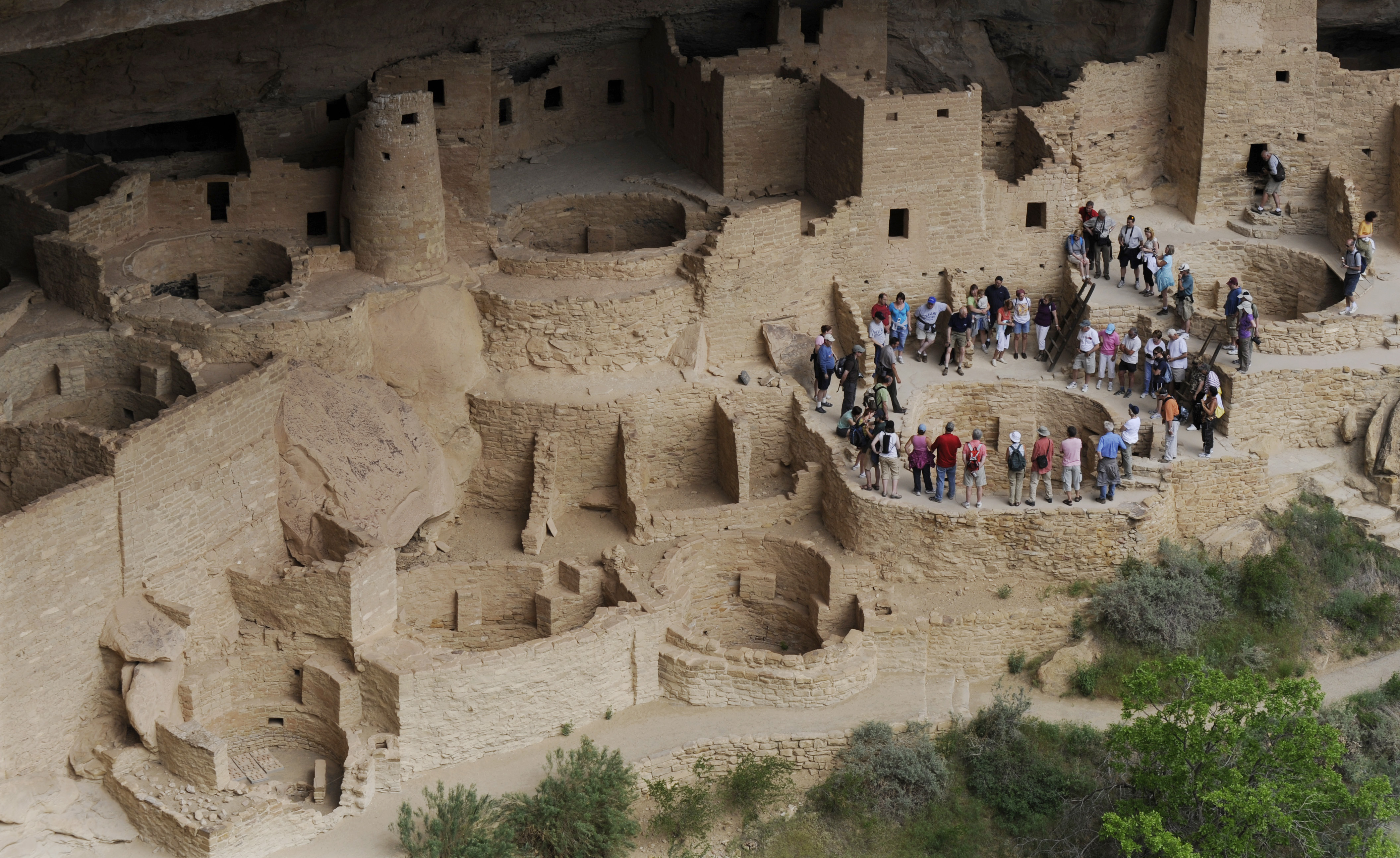
MONTEZUMA COUNTY • Why did the people leave? This was the question of tourists standing high on a platform overlooking round and square towers and circular gathering places built eight centuries ago under an arching, sandstone overhang.
The site here in the remote wilds of southwest Colorado is known as Cliff Palace. It’s the biggest of Mesa Verde National Park’s cliff dwellings, the biggest known in all of North America. About 150 rooms and 23 of those circular kivas have been counted — the stunning work of Ancestral Puebloans who hunted, gathered, farmed and used the surrounding rock to build these structures and many more across this arid region.
Why did they leave? This was the question I heard on a recent tour, before the government shutdown closed tours and other parts of Mesa Verde.
“I heard it was drought,” someone said here before our guided descent to Cliff Palace. Said another: “Apparently it was like they just packed up and left.”
This has been a common discussion since 1888, when two men herding cattle laid eyes on what they called “a magnificent city.” It appeared that December day through blowing snow, perched above the valley floor of pinyon and juniper.

One of those men was Richard Wetherill. He would go on to escort an explorer, Frederick Chapin, to the mesa top that bears his name today. After roping down, Chapin wrote of “a ruined fortress.” Later, in 1891, Wetherill escorted another to the scene — a Swedish scientist who similarly remarked on “an enchanted castle.”
This is all recounted in a park publication I picked up at the visitor center before my tour.
“These beautiful, carefully built ancient villages raise many broader questions — mostly still unanswerable — for modern observers,” the booklet reads.
The question continues: Why did they leave?
“The tree ring records show a long drought at the end of the 1200s, when crops would have shriveled and springs would have dried up,” the booklet notes, adding: “Some archaeologists find evidence for increasing social conflict, perhaps as environmental pressures grew.”
Maybe, said the narrator of a short film I watched at the museum not far from Cliff Palace.
Robert Mirabal of Taos Pueblo continued: “Our own traditions teach that our ancestors learned what they needed here, and it was time for the next step in their journey.”
It was time for our tour.
“When we enter here, we enter with an open heart and open mind,” the ranger said before leading us down. “We treat this space like we would someone’s home.”
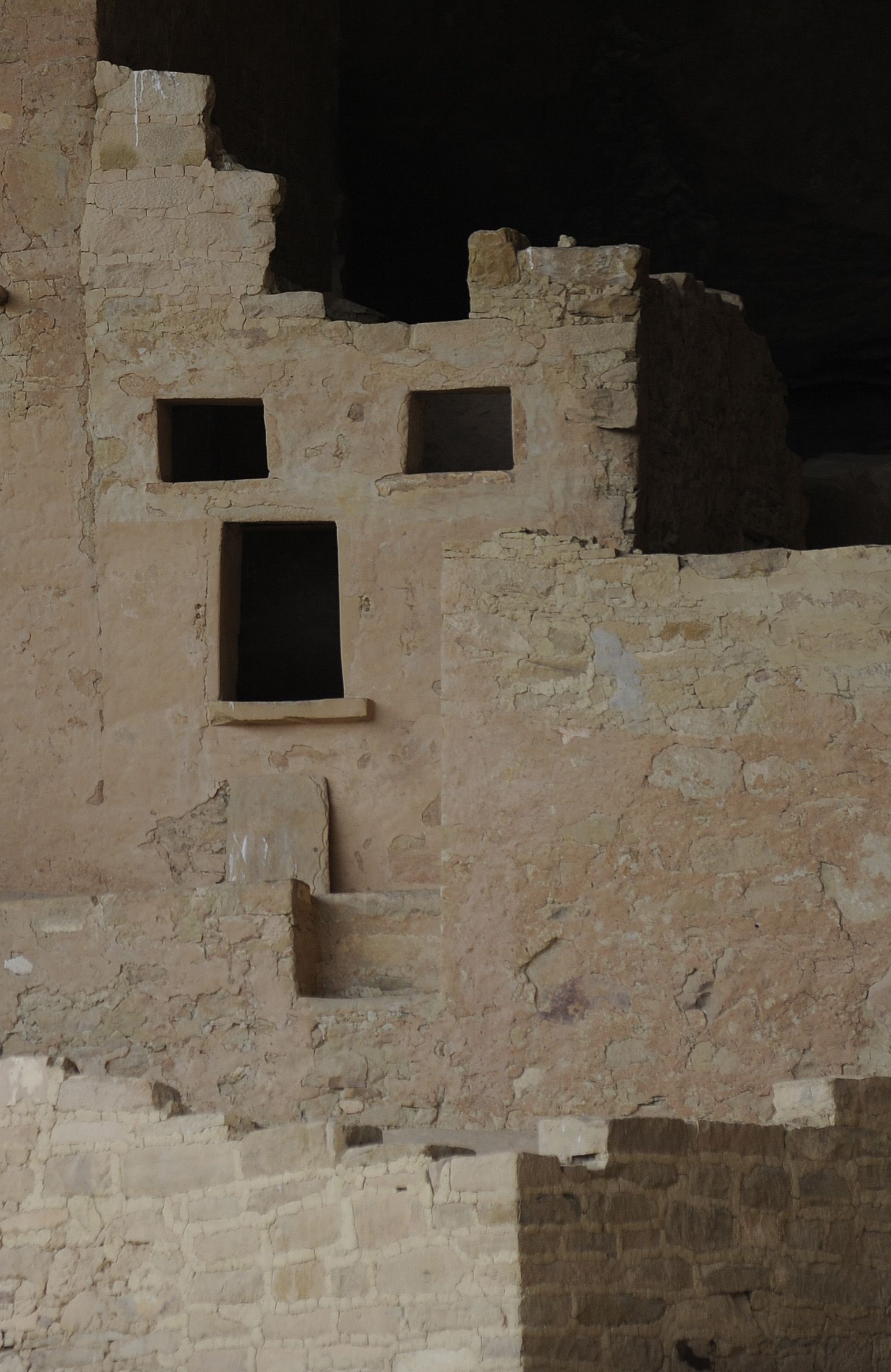
People know it to still be that — a home. People like T.J. Atsye of Laguna Pueblo, who is quoted on a panel posted at the Cliff Palace overlook:
“If you stop for a minute and listen, you can hear the children laughing and the women talking. You can hear the dogs barking and the turkeys gobbling. You hear and feel the beat of the drums and the singing. You can smell the cooking fires. You can feel their presence, their warmth, their sense of community.”
I was reminded of a woman I met back in 2021, during a tour of the Ute Mountain Ute Tribal Park. This is the larger, less accessible mosaic of more dwellings and ancient sites west of Mesa Verde National Park, overseen by people living on the reservation.
“It’s like you’re right there with them,” Lehi Yazzie had told me at the Ute Mountain Ute outpost.
The Utes were well aware of the dwellings before Wetherill spotted Cliff Palace in 1888. The people forced to the reservation decades before were said to have feared and respected the dwellings for the spirits they knew resided in them.
Others were less reverent. As word of Cliff Palace spread across the nation — helped also by pioneer photographer William Henry Jackson — the years gave way to looting and damage. President Theodore Roosevelt aimed to “preserve the works of man” by signing the law that created Mesa Verde National Park in 1906.
The government claimed reservation land to form the park, and then claimed more upon finding some desired sites were outside boundaries.
“All of our national parks are built on stolen land, but Mesa Verde, that land was stolen twice,” Colorado’s State Archaeologist Holly Norton previously told me.
I was thinking about this as I stepped toward Cliff Palace. I was listening to the ranger tell of the people here emerging from Earth and meeting a spirit who implored them to “go on and find your homeland,” beginning their story of migration.
The story should be told by descendants, park officials have recognized in recent years. For almost 100 years now, “the museum told the story of Ancestral Pueblo culture through the lens of 20th-century archaeology, leaving out perspectives of Indigenous communities,” reads a display near posted plans for new exhibits, to be made in consultation with 26 pueblos and tribes.
A few years ago, the national park started bringing in interns from those communities across the Four Corners region — communities established along the Ancestral Puebloans’ migration path. I came by one of those interns guiding a group to Cliff Palace. The young Hopi man was quoted on another museum display: “For too long the story told here was of a people who disappeared. We are here to tell you we never left. We are still here.”
Some may say drought, “and some may say that their story was always of migration, and that Mesa Verde was just a stop on that migration journey,” our guide told us. “That this place taught them lessons they needed, and it was time to leave and let the land heal.”
It was time for us to leave, not knowing we’d be some of the last allowed in before the government shutdown closures. Before climbing the ladder back up, the ranger called some kids over to see something.
“Do you recognize what that is?” he asked. They did — corn on the cob left by the people who grew it.
“That’s an original, 800-year-old corn on the cob,” the ranger told the kids. Then he made a request: “Do you think you can keep making observations of the world around you?”

Touring Colorado’s most famous and wondrous cliff dwelling

MONTEZUMA COUNTY • Why did the people leave? This was the question of tourists standing high on a platform overlooking round and square towers and circular gathering places built eight centuries ago under an arching, sandstone overhang.
The site here in the remote wilds of southwest Colorado is known as Cliff Palace. It’s the biggest of Mesa Verde National Park’s cliff dwellings, the biggest known in all of North America. About 150 rooms and 23 of those circular kivas have been counted — the stunning work of Ancestral Puebloans who hunted, gathered, farmed and used the surrounding rock to build these structures and many more across this arid region.
Why did they leave? This was the question I heard on a recent tour, days before the government shutdown that closed tours and other parts of Mesa Verde.
“I heard it was drought,” someone said here before our guided descent to Cliff Palace. Said another: “Apparently it was like they just packed up and left.”
This has been a common discussion since 1888, when two men herding cattle laid eyes on what they called “a magnificent city.” It appeared that December day through blowing snow, perched above the valley floor of pinyon and juniper.
One of those men was Richard Wetherill. He would go on to escort an explorer, Frederick Chapin, to the mesa top that bears his name today. After roping down, Chapin wrote of “a ruined fortress.” Later, in 1891, Wetherill escorted another to the scene — a Swedish scientist who similarly remarked on “an enchanted castle.”
This is all recounted in a park publication I picked up at the visitor center before my tour.
“These beautiful, carefully built ancient villages raise many broader questions — mostly still unanswerable — for modern observers,” the booklet reads.
The question continues: Why did they leave?
“The tree ring records show a long drought at the end of the 1200s, when crops would have shriveled and springs would have dried up,” the booklet notes, adding: “Some archaeologists find evidence for increasing social conflict, perhaps as environmental pressures grew.”
Maybe, said the narrator of a short film I watched at the museum not far from Cliff Palace.
Robert Mirabal of Taos Pueblo continued: “Our own traditions teach that our ancestors learned what they needed here, and it was time for the next step in their journey.”
It was time for our tour.
“When we enter here, we enter with an open heart and open mind,” the ranger said before leading us down. “We treat this space like we would someone’s home.”
People know it to still be that — a home. People like T.J. Atsye of Laguna Pueblo, who is quoted on a panel posted at the Cliff Palace overlook:
“If you stop for a minute and listen, you can hear the children laughing and the women talking. You can hear the dogs barking and the turkeys gobbling. You hear and feel the beat of the drums and the singing. You can smell the cooking fires. You can feel their presence, their warmth, their sense of community.”
I was reminded of a woman I met back in 2021, during a tour of the Ute Mountain Ute Tribal Park. This is the larger, less accessible mosaic of more dwellings and ancient sites west of Mesa Verde National Park, overseen by people living on the reservation.
“It’s like you’re right there with them,” Lehi Yazzie had told me at the Ute Mountain Ute outpost.
The Utes were well aware of the dwellings before Wetherill spotted Cliff Palace in 1888. The people forced to the reservation decades before are said to have feared and respected the dwellings for the spirits they knew resided in them.
Others were less reverent. As word of Cliff Palace spread across the nation — helped also by pioneer photographer William Henry Jackson — the years gave way to looting and damage. President Theodore Roosevelt aimed to “preserve the works of man” by signing the law that created Mesa Verde National Park in 1906.
The government claimed reservation land to form the park, and then claimed more upon finding some desired sites were outside boundaries.
“All of our national parks are built on stolen land, but Mesa Verde, that land was stolen twice,” Colorado’s State Archaeologist Holly Norton previously told me.
I was thinking about this as I stepped toward Cliff Palace. I was listening to the ranger tell of the people here emerging from Earth and meeting a spirit who implored them to “go on and find your homeland,” beginning their story of migration.
The story should be told by descendants, park officials have recognized in recent years. For almost 100 years now, “the museum told the story of Ancestral Pueblo culture through the lens of 20th-century archaeology, leaving out perspectives of Indigenous communities,” reads a display near posted plans for new exhibits, to be made in consultation with 26 pueblos and tribes.
A few years ago, the national park started bringing in interns from those communities across the Four Corners region — communities established along the Ancestral Puebloans’ migration path. I came by one of those interns guiding a group to Cliff Palace. The young Hopi man was quoted on another museum display: “For too long the story told here was of a people who disappeared. We are here to tell you we never left. We are still here.”
Some may say drought, “and some may say that their story was always of migration, and that Mesa Verde was just a stop on that migration journey,” our guide told us. “That this place taught them lessons they needed, and it was time to leave and let the land heal.”
It was time for us to leave, not knowing we’d be some of the last allowed in before the government shutdown closures. Before climbing the ladder back up, the ranger called some kids over to see something.
“Do you recognize what that is?” he asked. They did — corn on the cob left by the people who grew it.
“That’s an original, 800-year-old corn on the cob,” the ranger told the kids. Then he made a request: “Do you think you can keep making observations of the world around you?”