The origin of Americans | From the Editor
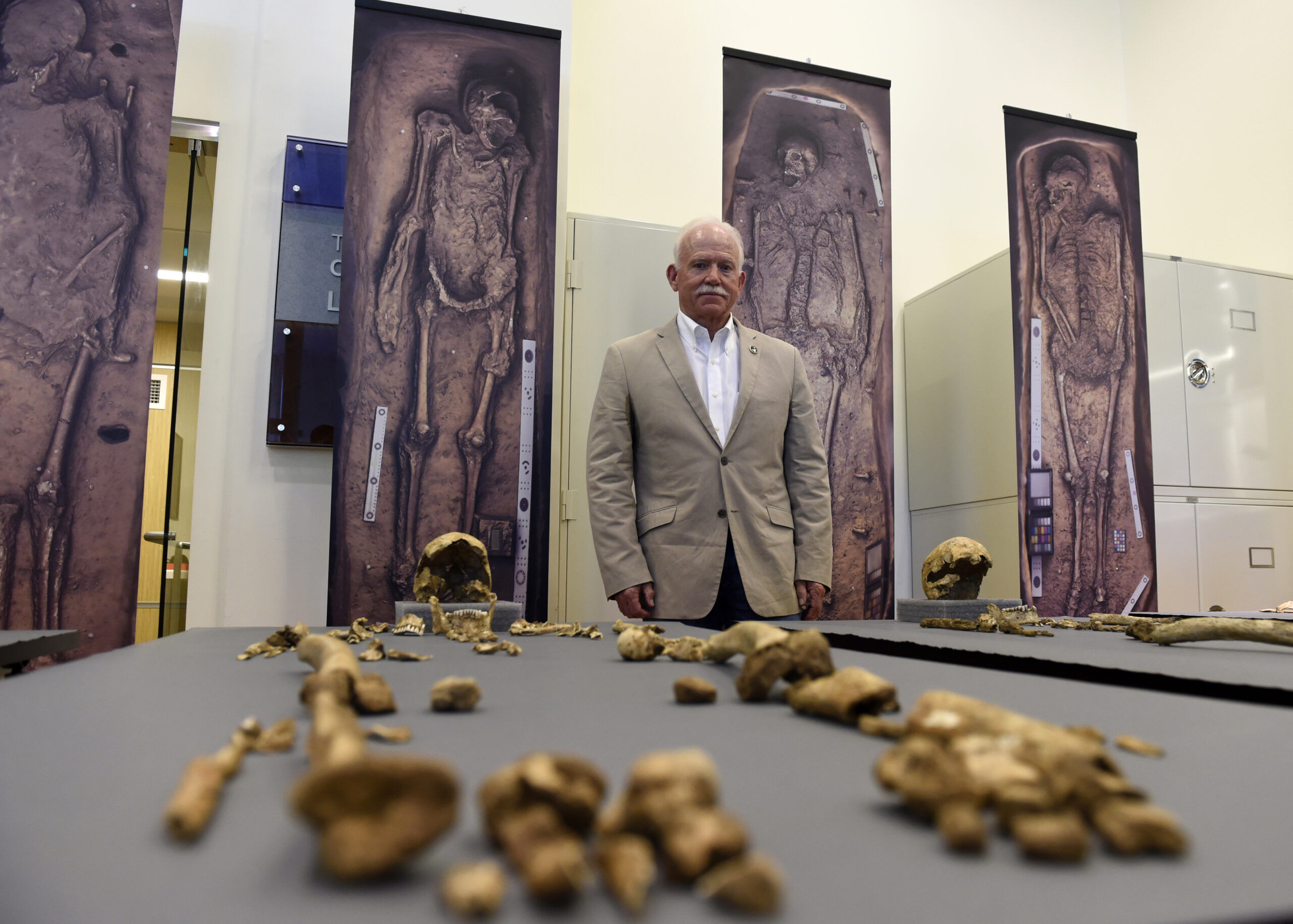
When the French and Indian War began in 1764, English soldiers and American colonists were brought together on a large scale for the first time. During the 157 preceding years, the residents of the New World considered themselves English in all aspects.
The arriving English, particularly the officers, did not. They considered the Americans stubborn, uncouth and not receptive to orders unless the purpose was explained.
There was clearly a cultural divide. So when did it start?
I would argue that it began that day in 1607 when 104 Englishmen first set foot at the location where they would start the Jamestown colony. Conditions of survival required social reforms that could not have happened in England.
To illustrate the point, I’ll use William Ward, my first ancestor in America.
Ward was a tailor in London who arrived on the Jamestown colony’s first resupply mission in 1608.
A year later, Ward was listed as a soldier on John Smith’s famous foray during which he (allegedly) was saved by Pocahontas. So why is that significant?
In England, a tailor was among the tradesman class. As such, he would not be under a noble. Since nobles were in charge of collecting the soldiery for the monarch, Ward would not have been a soldier in English society.
But that’s not the only social barrier he would cross.
In 1619, a place called Ward’s Plantation shows up. In the language of the day, a plantation was simply a farm. The grand, antebellum estates to which the plantation moniker is normally assigned would not exist for well over 100 years. Probably not coincidentally, Ward’s Plantation showed up along the route of the Smith expedition. This indicates that Ward now owned land.
A tailor would not have owned land in 1619 England.
In 1622, the Algonquin chief Opechancanough organized a massive attack upon the settlers during which more than half of the colony’s population was killed. Among the dead at Ward’s Plantation was a woman named “Goodwife Redhead.” This is certainly not an English name.
So someone at the farm had likely married a native woman. Another social barrier crossed.
When Smith arrived in Jamestown, he found the colony populated by the younger sons of nobles who were trying to make their fortune since in English society, the eldest inherited the land. These nobles were good at being nobles but little else.
Smith lamented at their lack of any necessary skill. He wrote to London that he needed “one hundred good labourers (in place of) a thousand such Gallants as were sent me, that would doe nothing but complaine, curse, and despaire.”
Laborers being more valuable than nobles crosses a huge barrier.
Finally, since correspondence between the colony and London took months, King James gave approval for the establishment of the House of Burgesses in 1619. The colonists were now self-governing.
So over the course of just over a decade, the Virginia colonists were socially mobile, owned land, married natives and were self-governing.
Sounds pretty American to me.