






Government shutdown likely to hurt more in Colorado Springs
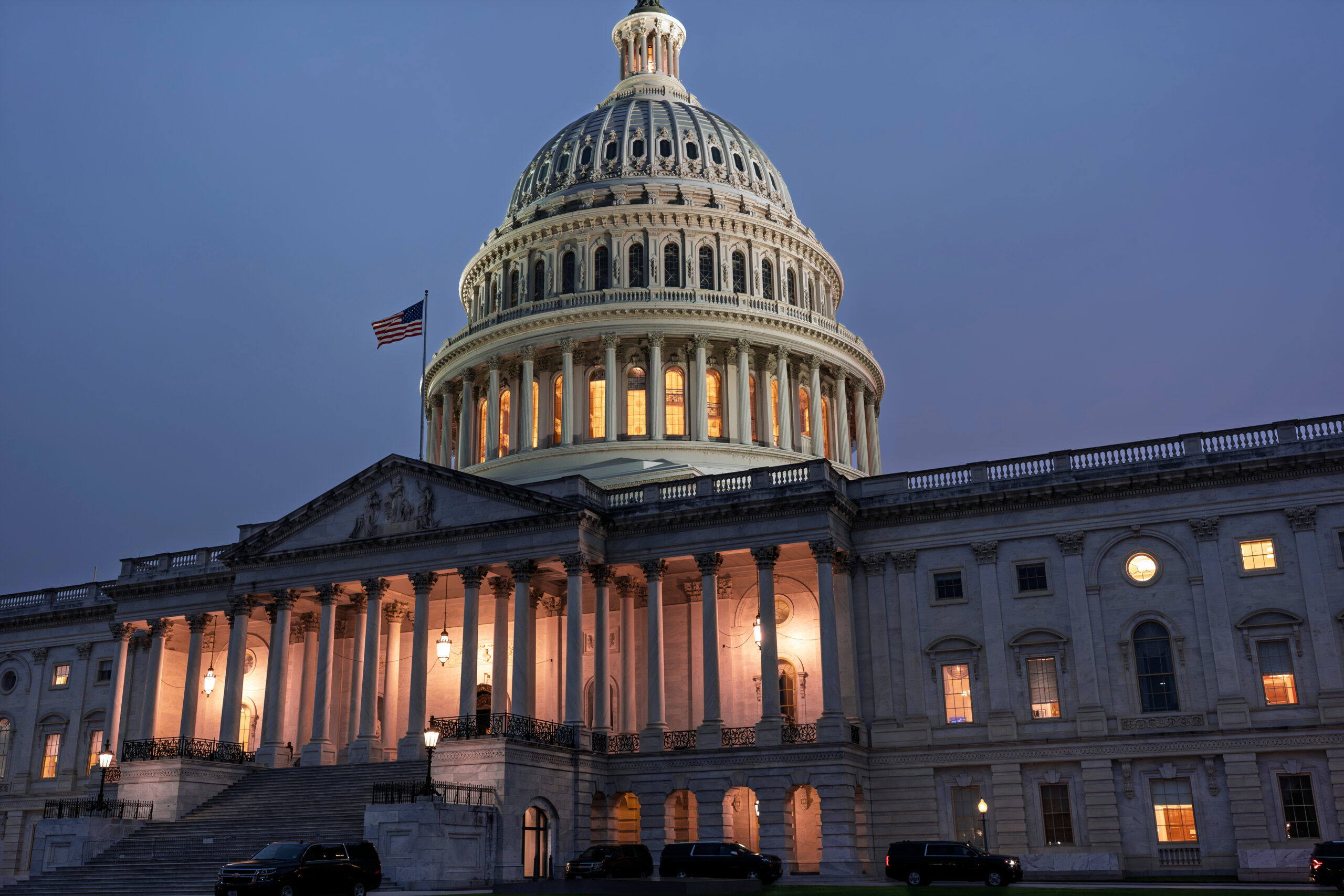
Most of the tens of thousands of federal employees and active-duty military members in Colorado Springs will see their pay delayed during an extended government shutdown, which could result in a more intense short-term economic impact than for other cities.
“One out of every 8 paychecks in the region could be delayed,” said Bill Craighead, program director for the University of Colorado Colorado Springs Economic Forum, noting that’s more of an impact than many communities will face nationwide because of the high number of federal employees.
While all the workers will receive back pay, delays in pay or the prospect of a delay in pay could lead those workers to cut back on short-term spending, like a fancy dinner or new furniture, he said, which could be felt at local businesses.
The next scheduled paycheck for active-duty military is Oct. 15.
While most federal employees, regardless of their essential status, aren’t paid during a shutdown, a 2019 law guarantees automatic back pay once the shutdown concludes.
Because there will be back pay, Craighead does not expect large impacts for the longer term on the local economy — which has strong jobs numbers and a low unemployment rate.
The Colorado Springs metro area was home to about 13,800 federal employees before the Trump administration’s deferred resignation and retirement programs started earlier this year. Those employees are included in the count because they were paid through Tuesday, Craighead said. The number also includes postal workers who will not be impacted.
Here’s a further look at impacts:
Military
More than 38,000 people in the armed forces also live in the region, according to data from the U.S. Census Bureau. Those in the active-duty military and the reserves will continue to report to work and may be asked to fill in for civilian workers, according to recently issued guidance by the Department of Defense.
The bases in town did not provide estimates of the number of civilians that have been furloughed to The Gazette. The DOD directed bases to furlough civilians on a position-by-position basis.
Mayor Yemi Mobolade said he is reaching out to local military generals to understand how the city can help but he expects the Pikes Peak Military Affairs Council will take a leading role in assisting families if necessary.
“I’ve heard everything from ‘military members may not feel the immediate impact but as those paychecks are delayed, they might see potential future problems with paying rent or mortgages,’ to ‘we don’t know the impact of the civilian employees who are going to be furloughed’… There is a lot we don’t know but our community stands ready to help,” Mobolade said.
Insurance debate
Amid the local and national impacts, the core of the debate that shut down the government is also a critical pocketbook issue that could impact insurance premiums, Craighead said.
Democrats want to see subsidies for insurance sold through state marketplaces extended and Medicaid cuts rolled back.
In Colorado about 300,000 people rely on the state marketplace known as Connect for Health and could face significant price increases, Craighead said.
The Division of Insurance estimates 110,000 people will lose coverage in the individual market when prices jump in 2026, said Joe Hanel a spokesman for the Colorado Health Institute. The state agency is estimating the prices will double for the average customer who is receiving a subsidy, he said.
“That’s in line with the projections we have seen from around the country,” he said.
Instead of paying more, the healthiest people are likely to drop coverage and the increase in uninsured people will lead to hospitals and clinics providing uncompensated care that is then passed on as higher prices for everyone, including those who purchase insurance through their employers, Craighead explained.
“This does have real consequences,” Craighead said.
The Kaiser Family Foundation estimated that the changes to the Affordable Care Act and Medicaid together could result in 190,000 people in Colorado losing health insurance, or about 3%.
Congressman Jason Crow, D-Aurora, said the cuts put 10 hospitals in Colorado at severe risk of closure.
While he is worried about how the shutdown will ripple across Colorado’s defense economy, Crow said the fight over health care is worth it.
“It is just so fundamental for people to be healthy and be able to provide health care for their children and their parents. If you can’t do that there is nothing else that people worry about,” said Crow, who represents the 6th Congressional District that includes Aurora and the eastern and southern parts of the metro Denver area.
The length of the shutdown hinges on President Donald Trump and Republicans opening negotiations, he said.
A spokeswoman for Rep. Jeff Crank, a Republican who represents the 5th Congressional District that includes Colorado Springs, said in an emailed statement that any debate over health care needs to happen during a fully funded government so troop pay isn’t impacted.
National parks
Rocky Mountain National Park and the other three national parks in the state will remain open on a limited basis, with park roads, lookouts, trails and other open-air attractions remaining available.
Parks staff will be kept on to protect “life, property and public health.” But they are prohibited from conducting park operations, according to official guidance from the Department of the Interior.
Gov. Jared Polis previously called for keeping Rocky Mountain National Park open because it is such an important tourism destination and offered to use state money to help with the costs.
The National Park system estimates that last year 4.2 million park visitors spent about $588 million in local gateway regions around the park.
The National Parks Conservation Association warned that keeping parks open with just skeleton crews could lead to the same damage the parks saw in 2019, when visitors damaged petroglyphs at Big Bend National Park and cut down 100-year old Joshua trees.
Social programs
When it comes to social programs, retirees will continue to see their Social Security checks during a shutdown. Medicare benefits will continue as normal, but some services may lag. Food benefits for nearly 42 million people through the Supplemental Nutrition Assistance Program will not be immediately disrupted, but payments could be affected later in the year, depending on how long the shutdown lasts.
Essential services
The Postal Service will also continue normal operations.
Other essential services, including air traffic control, law enforcement, and power grid maintenance, will continue their operations. Air traffic could be affected, however, if controllers stop coming to work because they aren’t being paid for the duration of the shutdown, as occurred in the 2018-2019 shutdown.
Department of Veterans Affairs
The VA expects to cease some functions, including processing applications for benefits and placing headstones and maintaining cemeteries, according to its website. It will also cease public affairs functions, such as communicating with veterans via social media or responding to the media.
The VA also plans to close its call centers for GI Bill and national cemetery application assistance.
The agency will keep VA medical centers and clinics open and benefit checks will keep going out. Burials will also continue at national cemeteries.
The agency’s suicide prevention programs, homelessness services and caregiver support will also continue.
Help for local residents
Residents can call 211 to reach the Pikes Peak United Way, who can help connect them with food pantries, utility assistance or other social services.
“We will work with our partners to fill the gaps that will undoubtedly affect some of the most vulnerable in our community,” said Cami Bremer, president and CEO of Pikes Peak United Way in a statement.
The Washington Examiner and Gazette reporter Brennen Kauffman contributed to this story.