






Residential addiction recovery center proposed in southeast Colorado Springs
Courtesy of the city of Colorado Springs
Hoping to bring more options for long-term behavioral health care services to residents in Colorado Springs and beyond, a nationwide substance abuse and mental health treatment services provider is seeking approval to open the Colorado Springs Recovery Center on the city’s southeast side.
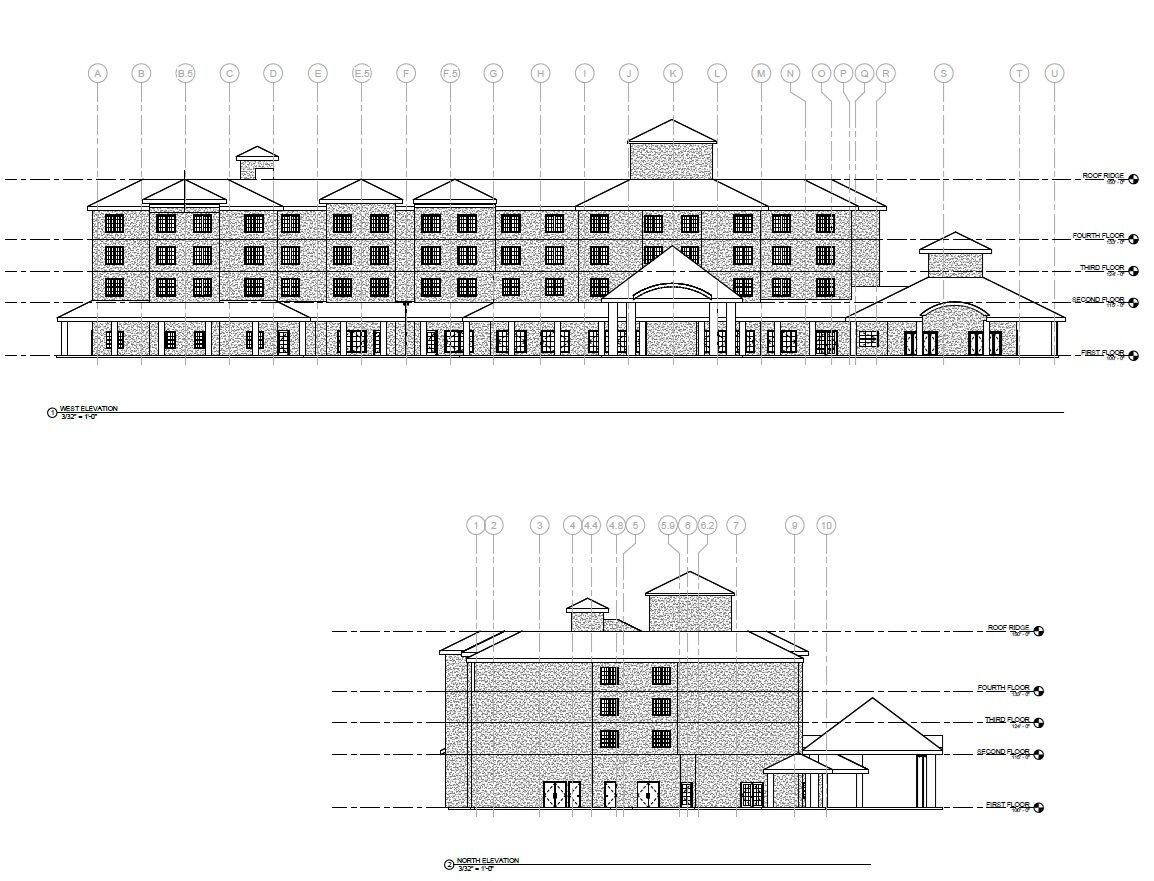
The center is proposed to be located at 1855 Aeroplaza Drive, southwest of East Fountain Boulevard and Colorado 21, inside the building that currently operates as the Holiday Inn Colorado Springs Airport hotel, documents submitted to city planners show.
Medicaid providers in Colorado assessing effects of impending changes
The Colorado Springs Recovery Center will provide a full continuum of care for people living with substance abuse disorders and co-occurring mental health conditions, according to a project statement. It will be operated by Queens, N.Y.-based Aspen BHC, promoting patients’ recovery and enabling their long-term stability and reintegration into the community.
“Colorado in general is facing a significant shortage of behavioral health care services. … We’re treating an underserved population and providing a clinical environment that provides services long-term. That’s the missing piece,” Aspen BHC Chief Executive Officer Christopher Foster said.
The facility will offer clinical managed residential services and outpatient therapeutic services, overseen and managed by a medical director and regional administrator. Psychiatrists, mid-level practitioners, master level clinicians, licensed therapists, peer recovery coaches and other qualified behavioral health specialists will comprise the staff, the project statement said.
Qualifying patients who are 18 years and older can receive treatment at Colorado Springs Recovery Center, regardless of their socioeconomic status, Foster said.
The recovery center will serve patients long-term, over many months, to better guarantee their successful recovery, he added. Foster envisions creating an ecosystem of integrated care, in which patients begin with detox, then move into short- then long-term residential programs, then outpatient programs.
“Integrated care is really the biggest piece, which is a missing link in our system. If we’re able to offer this one-stop shop, you come in and we can treat psychiatric issues, mental health, substance use. We’ll have medical providers you can see on an outpatient basis while you’re an inpatient, and they can work on the person as a whole,” Foster said.
Step Springs nears completion of residential addiction recovery center for homeless men
Successful residential addiction recovery program coming to Colorado Springs
The four-story, approximately 20,000-square-foot building is planned to include 130 beds, administrative offices, clinical consultation rooms, group therapy spaces, a kitchen, dining areas and outdoor recreational areas, a site plan shows. No major site improvements are planned, Foster said.
Aspen BHC has entered into a lease with the property owner, which “includes a purchase option that is likely to be exercised in the very near future,” Foster said.
Foster intends to contract with Medicaid — a joint state and federal health insurance program for low-income individuals and families, pregnant women, children and disabled people — and other affiliated organizations to treat patients from all over Colorado.
Medicaid is poised to undergo significant changes following President Donald Trump’s signing of H.R. 1 on Independence Day, or the “One Big Beautiful Bill Act.” Foster said in an email Wednesday he is “closely watching the potential implications” of the law.
The Trump administration has said H.R. 1 will strengthen health care “by eliminating waste, fraud and abuse, and blocking illegal immigrants from receiving Medicaid.”
Nothing has indicated the bill will directly impact Aspen BHC’s services, but “any broad changes to Medicaid, particularly reductions in funding or eligibility, could have serious ripple effects across our industry,” Foster said in his email.
His biggest concerns are over the bill’s work-reporting requirements and increased administrative reviews. Under the new law, able-bodied adult Medicaid recipients must work at least 80 hours a month, for example.
“It goes without saying that people will lose their coverage as measures are introduced to enhance Medicaid program integrity. The population we treat often cannot hold steady employment due to the severity of their behavioral health and substance use disorders. That’s where we come in,” Foster said.
Fountain Valley Senior Center under financial strain, appeals for help
“Ultimately, we hope that any Medicaid reforms, especially those in the ‘One Big Beautiful Bill,’ recognize the essential role that behavioral health providers play in reducing incarceration and homelessness, increasing life expectancy, improving public safety and helping people rebuild their lives.”
As Colorado Springs Recovery Center benefits patients, it will also benefit the broader community by reducing strain on local hospitals, local clinics, crisis intervention and respite services, Foster said.
“We’re giving people the tools and the resources they need to find their success … and getting them to where they need to be,” he said.
