






Amid Colorado Springs budget shortfall, marijuana industry pushes back on departing from ‘will of the voters’
Jerilee Bennett, the Gazette
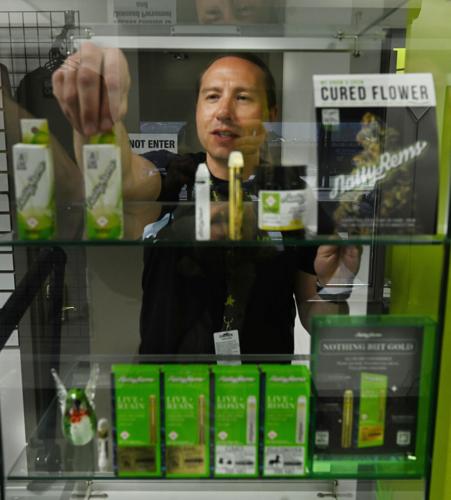
As the city of Colorado Springs braces for a $11.5 million budget shortfall this year, it could use marijuana revenues to ease a small portion of the pain, but leaning too heavily on the money could create a perception problem.
The city has not yet taken formal steps to cut spending, such as instituting a hiring freeze or halting projects, although departments are holding positions open to save money, the city said, in a written statement.
Plans for more specific cuts are still in the works.
Meanwhile, Mayor Yemi Mobolade promoted the idea in an opinion column published in The Gazette over the weekend of using recreational marijuana revenue to address the budget gap for the city police and fire departments. Even with the new tax revenues, those departments will still have to see spending reductions because of the budget shortfall, the city said.
Colorado Springs City Council, Mayor Mobolade at odds over marijuana tax revenues
Mobolade said he envisioned the money funding 911 dispatchers, technology for public safety response and the Fire Department’s community and public health programs.
Allocating all the money to public safety would be allowable, even though voters approved a ballot measure in November setting aside the revenues for public safety, mental health care and post-traumatic stress disorder treatment for veterans, city spokesman Joe Hollman said in an email.
Based on the ballot language, the city probably could spend all the money in one category, but it could create a perception problem, said Terrance Carroll, a former state House speaker who is now Denver-based lawyer.
“I suspect the voters thought the City Council would put some money in every category,” he said.
GUEST OPINION: Why I vetoed Ordinance No. 25-59: Protecting public safety
If advocates want to ensure that vision is followed, it is important to get involved before public safety becomes dependent on the funds and it could be harder to change the flow of money, he said.
Jason Warf, executive director of the Southern Colorado Cannabis Council, said putting all the money into one category would feel like a betrayal.
“I think first and foremost with any ballot initiative we have to honor the will of the voters,” Warf said.
Based on the city’s contentious relationship with the marijuana industry, there is already a sense of “hyper-alertness,” he said.
Ideally the city would convene community leaders from the police and fire departments, veterans and marijuana industry representatives to develop a plan to spread the money across all three categories, said Liz Zukowski, a spokeswoman for retailer Native Roots.
“Allocating all the revenue only to public safety does a disservice to voters and community needs,” she said.
While the city wrangles with a budget shortfall, its approach differs from that of the past administration of Mayor John Suthers when faced with a potential budget shortfall during the pandemic.
Manitou Springs adjusts budget for $3 million in estimated marijuana sales tax loss
In 2020, the city preemptively cut $20 million from its budget in April by deferring construction projects and equipment upgrades, banning employee travel, and instituting a hiring freeze. The freeze dropped the number of city employees by 102, The Gazette reported at the time.
This year, the city’s general fund budget, which covers core services such as police and fire protection, was projected to reach $438 million, a 2.4% increase from 2024. A key 2% sales and use tax for the general fund so far has seen only 0.47% growth. But most of the critical summer tourism months are ahead, and the revenue for June has yet to be reported.
Warf warns that while recreational or adult-use marijuana is a growth area for the city as a new market that began in April, it has been legal statewide since 2012 and sales across the state are on a downward trend as other states legalize.
“I don’t think we are quite to the bottom yet,” he said.
Recreational marijuana is legal in 24 states and the District of Columbia, and 40 states allow medical marijuana, according to the National Conference of State Legislatures.
Contact the writer at mary.shinn@gazettedev.gazette.com or 719-429-9264.
