






New homelessness response plan for Colorado Springs includes 60 actions
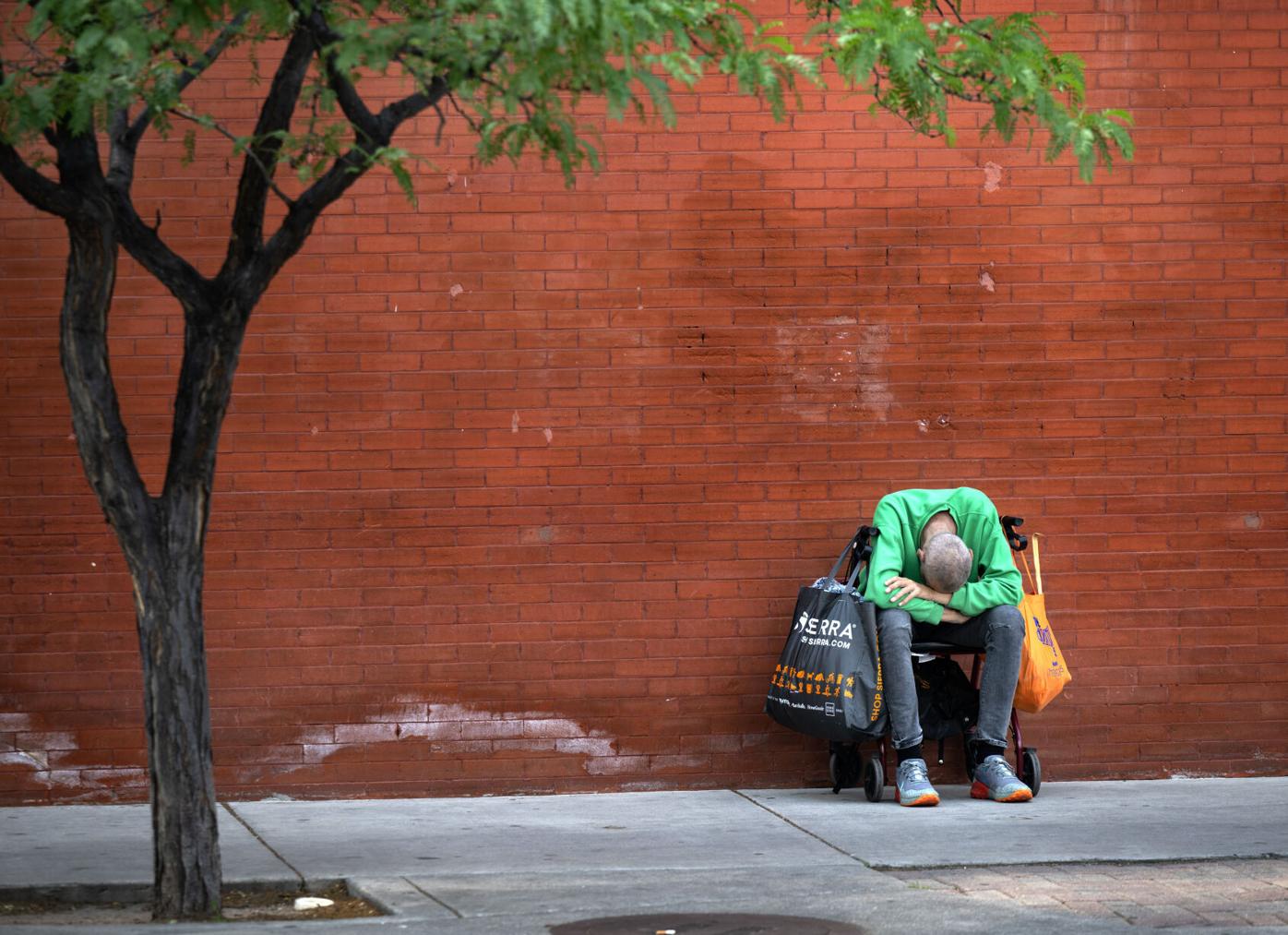
christian murdock, gazette file
Getting a clearer idea of the scope of homelessness in Colorado Springs is one of the next steps that will come out of the new Homelessness Response Action Plan that Mayor Yemi Mobolade released Thursday.
Whether he’s speaking with residents, business owners or service providers, “the concern is clear,” the mayor said while mentioning highlights of the document at his monthly press briefing.
The issue of homelessness is complex, Mobolade said, and “weighs heavily on our community.”
The six-pronged plan seeks to balance compassion with public safety, he said, and builds on past community efforts that have expanded facilities and programs.
'Sneak peek' at Colorado Springs' new Homelessness Response Plan reveals additions, changes
Areas of focus are enforcement and cleanup, street outreach and shelter, homelessness prevention, employment for homeless people, housing and supportive services, and collaboration and public communications.
While city staff reviewed those areas at a public meeting in August, 60 actions tied to 14 short- and long-term objectives were unveiled Thursday under the five-year plan.
Regarding data, Mobolade said the estimated cost to provide services for a homeless person in Colorado Springs is an old figure from 2019 of $55,000 annually, which he intends to update. He said he also wants to provide more costs beyond the $500,000 the city allocates in its general operating budget annually to a few organizations that operate emergency shelters.
Also, the annual Point in Time census, a Housing and Urban Development-mandated count of the homeless population on a given night in January, does not yield a complete conclusion, Mobolade said.
Accessing other metrics, including a monthly account of how many people are using homeless services in the community and how many have exited the system, is a priority, he said.
“We need a real comprehensive look at the true need,” Mobolade said. “I don’t believe the Point in Time number reflects our lived experiences.”
Compassion vs. frustration: Rising angst over problems with homeless population
This year’s survey showed total homelessness decreased by 13% over 2023 to 1,146 people, which reflected a level last seen in 2015.
A more realistic picture requires stepped-up personal connection with people on the streets, said Aimee Cox, the city’s new chief housing and homelessness officer.
Some of the steps outlined in the new plan have been enacted in recent weeks, she said, including building one-on-one relationships with homeless people who hang out in the downtown core and working to return them to stable housing.
The Homeless Outreach Team of the Colorado Springs Police Department has received funding for two more officers — for a total of nine — who do enforcement and outreach in encampments and other known hangouts.
Officers enforce city ordinances against illegal camping and other laws, issue tickets to violators, serve outstanding warrants and also help people connect to housing, addiction recovery and other services, said Sgt. Olav Chaney, who heads the team.
“Many folks we deal with are not ready for help, but we always offer it to them,” he said.
Authorities don’t always strike out.
“This morning, we offered to take a guy to Serenity Connection for addiction recovery. He didn’t want to go right away but took a card and a phone number,” Chaney said.
Since the program started earlier this year, he said the team has helped a dozen people use the organization, which supports people ready to get off drugs or alcohol.
A second city crew to clean up trash left behind from illegal encampments also had been added to the budget.
Another “urgent need,” Cox said, is more sheltering in “extreme cold weather,” when the temperature drops to 19 degrees F or below. The city’s main shelter for single men and women, Springs Rescue Mission, can accommodate at least 450 people and up to hundreds more, but some homeless people say they don’t like the shelter or its rules and want other choices.
The nonprofit organization Hope COS uses local churches as pop-up shelters and has less restrictive conditions but doesn’t receive city funding and has had to cut back on services.
“We are in conversations,” Cox said.
Study: Homeless sweeps don't reduce crime, may even increase violence
Mobolade said tackling homelessness requires a multi-faceted approach with “public-private partnerships to really move the needle.”
To that end, a regional team is forming to enact a coordinated response to addressing homelessness, he said.
Other strategies listed in the plan include expanding supportive housing, recruiting more landlords to accept subsidized housing vouchers and working with them to keep people housed and prevent homelessness, involving more businesses in employing homeless people and increasing opportunities for behavioral health care.
Chloe, who attended the meeting and who had been homeless for nearly a year, said she thinks there’s a “huge disconnect between the people who need the services and what the city is saying.”
“It isn’t person-focused on the homeless community,” she said. “It’s like we don’t matter.”
Said Mobolade: “We are driven by the values of courage, empathy and humility to implement this plan.”
The report can be found at ColoradoSprings.gov/HomelessnessResponseActionPlan.
Contact the writer: 719-476-1656.
