






What is it about the Rolling Stones that keeps them rolling?
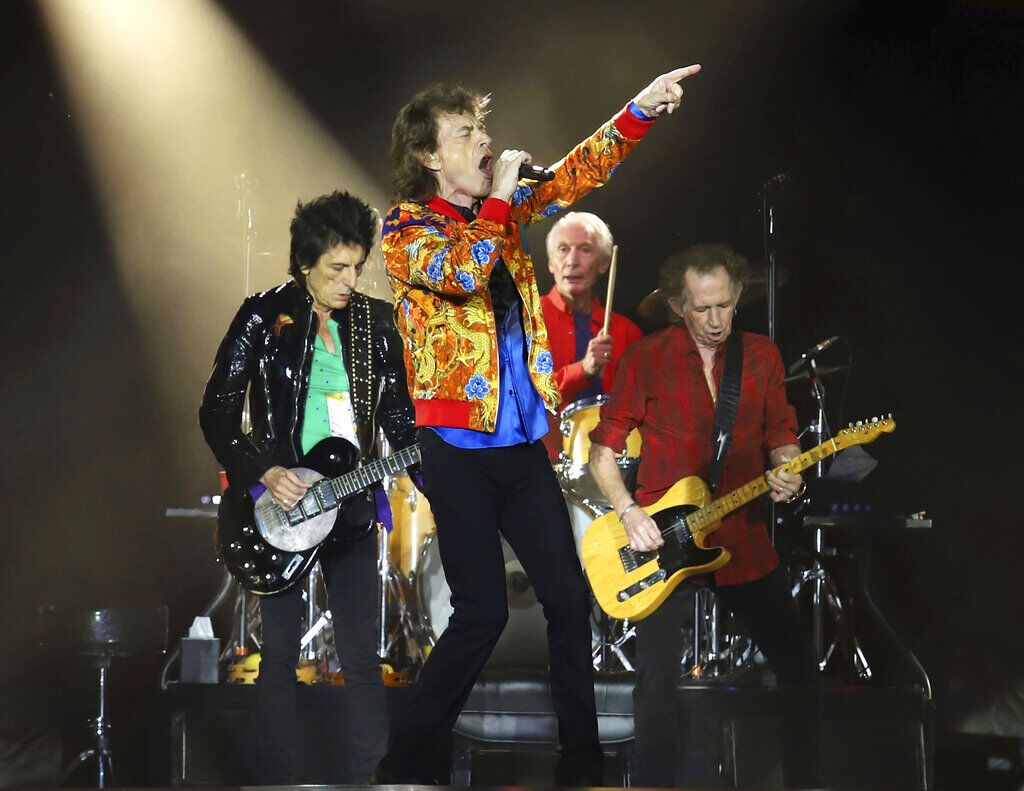
“Sure ‘Nough He’s a Rolling Stone,” sang bluesman Muddy Waters, inspiring the name of what many say is the greatest rock and roll band ever.
Thank you to Muddy Waters for getting the Stones rolling, and to all those who took part in awakening the world to rock ‘n roll.
But why do the Rolling Stones keep on rolling? What is the appeal of a bunch of octogenarians to young people today?
As a twenty-two-year old, I’ll try to answer this question for my fellow youngsters who love the sweet sound of the 60’s.
About a week ago, my dad asked me to go to the upcoming Rolling Stones concert in Denver. It was a no-brainer instant-yes from me, his rock-loving son. The thought of seeing a few Greek gods of rock in action had me pumped. Quickly after I accepted his offer with a long “duhhhh”, he flipped on his interviewer voice and asked:
Why do you think your generation loves the Stones?
I replied with what I felt in the moment: “I think their music speaks to young people.” All I had was a small response to a big question. There’s got to be more than that, I thought. So, I went looking for the “why”.
My first step was asking the question underneath, why is rock music so eternal? To the best of my knowledge, rock has been around for about 70 years. Its roots are woven by the words and plucking of Muddy Waters, Chuck Berry, Little Richard, and the electric blues of the 40s and 50s. African Americans birthed the genre, and the British invasion in the mid-1960s spilled the sound back into its American motherland. The changes to the sound were significant, and the Stones started rolling with “(I Can’t Get No) Satisfaction” in 1965. This was it.
Taking a step back from music, what message attracts young people? Is it anger or is it joy? Pain or power? From what I see, it’s more than that. What truly sinks into the skin of young folk is a rebel yell, a call to stoke a fiery soul. As young people, we don’t get to do a lot. Power seems to escape us, and decisions are constantly made for us. We’re not idiots. We just haven’t been here as long as you old people. The Stones’ music gives us a powerful voice, and that voice is all about storming the citadel.
I asked another twentysomething music-fanatic I know, Sage Matkin, what she thought:
“They ask us why we like music from 60 years ago, how fans who grew up with the records get along so well with those who stream them, and what is it about these old graying men that captivate a range of music lovers? One could take a musicologist angle and provide a note-by-note analysis on how the Stones transformed the sound of rock n roll that trickles down into garage rock albums being put out today,” said Sage.
But there’s something lasting about their musical dedication to rebellion, too.
“Promotion of the devil, or less dramatically, promotion of a shift away from the traditionalist generation their parents belonged to was iconic,” Matkin said. “Their peers perked up at the strong drumline, at the reverberating bass line, and even to Jagger’s sexuality – on and off the mic. With his tight pants, clad in animal print, he was a symbol of and for change. Granted, this British white boy couldn’t have forged this fiery trail without help from the equally (if not more) talented musicians that were systematically ignored in society, music stores, and even ‘the genre’ as we know it today.”
Rock music has a noisy history, and through it there have been many clattering, clanging, banging disruptors who have ignited youthful hearts with something new. The Rolling Stones were noisier than the rest, their songs rumbled, and their fans erupted with shouts of life that could not be silenced, demanding to be heard. They preach to the globe with raw honesty, and chant songs about young masculinity, grief and suffering, anger towards the oppressors, and love.
More often than not, their masculinity seeped into the band’s message. It flattened out the women in their songs to make them one-dimensional. I asked my mother about it, she thought that Jagger and Richards didn’t hate women, but the music was made for one sex more than the other. Their sound was a window to heartbreak and frustration. It is a door that opens to honesty which is not always caring. It is an honesty that, in the 60’s, was seen as defiance itself, and genuine feeling trumped the creation of an all-inclusive message. It was boys leading boys.
I admit before writing this piece I did not see that connection between masculinity and the Stones. Now I will never unsee it. Music can teach you a thing or two, as long as you let it.
One part I haven’t said anything about is this: Rock music requires participation. Rock doesn’t stop, it rolls on through. Rock ‘n roll is a power that moves us.
“They say idle hands are the devil’s workshop, and sympathetic or not, the Stones didn’t idle, not between tours nor album releases,” said Matkin.
Stagnation is the enemy of youthfulness. It is the bat that beats us into submission, and into acceptance of the way things are.
That’s why the Stones music is all about the Feel. To fully feel it, you have to sing, shout, dance, sway, break down, or build-up, or you are missing the point. Most people listen to music everyday, most people don’t research the message behind the melodies, or the history of a lyric. Most of us are just here to listen. I find that music makes me curious. I can free myself and explore my heart in unexpected, unpredictable ways, all during a brief 3-minute journey. The Stones stop me from feeling like I’m under someone’s thumb.
Jagger and the rest are old as hell now, but they refuse to grow old, still bucking like broncos, demanding to stay free. In my eyes, that’s the immortal lesson: can’t tame wild horses. Music can free the mind, then you’ll be able to free yourself.
So when we come back to the question of what makes the Rolling Stones a band for this era, the answer combines past and present. The 60’s had Rock. The 80’s had Rap. In the 20’s we have everything. Today, we have no single genre to express our defiance. Today all rebellions can resist together. The Stones are living proof of that. They are here, touring and refusing to give up on that youthful fire. Mick is scraping eighty years, how tenacious is that? Age can’t condemn a spirit on its own, but still, damn!
The immortal lesson they are teaching us today is quite simple: the rebel yell calls forever. When we listen back to their particular time capsule of rebellion and try sometimes to live the words they sung, we find that we get what we need.

