






Healthy Kids Colorado survey again falls short in El Paso County. Does it matter?
For the second consecutive go-round, not enough public secondary students in El Paso County filled out a questionnaire about their personal health habits — ranging from substance use, sexual behavior and driving conduct to what they eat, how much they exercise and whether they have access to a gun — so a data set could not be compiled.
El Paso is one of 12 counties, out of 64 statewide, that did not tally local statistical information from the Healthy Kids Colorado Survey, released Thursday by the Colorado Department of Public Health and Environment, according to bilingual media specialist Vanessa Bernal.
Responses in those districts were less than 25% of middle and high school students eligible to participate, Bernal said.
But the 120,239 teens who responded statewide represents the most ever, according to public health, and is 13,440 more participants than in 2021.
Every odd-numbered year, the state health department contracts with the Colorado School of Public Health to administer the survey.
The voluntary, anonymous questionnaire requires several levels of consent that include school districts, individual schools, parents and the youth themselves, Bernal said.
Students can opt-out up until the day it’s administered in the fall every other year, she said, and students can skip any questions they want.
Widefield School District 3 was among the districts that didn’t participate last fall.
“There were concerns over some of the questions asked on the survey,” said the district’s spokesperson, Samantha Briggs.
“The district paused on giving the survey to students to have further discussions,” she said, not specifying what questions came into question.
“Due to the time constraints with the survey timeline, we decided to not give the survey and instead focus on current efforts to support students.”
D-3 hired a social worker for each of its schools last year, along with three additional mental health support specialists to serve the district, Briggs said, to help gauge needs and address concerns.
Widefield also opted out of the survey in 2021, she said, because classes were just resuming from the pandemic and the district wanted to “minimize the disruption of instructional time.”
Historically, parents in some of El Paso County’s 15 school districts have objected to the survey, saying the questions are too intrusive and inappropriate.
Statewide, 166 public high schools and 178 middle schools provided the survey to students last fall.
The Colorado health department believes the sampling “yields results that are representative of youth who attend public high schools,” Bernal said.
That’s why El Paso County Public Health officials aren’t worried about not having specific county data.
Trends identified from statewide results will guide county-level work, said Dacia Hudson, director of the department’s community health promotion division.
“It helps us understand the sentiments of our youth and helps drive resources and actions in the community,” she said.
Also, Hudson said, “We have enough initiatives in our community where we are incorporating youth voices in meeting with parents and teachers, to make sure we’re giving information to use in community prevention and action plans.”
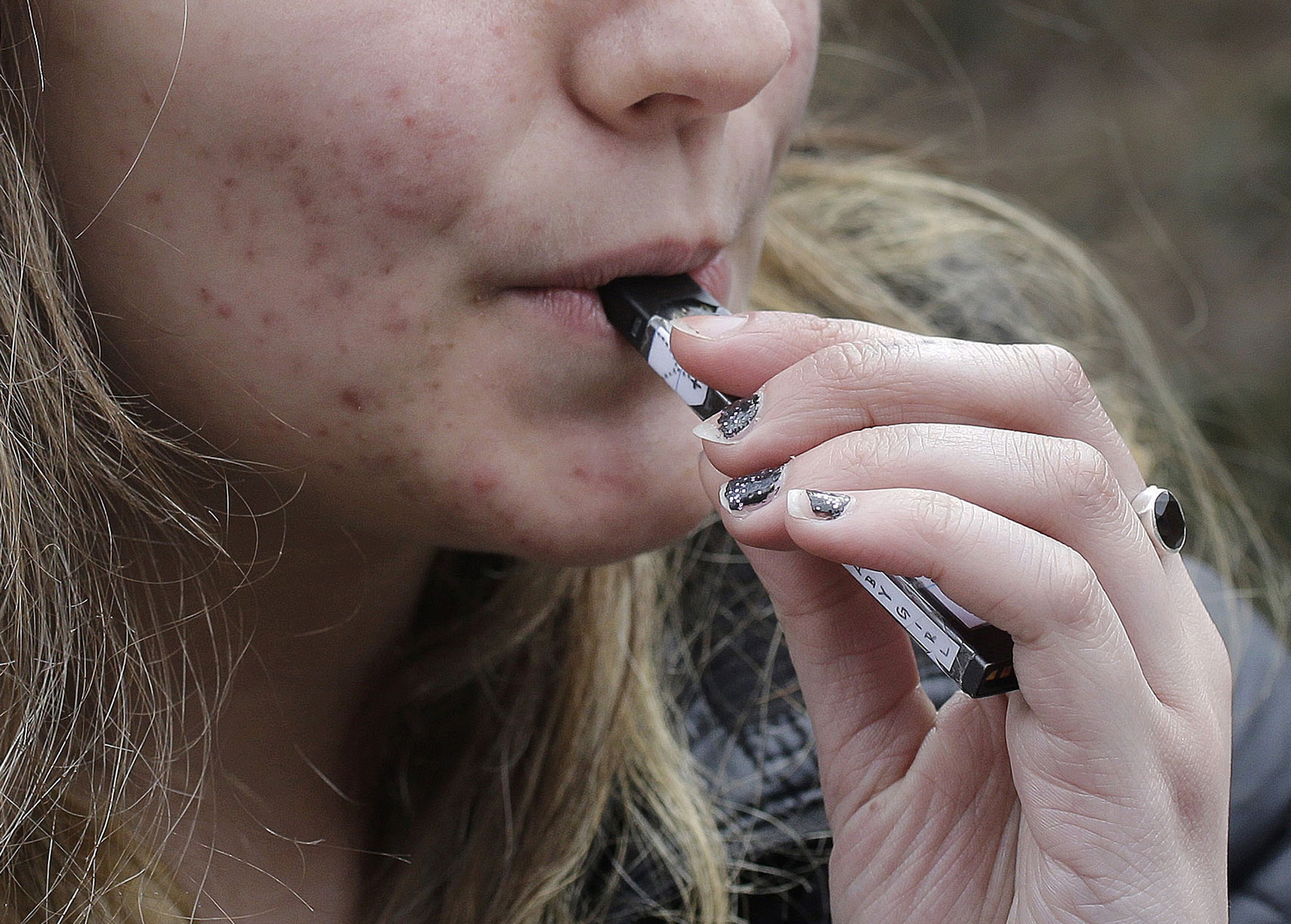
Statewide, fewer high school students are drinking alcohol (21% in 2023, which is down from 24% in 2021), and fewer are vaping tobacco, at 9% in 2023 vs. 16% in 2021. A stagnant 13% of student respondents reported used marijuana in the past month.
Fewer kids said they felt persistent sadness and hopelessness, two-thirds of adolescents having sex used condoms (compared with 59% in 2021), and 11% thought about suicide, which is down from 17% in 2021.
However, more high school students in Colorado indicated they are driving after drinking alcohol or smoking marijuana.
More students think it’s easy to get prescription pain meds they were not prescribed, and of high schoolers who said they had used marijuana in the past month, their penchant for vaping THC, the psychoactive chemical in marijuana, jumped to 46% (up from 39.1% in 2021).
“It’s likely we’re not too different,” Hudson said of local adolescents. “We know these are areas we need to focus on, and our ability to work directly with youth, parents and teachers is valuable.”
A community health assessment El Paso County Public Health released last month also shows that additional substance use prevention programs and providing more mental health resources are needed in the community, Hudson noted.

