






Tips and tricks for navigating rattlesnake season in the Pikes Peak region
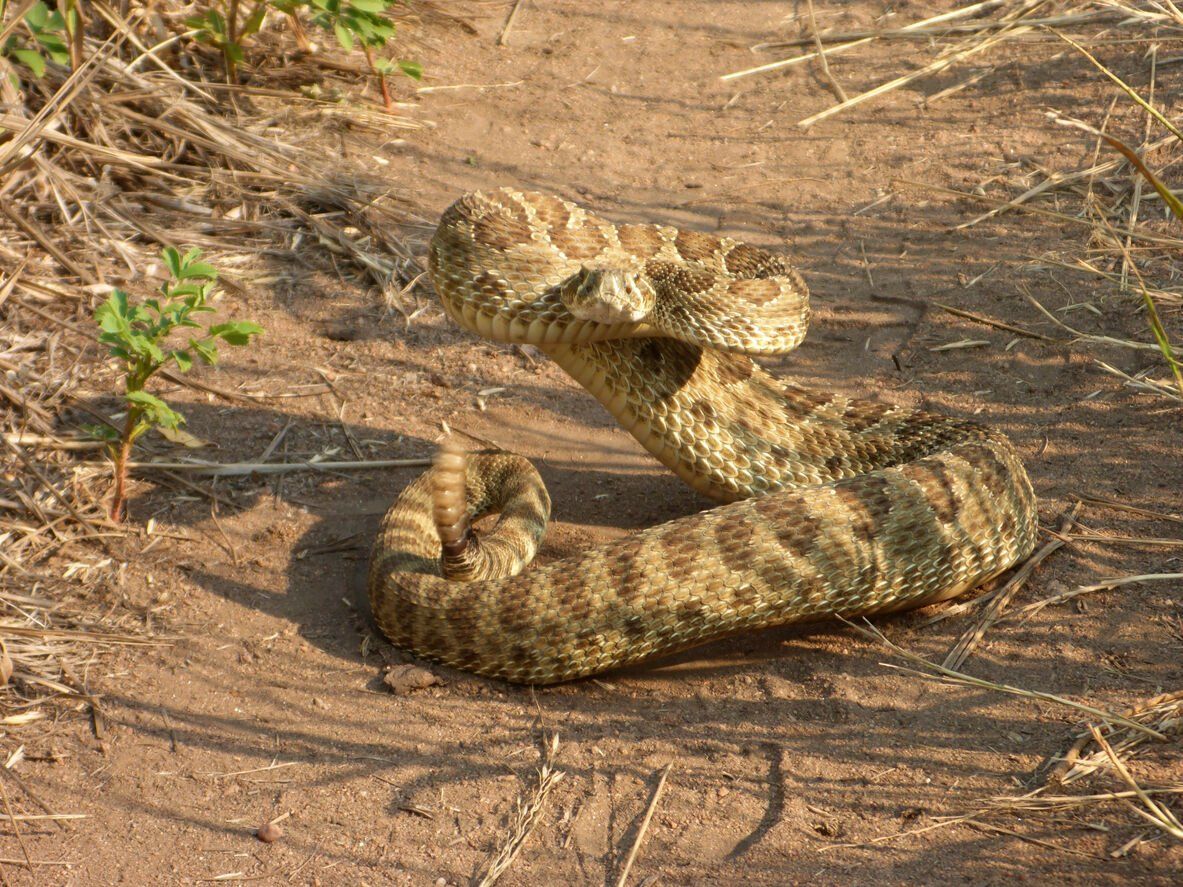
With spring in full swing, it is not just people who are coming out and enjoying the nice weather after a long winter; it is rattlesnake season in the Pikes Peak region.
Spring and fall are primetime for rattlesnakes as the weather is conducive for them, not too hot or cold. In the summertime, people do not typically encounter them in the middle of the day like they might in the spring and fall.
The Pikes Peak region is typically home to the prairie rattlesnake. This species is most commonly found in the Western half of the United States. Prairie rattlesnakes are typically solitary animals, but people may see a few of them together at a time, especially during mating season and the very beginning of spring.
Park Ranger Wesley Hermann advises anyone who encounters a rattlesnake to give the animal as much space as possible.
“I would personally say no rattlesnake is aggressive, there’s just snakes that are maybe a little bit more reactive in their defensive measures,” Hermann said. “Snakes are not hunting people, they’re reacting defensively to us in their space.”
Another tip for hikers especially, is to stay on the designated trail while exploring the outdoors. Rattlesnakes typically want to avoid human interaction, so staying on a trail minimizes the risk of exposure.
The most common place on the body people get bitten is on their forearms. This statistic leads Hermann to believe that most people who are getting bitten are trying to handle the snake in some way.
If a rattlesnake does administer a bite, immediate medical attention is essential.
“Time lost is tissue lost,” Hermann said.
Another tip Hermann gives is to call the hospital while on the way there. This gives the hospital a heads-up so they have the antivenom ready to go. All area hospitals have anti-venom on hand; however, it typically takes 15 minutes to set everything up to be administered.
CSPD medical Lt. Joey Buttenwieser advises victims to call 911 and take an ambulance to the hospital as opposed to driving themselves there. After being bitten, the venom of a rattlesnake can cause severe hypotension which means low blood pressure and tachycardia.
If an individual is bitten, Buttenwieser advises to stay as still as possible and to keep calm. An elevated heart rate can cause the venom to circulate much faster and cause even more damage. It is also not recommended to use a tourniquet in any attempt to control the venom.
“Tourniquets aren’t helpful, because they trap the venom in in the limb and that venom is going to spread through the rest of the body regardless, so keeping immobile and sitting as little as possible until help arrives is the best thing to do,” Buttenwieser said.
Alongside attempts to keep one’s heart rate lower, professionals recommend keeping their heart above the bite location if possible. This can potentially allow for more “grace” time to get the anti-venom administered.
Those bringing their four-legged friends along with them hiking are advised to keep them on a leash. Typically, bites on dogs occur on the nose, most likely from sniffing around in bushes where snakes can be hiding.
Anyone who sees a rattlesnake while on a hiking trail is encouraged to tell a park ranger.
“It’s not something that you need call 911 for because we might not be able to get that information out to the park rangers but a local park ranger is a great resource to give that information to so that they can warn other people that there’s a snake in the area,” Buttenwieser said.
More tips on rattlesnake season are available in this article.

Tips and tricks for navigating rattlesnake season in the Pikes Peak region
With spring in full swing, it is not just people who are coming out and enjoying the nice weather after a long winter; it is rattlesnake season in the Pikes Peak region.
Spring and fall are primetime for rattlesnakes as the weather is conducive for them, not too hot or cold. In the summertime, people do not typically encounter them in the middle of the day like they might in the spring and fall.
The Pikes Peak region is typically home to the prairie rattlesnake. This species is most commonly found in the Western half of the United States. Prairie rattlesnakes are typically solitary animals, but people may see a few of them together at a time, especially during mating season and the very beginning of spring.
Park Ranger Wesley Hermann advises anyone who encounters a rattlesnake to give the animal as much space as possible.
“I would personally say no rattlesnake is aggressive, there’s just snakes that are maybe a little bit more reactive in their defensive measures,” Hermann said. “Snakes are not hunting people, they’re reacting defensively to us in their space.”
Another tip for hikers especially, is to stay on the designated trail while exploring the outdoors. Rattlesnakes typically want to avoid human interaction, so staying on a trail minimizes the risk of exposure.
The most common place on the body people get bitten is on their forearms. This statistic leads Hermann to believe that most people who are getting bitten are trying to handle the snake in some way.
If a rattlesnake does administer a bite, immediate medical attention is essential.
“Time lost is tissue lost,” Hermann said.
Another tip Hermann gives is to call the hospital while on the way there. This gives the hospital a heads-up so they have the antivenom ready to go. All area hospitals have anti-venom on hand; however, it typically takes 15 minutes to set everything up to be administered.
CSPD medical Lt. Joey Buttenwieser advises victims to call 911 and take an ambulance to the hospital as opposed to driving themselves there. After being bitten, the venom of a rattlesnake can cause severe hypotension which means low blood pressure and tachycardia.
If an individual is bitten, Buttenwieser advises to stay as still as possible and to keep calm. An elevated heart rate can cause the venom to circulate much faster and cause even more damage. It is also not recommended to use a tourniquet in any attempt to control the venom.
“Tourniquets aren’t helpful, because they trap the venom in in the limb and that venom is going to spread through the rest of the body regardless, so keeping immobile and sitting as little as possible until help arrives is the best thing to do,” Buttenwieser said.
Alongside attempts to keep one’s heart rate lower, professionals recommend keeping their heart above the bite location if possible. This can potentially allow for more “grace” time to get the anti-venom administered.
Those bringing their four-legged friends along with them hiking are advised to keep them on a leash. Typically, bites on dogs occur on the nose, most likely from sniffing around in bushes where snakes can be hiding.
Anyone who sees a rattlesnake while on a hiking trail is encouraged to tell a park ranger.
“It’s not something that you need call 911 for because we might not be able to get that information out to the park rangers but a local park ranger is a great resource to give that information to so that they can warn other people that there’s a snake in the area,” Buttenwieser said.
More tips on rattlesnake season are available in this article.