






‘Alarming’ spike in water-related deaths reported by Colorado Parks and Wildlife
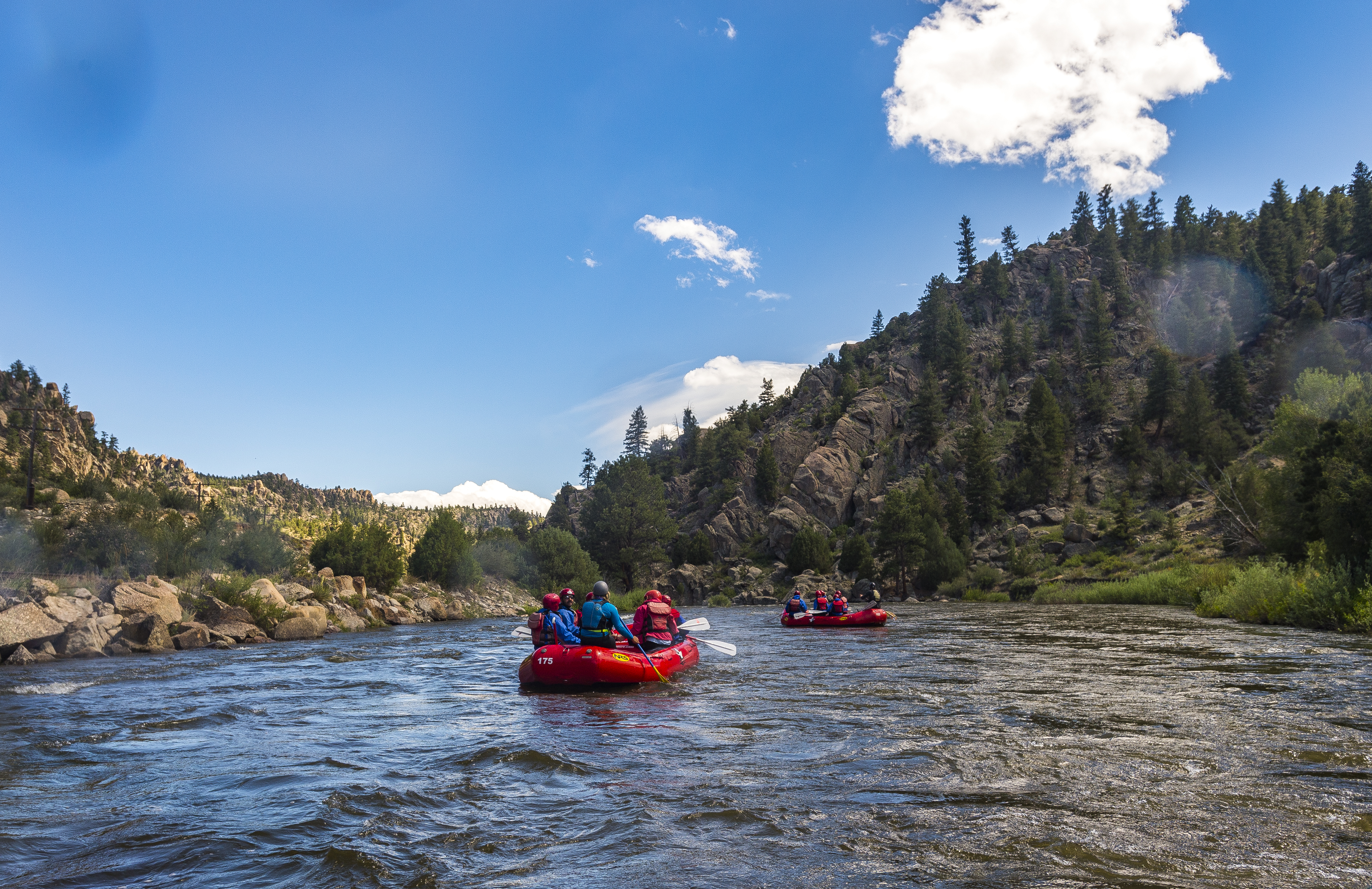
It’s been an alarming start to the summer outdoor recreation season with water-related deaths already being half of what they were all of last year.
While there is no statewide authority that tracks water-related deaths , Colorado Parks and Wildlife has recorded them in recent years. Local authorities handle investigations, but CPW is often asked to assist in searching for victims or evidence.
Bridget O’Rourke, a spokeswoman with Parks and Wildlife, said there have been 16 water-related deaths in Colorado this spring. The state had 32 water-related deaths during last year’s water recreation season.
This year’s deaths are already at 38% of Parks and Wildlife’s highest single-year recorded water-related fatalities, which was 42 in 2022.
“The fact that we are already at 16 is alarming to us because we’re still at the very beginning of the season,” O’Rourke said. “On the surface, rivers and streams can seem calm, warm or shallow. But even the most experienced outdoor enthusiasts can become victims to deceptively strong currents and cold-water temperatures.”
This time of year is traditionally when the waters are the most dangerous because of snow runoff and rain that cause rising water levels and faster rapids, she said.
The cold water from runoff can result in a loss of motor skills because of the shock of the cold water, making it even more difficult to swim for even competent swimmers. This happens more likely when someone is not wearing clothing such as a wet suit that insulates them from the cold water.
On Friday, CPW issued a public safety announcement that urged people to avoid the Arkansas River below the Lake Pueblo State Park dam due to flows being released at a rate of 3,905 cubic feet per second and the water being an ‘extremely’ cold 54 degrees. Parks and Wildlife added that it’s an especially important time to be safe around the river.
A similar public safety notice came from the Boulder County Sheriff’s Office after it issued a tubing closure for the North St. Vrain Creek and South St. Vrain Creek because the merged river was flowing at approximately 768 cubic feet per second and is expected to increase due to spring runoff and scheduled releases of water from local reservoirs.
O’Rourke said deaths are already so high because people are not wearing life jackets, which was also the reason most water-related deaths occurred last year.
“The No. 1 issue is people not wearing life jackets. That can be the difference between life or death,” she said.
Other common mistakes are being unfamiliar with the water you’re floating in and not knowing your limitations.
CPW recommends checking the weather forecast and river flows before going on a trip, bringing a buddy to float with and also hiring a licensed river guide if you are uncomfortable navigating challenging waters.
Three water-related deaths have happened during the past week.
On Tuesday night, an experienced kayaker was trapped in a class 5 rapid along the Arkansas River north of Buena Vista. He died after multiple attempts were made by responders to resuscitate him.
A 17-year-old female paddleboarder died while traveling down the Colorado River last weekend. Her life jacket came off during the incident because it was not securely strapped on, officials said.
Also, the Grand County Sheriff’s Office reported a death and a missing person last weekend following a rafting incident. Brent Boulter, 56, died after his party’s raft flipped in the Colorado River. Thomas Russell, 61, went missing and has yet to be found.
Neither Boulter or Russell was wearing a personal floatation device, the Sheriff’s Office said.
