






Colorado Supreme Court clarifies who owns oil, gas rights beneath streets
Timothy Hurst
The Colorado Supreme Court on Monday, citing a need to avoid mass litigation across the state, ruled for the first time that property owners generally retain the mineral rights under roadways adjacent to their land, up to the center line.
The decision resolved the question of who is entitled to oil and gas royalties for extraction that occurs beneath rights-of-way when a deed transferring ownership is silent about the mineral rights. The justices acknowledged the issue is more salient now than in decades past due to the increase in hydraulic fracturing and horizontal drilling, allowing greater access to fossil fuel deposits.
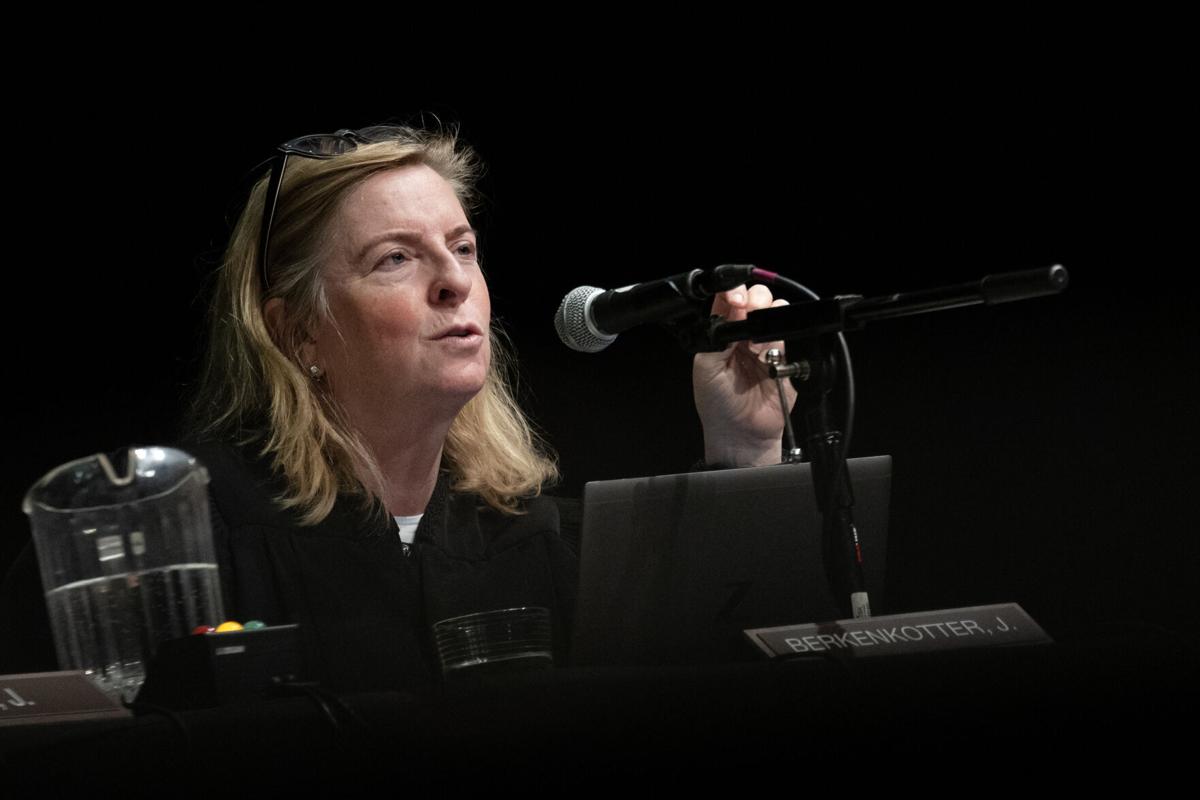
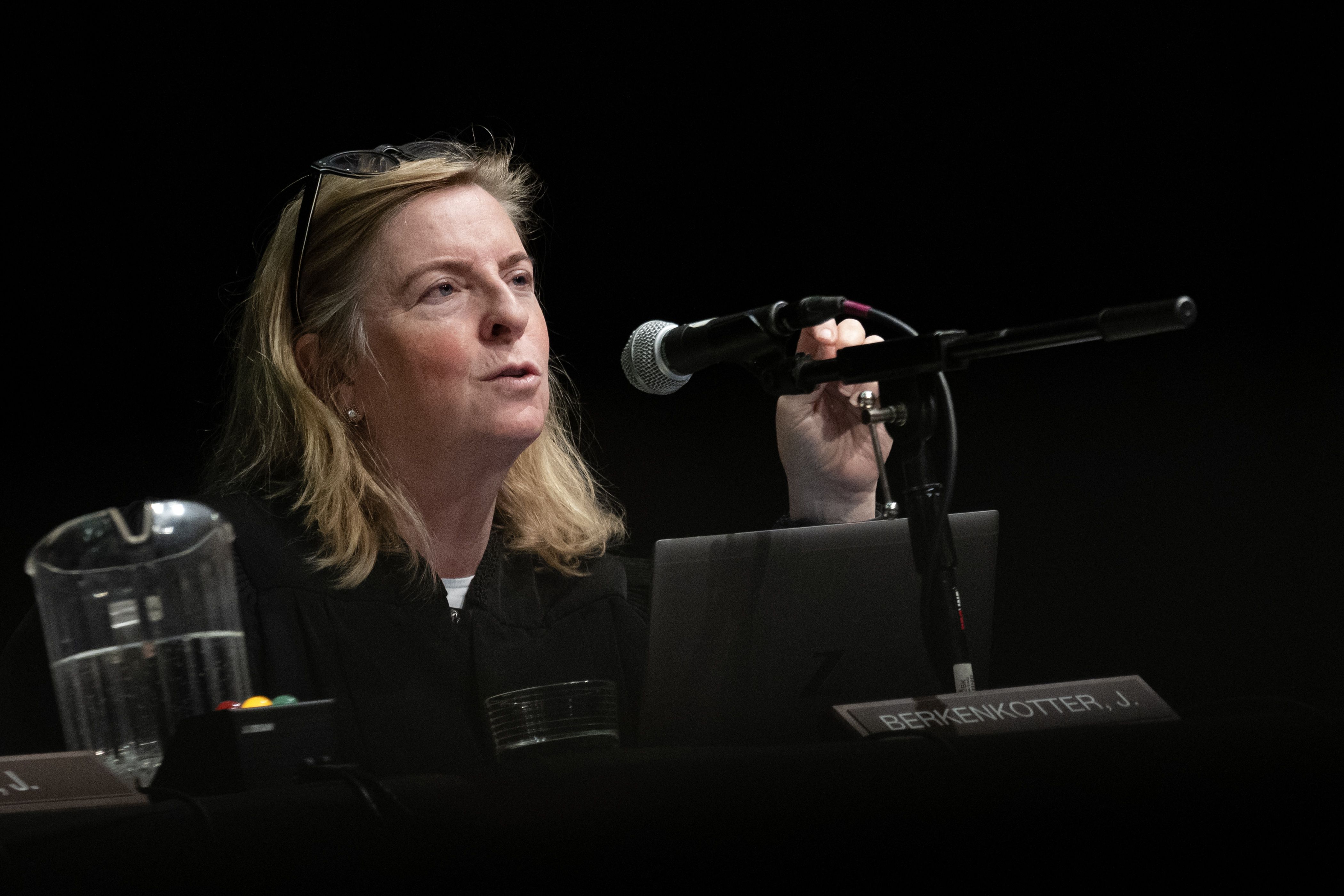
With the rights of property owners on the surface already recognized to the center of an adjacent roadway, Justice Maria E. Berkenkotter explained that applying the “centerline presumption” below the surface would prevent a flood of legal claims from entities that owned the land in the past and could now claim they are actually entitled to oil and gas royalties under the road.
“Were we to carve out a special exception to the centerline presumption,” she wrote in the May 6 opinion, previous titleholders “could emerge en masse to seek disgorgement of oil and gas royalties obtained by countless landowners over the last century.”

In the underlying case, a developer in Greeley sold off the lots surrounding W. 11th Street Road nearly 50 years ago. The deeds did not explicitly say what happened to the mineral rights underneath the road.
There was no dispute that Extraction Oil and Gas, Inc. since obtained permission to drill under the road. It was unclear, however, who should receive the royalties: the present-day landowners up to the centerline or Great Northern Properties, LLLP, which obtained the mineral rights in 2019 from the original developer and quickly sought to declare itself the owner.
“There’s sort of not a ‘right answer’ to this question. There’s just ‘an answer,’” observed Justice Melissa Hart during oral arguments last year. “What you need from us today is for us to say who has these mineral rights.”
“GNP acquired these assets in the beginning of 2019 and then, literally two months later, filed this lawsuit. That is what we’re going to see going forward,” warned Joseph C. Pierzchala, an attorney for Extraction.

Oil derricks owned by Extraction Oil & Gas pump near Windsor in Weld County in 2021.
Previously, the state’s Court of Appeals agreed the centerline presumption applied when a deed is silent about mineral rights. Both sides, however, agreed the appellate court caused an unnecessary problem by concluding the centerline presumption only kicked in when the original owner “conveys away all the property they own abutting the right-of-way.”
The Supreme Court overturned that aspect of the prior decision, reasoning that it would force litigants to trace the ownership of every piece of land along a roadway.
Otherwise, the Supreme Court agreed that unless a deed says otherwise, the centerline presumption for above-the-surface property also extends to the mineral rights underneath adjacent roadways. Berkenkotter noted a goal of the centerline presumption is to avoid litigation over tiny strips of land. Permitting a developer to transfer mineral rights decades later, solely for the space beneath a roadway, would lead to more litigation over tiny strips.
“By explicitly acknowledging that when the centerline presumption applies, the conveyance of land abutting a right-of-way is presumed to carry title to the centerline of both the surface and mineral estates,” she wrote, “we avoid this result.”
The case is Great Northern Properties, LLLP v. Extraction Oil and Gas, Inc. et al.
Colorado Supreme Court clarifies who owns oil, gas rights beneath streets
Justice Maria Berkenkotter wrote that recognizing the mineral rights of adjacent property owners by default would avoid a flood of litigation about tiny strips of land

The Colorado Supreme Court on Monday, citing a need to avoid mass litigation across the state, ruled for the first time that property owners generally retain the mineral rights under roadways adjacent to their land, up to the center line.
The decision resolved the question of who is entitled to oil and gas royalties for extraction that occurs beneath rights-of-way when a deed transferring ownership is silent about the mineral rights. The justices acknowledged the issue is more salient now than in decades past due to the increase in hydraulic fracturing and horizontal drilling, allowing greater access to fossil fuel deposits.
With the rights of property owners on the surface already recognized to the center of an adjacent roadway, Justice Maria E. Berkenkotter explained that applying the “centerline presumption” below the surface would prevent a flood of legal claims from entities that owned the land in the past and could now claim they are actually entitled to oil and gas royalties under the road.
“Were we to carve out a special exception to the centerline presumption,” she wrote in the May 6 opinion, previous titleholders “could emerge en masse to seek disgorgement of oil and gas royalties obtained by countless landowners over the last century.”
In the underlying case, a developer in Greeley sold off the lots surrounding W. 11th Street Road nearly 50 years ago. The deeds did not explicitly say what happened to the mineral rights underneath the road.
There was no dispute that Extraction Oil and Gas, Inc. since obtained permission to drill under the road. It was unclear, however, who should receive the royalties: the present-day landowners up to the centerline or Great Northern Properties, LLLP, which obtained the mineral rights in 2019 from the original developer and quickly sought to declare itself the owner.
“There’s sort of not a ‘right answer’ to this question. There’s just ‘an answer,'” observed Justice Melissa Hart during oral arguments last year. “What you need from us today is for us to say who has these mineral rights.”
“GNP acquired these assets in the beginning of 2019 and then, literally two months later, filed this lawsuit. That is what we’re going to see going forward,” warned Joseph C. Pierzchala, an attorney for Extraction.

Previously, the state’s Court of Appeals agreed the centerline presumption applied when a deed is silent about mineral rights. Both sides, however, agreed the appellate court caused an unnecessary problem by concluding the centerline presumption only kicked in when the original owner “conveys away all the property they own abutting the right-of-way.”
The Supreme Court overturned that aspect of the prior decision, reasoning that it would force litigants to trace the ownership of every piece of land along a roadway.
Otherwise, the Supreme Court agreed that unless a deed says otherwise, the centerline presumption for above-the-surface property also extends to the mineral rights underneath adjacent roadways. Berkenkotter noted a goal of the centerline presumption is to avoid litigation over tiny strips of land. Permitting a developer to transfer mineral rights decades later, solely for the space beneath a roadway, would lead to more litigation over tiny strips.
“By explicitly acknowledging that when the centerline presumption applies, the conveyance of land abutting a right-of-way is presumed to carry title to the centerline of both the surface and mineral estates,” she wrote, “we avoid this result.”
The case is Great Northern Properties, LLLP v. Extraction Oil and Gas, Inc. et al.

Colorado Supreme Court clarifies who owns oil, gas rights beneath streets
Justice Maria Berkenkotter wrote that recognizing the mineral rights of adjacent property owners by default would avoid a flood of litigation about tiny strips of land
The Colorado Supreme Court on May 6, citing a need to avoid mass litigation across the state, ruled for the first time that property owners generally retain the mineral rights under roadways adjacent to their land, up to the center line.
The decision resolved the question of who is entitled to oil and gas royalties for extraction that occurs beneath rights-of-way when a deed transferring ownership is silent about the mineral rights. The justices acknowledged the issue is more salient now than in decades past due to the increase in hydraulic fracturing and horizontal drilling, allowing greater access to fossil fuel deposits.
With the rights of property owners on the surface already recognized to the center of an adjacent roadway, Justice Maria E. Berkenkotter explained that applying the “centerline presumption” below the surface would prevent a flood of legal claims from entities that owned the land in the past and could now claim they are actually entitled to oil and gas royalties under the road.
“Were we to carve out a special exception to the centerline presumption,” she wrote in the May 6 opinion, previous titleholders “could emerge en masse to seek disgorgement of oil and gas royalties obtained by countless landowners over the last century.”
In the underlying case, a developer in Greeley sold off the lots surrounding W. 11th Street Road nearly 50 years ago. The deeds did not explicitly say what happened to the mineral rights underneath the road.
There was no dispute that Extraction Oil and Gas, Inc. since obtained permission to drill under the road. It was unclear, however, who should receive the royalties: the present-day landowners up to the centerline or Great Northern Properties, LLLP, which obtained the mineral rights in 2019 from the original developer and quickly sought to declare itself the owner.
“There’s sort of not a ‘right answer’ to this question. There’s just ‘an answer,’” observed Justice Melissa Hart during oral arguments last year. “What you need from us today is for us to say who has these mineral rights.”
“GNP acquired these assets in the beginning of 2019 and then, literally two months later, filed this lawsuit. That is what we’re going to see going forward,” warned Joseph C. Pierzchala, an attorney for Extraction.
Previously, the state’s Court of Appeals agreed the centerline presumption applied when a deed is silent about mineral rights. Both sides, however, agreed the appellate court caused an unnecessary problem by concluding the centerline presumption only kicked in when the original owner “conveys away all the property they own abutting the right-of-way.”
The Supreme Court overturned that aspect of the prior decision, reasoning that it would force litigants to trace the ownership of every piece of land along a roadway.
Otherwise, the Supreme Court agreed that unless a deed says otherwise, the centerline presumption for above-the-surface property also extends to the mineral rights underneath adjacent roadways. Berkenkotter noted a goal of the centerline presumption is to avoid litigation over tiny strips of land. Permitting a developer to transfer mineral rights decades later, solely for the space beneath a roadway, would lead to more litigation over tiny strips.
“By explicitly acknowledging that when the centerline presumption applies, the conveyance of land abutting a right-of-way is presumed to carry title to the centerline of both the surface and mineral estates,” she wrote, “we avoid this result.”
The case is Great Northern Properties, LLLP v. Extraction Oil and Gas, Inc. et al.
