






UCCS bracing for budget cuts to close spending gap
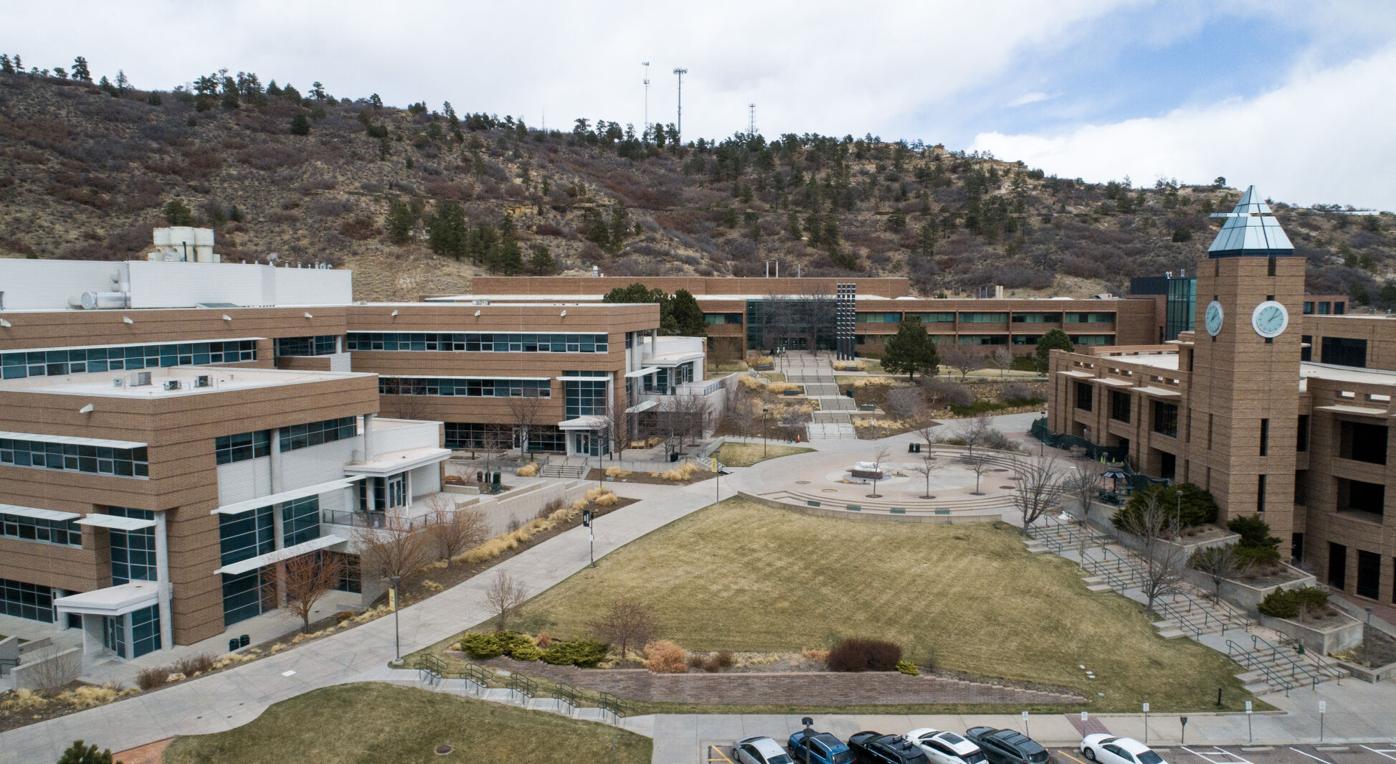
Parker Seibold, The Gazette
With early indications of a nearly $4 million spending gap for the fiscal year that begins July 1, leaders at the Colorado Springs campus of the University of Colorado are figuring out how to cut expenses to balance the budget, which will be presented to the system’s Board of Regents next month.
Several scenarios all point to the same conclusion.
“We’re seeing expenses are growing faster than our revenues right now, and we’ve embarked on an open and transparent process to provide information to faculty and staff on what’s causing the growth in expenses and why revenue is not keeping up with expenses,” Chancellor Jennifer Sobanet said Tuesday.
Rumors that furloughs and layoffs are in the cards for some employees later this year are untrue, she said.
Accused UCCS shooter faces new charges after alleged assault in jail
“Those two tools would not be helpful,” Sobanet said.
Instead, campus administrators intend to eliminate vacant positions and have already begun incentivizing voluntary retirement, the chancellor said. Not filling empty jobs will lead to restructuring and reorganization in some departments, she said. Reductions in operating budgets also will be made, she said, while “isolated reductions in filled positions” could be considered but not necessarily.
Under a new process instituted by Sobanet, who was appointed chancellor in December, instead of administrators dictating specific amounts that need to be cut around campus, unit leaders analyzed the needs and decided what expenses they could eliminate.
UCCS contracts former Colorado Springs mayor for policy review after double homicide
“We didn’t know if they’d come back with $4 million, but they did,” said Kathy Kaoudis, vice chancellor for administration and finance. “Everyone did their work to look into operations and make tactical cuts that wouldn’t impact them strategically.”
Kaoudis said 70% of UCCS’ revenue comes from student tuition and fees, and 30% is supplied by the state’s budget and other tax money, including the College Opportunity Fund, which offsets the costs of undergraduate education for qualifying students.


Residential housing at University of Colorado Colorado Springs.
Enrollment has been declining at UCCS for years; this semester student headcount is down 1.24% over 2023. While the campus has fewer students, they are taking about the same number of classes as students this semester as in the 2023 spring semester, said Chris Valentine, assistant vice chancellor for marketing and communications.
Predictions for the fall semester are that enrollment will be flat, Kaoudis said.
“We’ve estimated our budget in the most conservative way possible, so we don’t end up with a mid-year surprise,” she said.
After continual fall semester growth in students since 2007, enrollment decline began six years ago, hitting an all-time high in the fall of 2018 with 12,572 degree-seeking students.
This past fall’s 10,687 degree-seeking students represented a 15% decrease from 2018, and the lowest fall enrollment since 2013, records show.
“We’re trying to turn that around,” Sobanet said. “We’re seeing more new students coming in, and we want them to persist and stay here until they graduate. That leads to student success for them and for all of us because growth in enrollment leads to overall growth in revenue.”
Applications for the 2024 fall semester are trickling in but have been slower than usual, Valentine said, because of the nationwide delay in processing FAFSA forms, the Free Application for Federal Student Aid for college-bound students. Colleges and universities make offers of financial aid based on the verified information.
The U.S. Department of Education blames system glitches for this year’s holdup in processing 6 million applications but has said students should receive the needed information in mid-April.
Still, new student applications to UCCS are up nearly 11%, and admissions have increased by about 4% over the same time last year, Valentine said.
Budget shortfalls are plaguing colleges and universities around the nation, as enrollment dropped during the pandemic and fewer high school graduates are choosing to matriculate.
UCCS leaders also are looking at whether to cut certain activities — such as a new enrollment management plan, a Diversity, Equity and Inclusion initiative and other new programs — that have been funded by one-time monies.
Incorporating all the programs for which funding will expire in upcoming years into UCCS’ base budget would cost about $12 million over a five-year period, Kaoudis said.
“It’s a big strategic decision for us,” she said. “How do we decide what we want to continue and how do we fold them into our ongoing base budget.”
While the UCCS campus sustained a blow when a student and his visitor were shot to death allegedly by a roommate in a dorm on Feb. 16, university officials have said they would make improvements to campus security and this week told employees that two former U.S. attorneys have been hired to analyze the university’s response to the situation to make further adjustments if needed.
New strategies to boost enrollment and retain existing students are showing signs that they are working, Sobanet said.
“We’re seeing more students in graduate programs, more new students starting in our undergrad programs, and we’re working on making it easier for students to stay here with financial aid, academic supports, and increasing their sense of belonging and the student experience,” she said. “We are beginning to see some traction.”
The UCCS budget for the coming fiscal year won’t be finalized until June, following next month’s CU Board of Regents’ budget hearings and state lawmakers’ approval of Gov. Jared Polis’ budget request, which includes funding for public higher education.
The Colorado Legislature’s Joint Budget Committee on Friday approved a $132 million increase for higher education, which the six-member panel said would enable public colleges and universities to limit tuition increases in the fall to 3% for Colorado residents and 4% for out-of-state students.
Contact the writer: 719-476-1656.
