Finger pushing
[location-weather id="1320728"]


7 rare wildflowers waiting to be found around Colorado

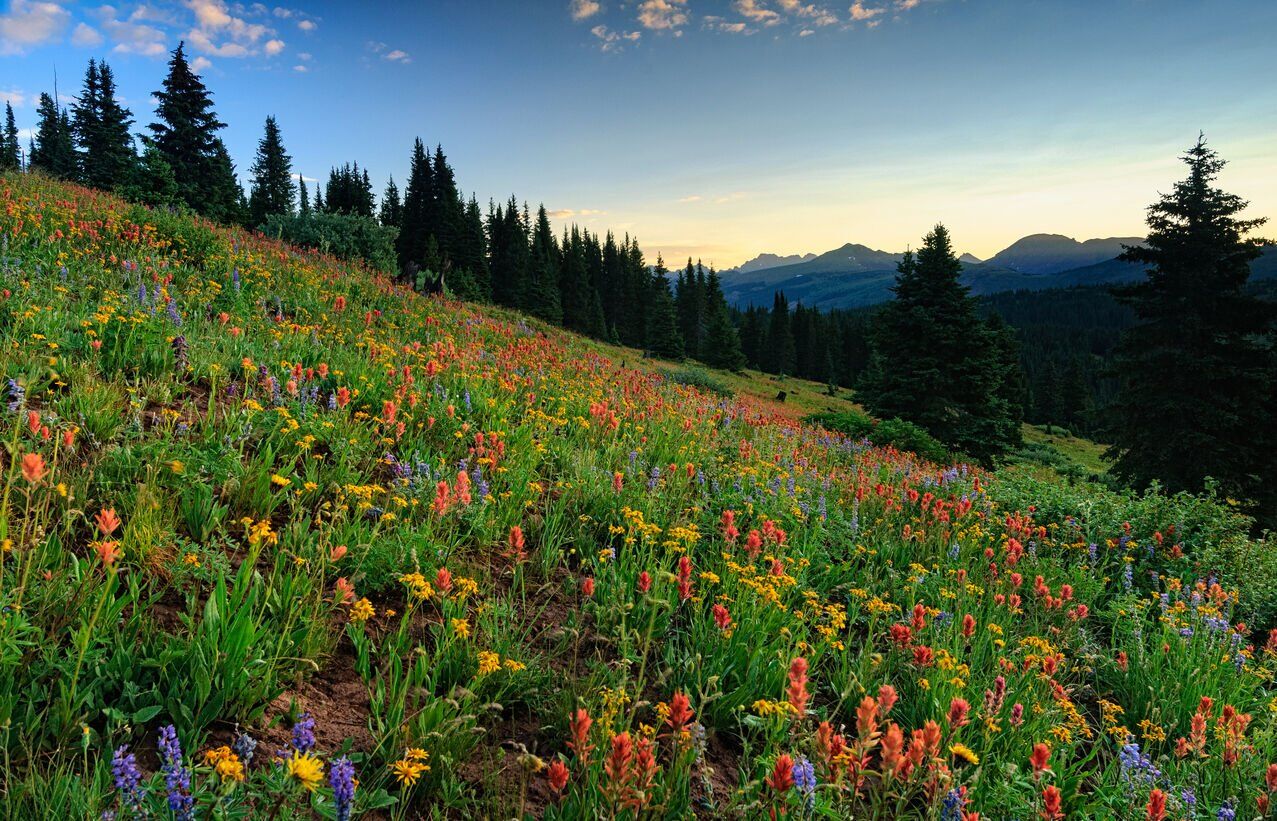
File photo. Photo Credit: Adventure_Photo (iStock).

Spring is approaching, and so is Colorado’s wildflower season. With unique habitats and locations found around the state, here are some rare wildflowers to look for in Colorado as featured by the Colorado Native Plant Society.

1. Rocky Mountain Sky Pilot (Polemonium confertum)

[inline_image src=”aHR0cHM6Ly9ibG94aW1hZ2VzLm5ld3lvcmsxLnZpcC50b3dubmV3cy5jb20vZ2F6ZXR0ZS5jb20vY29udGVudC90bmNtcy9hc3NldHMvdjMvZWRpdG9yaWFsLzUvYmYvNWJmMTkzM2EtMDRiOS01YTg3LThjZTQtMzk3Zjg1YjE0ZmVhLzY1ZmI2MDA3ZDdmMGYuaW1hZ2UuanBn” alt=”Um9ja3kgTW91bnRhaW4gU2t5IFBpbG90LiBQaG90byBDcmVkaXQ6IEthZW1hdCAoRmxpY2tyKS4=” caption=”Um9ja3kgTW91bnRhaW4gU2t5IFBpbG90″ credit=”S2FlbWF0IHZpYSBGbGlja3I=”]

Rocky Mountain Sky Pilot. Photo Credit: Kaemat (Flickr).

Rocky Mountain Sky Pilot


This flower is a native species found in alpine tundra and thrives in harsh and rugged environments. It can be found in the mountains southwest of Denver and the subalpine and alpine terrain on the eastern and western slopes. The flower will bloom from June through August.

2. Penland’s Eutremia (Eutremia penlandii)

[inline_image src=”aHR0cHM6Ly9ibG94aW1hZ2VzLm5ld3lvcmsxLnZpcC50b3dubmV3cy5jb20vZ2F6ZXR0ZS5jb20vY29udGVudC90bmNtcy9hc3NldHMvdjMvZWRpdG9yaWFsLzcvMzMvNzMzM2U5MjMtMTg3NS01MjMxLWEwNmMtYjFmN2MxYWQwOTY3LzY1ZmI2MDA5MjIxYjIuaW1hZ2UuanBn” alt=”RXV0cmVtaWEgUGVubGFuZGlpLiBQaG90bzogVVNGUyAoV2lraW1lZGlhIENvbW1vbnMu” caption=”RXV0cmVtaWEgUGVubGFuZGlpLiBQaG90bzogVVNGUyAoV2lraW1lZGlhIENvbW1vbnMu”]

Eutremia Penlandii. Photo: USFS (Wikimedia Commons.

Eutremia Penlandii. Photo: USFS (Wikimedia Commons.


Found in an alpine environment on solufluction lobes in the tundra, this flower is endemic to a stretch of the Continental Divide in Colorado where it trends east-west and not north-south. This is where the plant’s necessary habitat condition exists.

3. Alpine Twinpod (Physaria alpina)

[inline_image src=”aHR0cHM6Ly9ibG94aW1hZ2VzLm5ld3lvcmsxLnZpcC50b3dubmV3cy5jb20vZ2F6ZXR0ZS5jb20vY29udGVudC90bmNtcy9hc3NldHMvdjMvZWRpdG9yaWFsL2YvMWEvZjFhNDNlMDctNTI5Yi01ZmRjLTgxNzMtYzYwMmYyODQ4MmE1LzY1ZmI2MDA5N2MxYWMuaW1hZ2UuanBnP3Jlc2l6ZT0xMzk2JTJDMTE5Mg==” alt=”UGh5c2FyaWEgQWxwaW5hLiBQaG90bzogS2FyZWxqIChXaWtpbWVkaWEgQ29tbW9ucyku” caption=”UGh5c2FyaWEgYWxwaW5h” credit=”S2FyZWxqIHZpYSBXaWtpbWVkaWEgQ29tbW9ucw==”]

Physaria Alpina. Photo: Karelj (Wikimedia Commons).

Physaria alpina


Endemic to elevations over 11,000 feet in west-central Colorado’s high mountains, this flower grows in rocky areas in the alpine on east and west slopes, occupying a habitat of about 187 acres. The flower can be found in the northeastern Gunnison Basin and the Mosquito Range and blooms in June and July.

4. Icegrass (Phippsia algida)

Featured Local Savings

[inline_image src=”aHR0cHM6Ly9ibG94aW1hZ2VzLm5ld3lvcmsxLnZpcC50b3dubmV3cy5jb20vZ2F6ZXR0ZS5jb20vY29udGVudC90bmNtcy9hc3NldHMvdjMvZWRpdG9yaWFsLzAvZGMvMGRjZmUyN2MtYmIyMC01ZDkyLTg0NTQtZWZmZDMxNDU0YzU3LzY1ZmI2MDA4MWJiNTMuaW1hZ2UuanBn” alt=”SWNlZ3Jhc3MuIFBob3RvIENyZWRpdDogTWF0dCBMYXZpbiAoRmxpY2tyKS4=” caption=”SWNlZ3Jhc3MuIFBob3RvIENyZWRpdDogTWF0dCBMYXZpbiAoRmxpY2tyKS4=”]

Icegrass. Photo Credit: Matt Lavin (Flickr).

Icegrass. Photo Credit: Matt Lavin (Flickr).


This flower grows in moist alpine places. It can be found along melting snowbanks and streams above timberline on eastern and western slopes. It blooms from July through September.

5. Parry’s Locoweed (Oxytropis parryi)

[inline_image src=”aHR0cHM6Ly9ibG94aW1hZ2VzLm5ld3lvcmsxLnZpcC50b3dubmV3cy5jb20vZ2F6ZXR0ZS5jb20vY29udGVudC90bmNtcy9hc3NldHMvdjMvZWRpdG9yaWFsLzAvZDAvMGQwZGJjMDQtNGZkNy01ZjcwLTg0MzMtZjk0ZTJmNjEyMjllLzY1ZmI2MDA4NmY1MmIuaW1hZ2UuanBn” alt=”UGFycnkncyBMb2Nvd2VlZC4gUGhvdG8gQ3JlZGl0OiBKaW0gTW9yZWZpZWxkIChGbGlja3IpLg==” caption=”UGFycnnigJlzIExvY293ZWVkLiBQaG90byBDcmVkaXQ6IEppbSBNb3JlZmllbGQgKEZsaWNrciku”]

Parry's Locoweed. Photo Credit: Jim Morefield (Flickr).

Parry’s Locoweed. Photo Credit: Jim Morefield (Flickr).


Parry’s Locoweed grows on rocky, open slopes in spruce-fir forests and the alpine tundra, from the montane to the alpine on the east and west slopes. These flowers bloom from June through July.

6. Hoosier Pass Ipomopsis (Ipomopsis globularis)

[inline_image src=”aHR0cHM6Ly9ibG94aW1hZ2VzLm5ld3lvcmsxLnZpcC50b3dubmV3cy5jb20vZ2F6ZXR0ZS5jb20vY29udGVudC90bmNtcy9hc3NldHMvdjMvZWRpdG9yaWFsL2EvMzIvYTMyYjM4ZDEtMTYxMC01YjVmLTljNGUtZjI3NDVhOTI4NDhlLzY1ZmI2MDA4YjE4NGUuaW1hZ2UuanBn” alt=”SG9vc2llciBQYXNzIElwb21vcHNpcy4gUGhvdG8gQ3JlZGl0OiBKdW5pcGVydXNfc2NvcHVsb3J1bSAoRmxpY2tyKS4=” caption=”SG9vc2llciBQYXNzIElwb21vcHNpcw==” credit=”SnVuaXBlcnVzX3Njb3B1bG9ydW0gdmlhIEZsaWNrcg==”]

Hoosier Pass Ipomopsis. Photo Credit: Juniperus_scopulorum (Flickr).

Hoosier Pass Ipomopsis


Endemic to Colorado, this plant grows on high alpine slopes and ridges. It can be found in the Mosquito Range (Hoosier Ridge) in Lake, Park and Summit Counties on the eastern and western slopes. It blooms from July through August.

7. Weber’s Saw-Wort (Saussurea weber)

[inline_image src=”aHR0cHM6Ly9ibG94aW1hZ2VzLm5ld3lvcmsxLnZpcC50b3dubmV3cy5jb20vZ2F6ZXR0ZS5jb20vY29udGVudC90bmNtcy9hc3NldHMvdjMvZWRpdG9yaWFsL2IvNDMvYjQzOTExNjMtYTdiYi01MGZiLWE4NmEtZTQzOTljNjZjODQ5LzY1ZmI2MDBhMjlhMGIuaW1hZ2UuanBn” alt=”U2F1c3N1cmVhIFdlYmVyLiBQaG90byBDcmVkaXQ6IEthdGUgKFdpa2ltZWRpYSBDb21tb25zKS4=” caption=”U2F1c3N1cmVhIFdlYmVyLiBQaG90byBDcmVkaXQ6IEthdGUgKFdpa2ltZWRpYSBDb21tb25zKS4=”]

Saussurea Weber. Photo Credit: Kate (Wikimedia Commons).

Saussurea Weber. Photo Credit: Kate (Wikimedia Commons).


This plant grows in gravelly soil of the alpine and on scree slopes from subalpine to alpine on the eastern and western slopes. It blooms from July through August and can be found in central Colorado in Custer, Lake, Park and Summit counties.

Tags

Ad block goes here

Sponsored Content