






A look back: 4 historic snow storms in Colorado Springs
Colorado Springs set a snow record for March 14, breaking the mark that had stood since 1937.
The city’s official measurement, taken at the Colorado Springs Airport, measured 10.2 inches, beating the previous record of 4.6 inches, according to Steve Hodanish, a meteorologist with the National Weather Service in Pueblo.
Also, the city broke the daily precipitation record for March 14 set in 1996 of .43 inches. On Thursday, Hodanish said Colorado Springs received a total of 1.05 inches.
“We kinda blew it (the previous record) out of the sky, so to speak,” Hodanish said.
Official word was not yet out on whether other records fell from the winter storm that hit much of the Front Range Wednesday night through Friday.
According to the National Weather Service, areas in and around Colorado Springs received over 2 feet of snow from the storm. In Woodland Park some areas are measuring roughly 36 inches of snow received. On the north edge of El Paso County, at the Palmer Divide, Black Forest received up to 30 inches of snow.
“It’s definitely a very moist storm system,” National Weather Service Meteorologist Kyle Mozley said, likening the storm system’s precipitation capacity to things like the blizzard of 1997, albeit without the punishing wind.
Colorado Springs’ all-time, single-day snow record of 25.6 inches was set on March 11, 1909.
Here are a few historical snow events to hit the Colorado Springs area over the years.
Blizzard of 1997
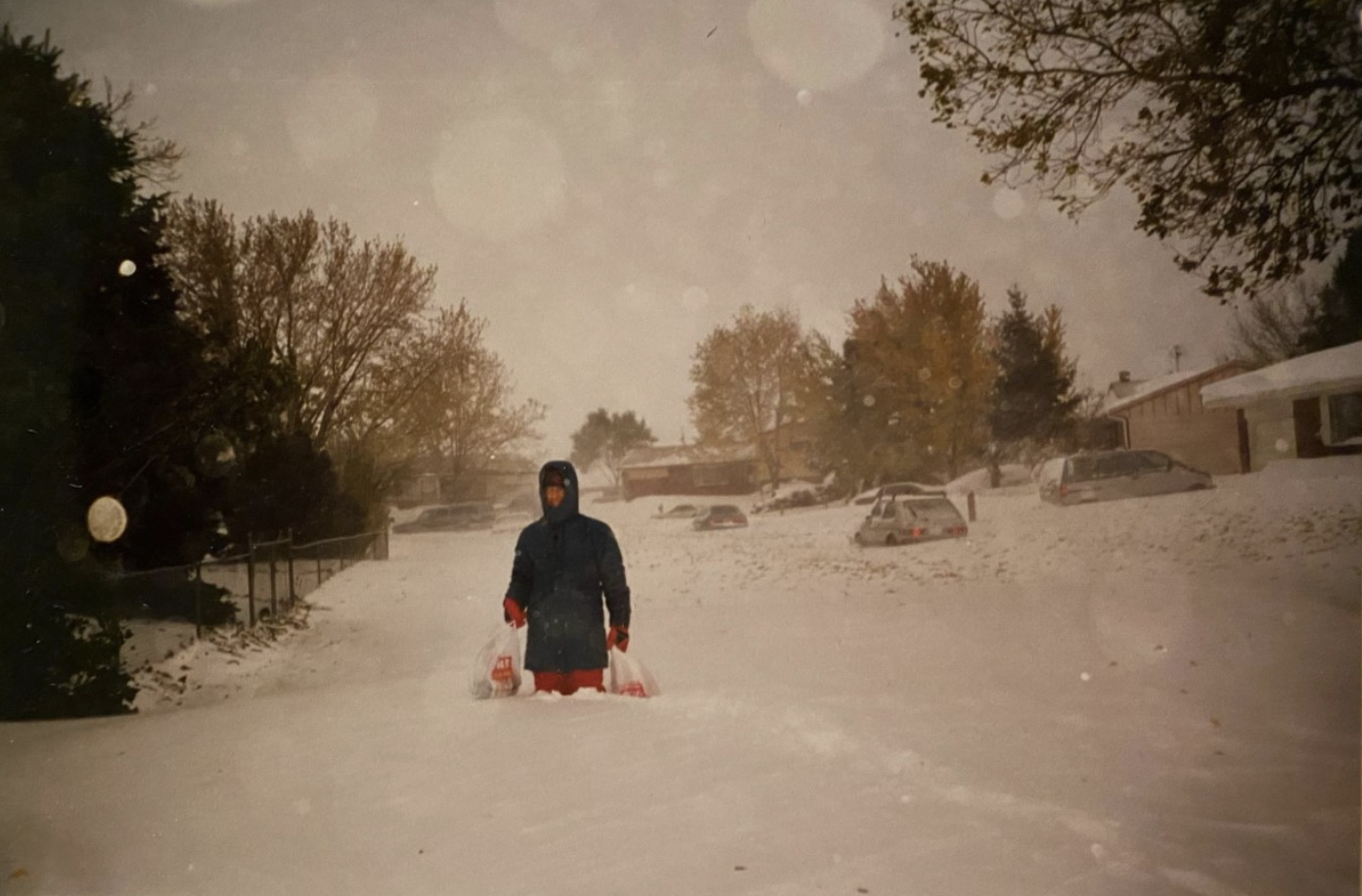
While snow in October isn’t unfamiliar to the Colorado Springs area, the blizzard that hit the Pikes Peak region in late October 1997 was far from a casual fall dusting of snow.


According to the National Weather Service, the Colorado Springs Airport received a whopping 19 inches of snow on Oct. 25, 1997.
With blizzard conditions lasting nearly 24 hours between the evening of Oct. 24 and Oct. 25, the fatal storm claimed multiple lives as temps dipped into the teens and winds reached speeds over 35 mph.
In El Paso County, three people died because of carbon monoxide poisoning as they waited for help in stranded, snowbound vehicles for over 24 hours. Another person died inside their vehicle while on post at Fort Carson .
March of 1998
Colorado Springs received above-average levels of moisture and snow in March of 1998.
According to the Weather Service, a “huge batch” of moisture arrived in Colorado Springs measuring in at 2.42 inches of liquid moisture — nearly three times the average amount. Additionally, the area received a total of 17.5 inches of snowfall — 5.5 inches above average for March.
On March 18, Colorado Springs was hit with 15 inches of snow making it the eighth-snowiest day in the city’s history.
2019 Bomb Cyclone
The 2019 Bomb Cyclone brought widespread blizzard conditions throughout much of the region.
On March 13, the Colorado Springs Airport received the highest wind gust on record, measuring in at 96 mph. Snowfall totals were above a foot surrounding Colorado Springs, with Black Forest receiving a total of 13.5 inches, Woodland Park getting 15 inches and Monument receiving 16 inches.
Dangerous road conditions contributed to more than 1,100 stranded drivers throughout El Paso County, with hundreds more stranded along I-25. In the wake of it all, Gov. Jared Polis declared a state of emergency and activated the Colorado National Guard.
The extremely powerful low-pressure system that created the bomb cyclone set a record for the lowest pressure ever recorded over the state, measuring in at 970.4 mb over Lamar.
March 14, 2021
According to previous reports by The Gazette, the powerful storm that transitioned into a blizzard dumped over a foot of snow across the Front Range.
The storm brought a total of 5 inches of snow to Colorado Springs. The Air Force Academy received a total of 13.5 inches.
The Denver area received over 2 feet of snow during the same blizzard. Snowfall in Aurora measured just over 25 inches. Denver International Airport was hammered with a whopping 27.1 inches, making it one of the biggest snowstorms in Denver history.

