






Number of homeless public school students on the rise in Colorado and El Paso County
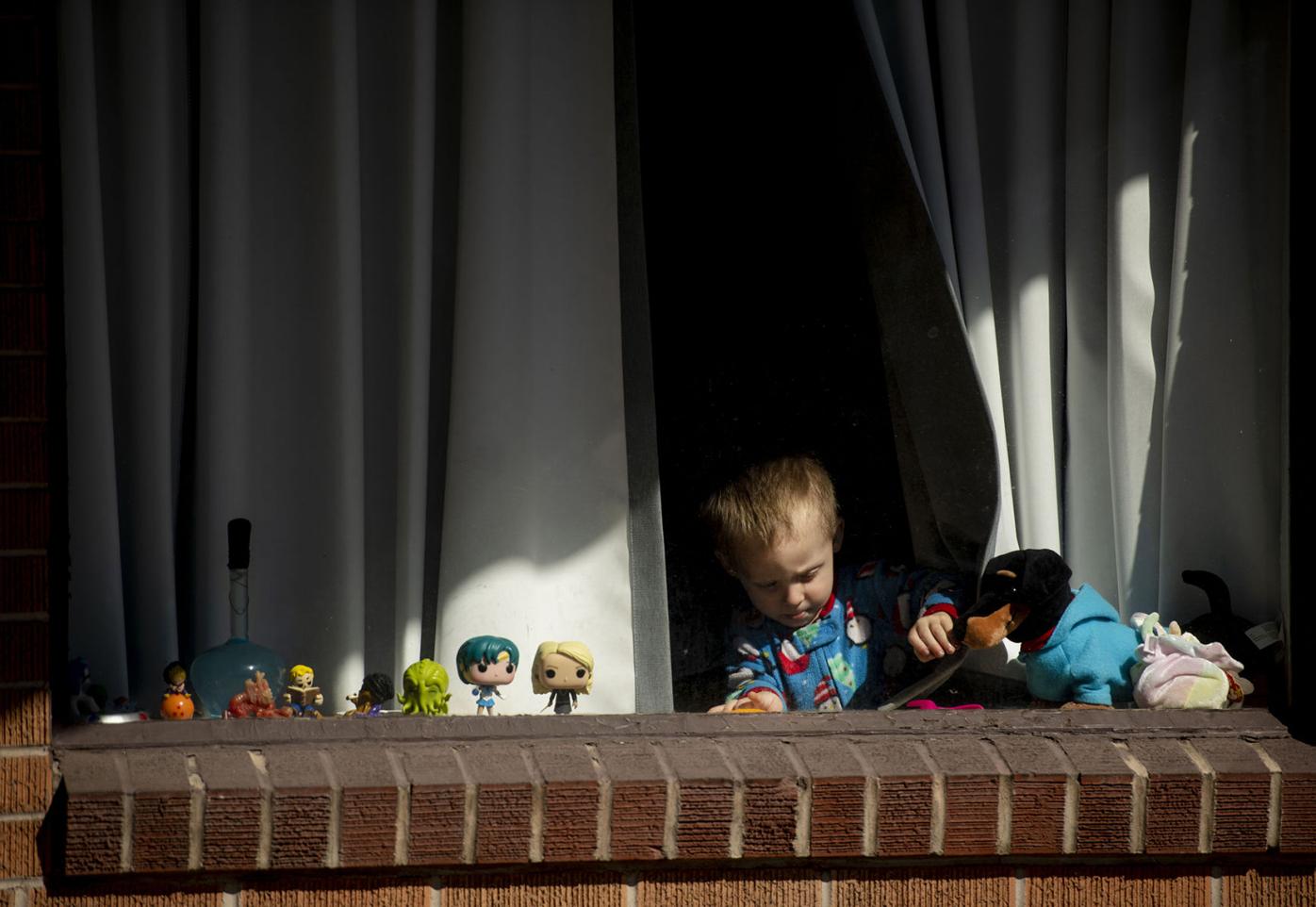
the Gazette file
In just the first half of this week, nine new students who were identified as homeless entered the work world of Bridget Donovan, the McKinney-Vento Education of Homeless Children and Youth Program specialist for Colorado Springs School District 11.
“That seems to be a trend; it’s three new families and they have three or four kids,” she said. “It’s a lot of Colorado Springs residents who have not been able to make ends meet and have been evicted.”
After falling during the COVID-19 pandemic, the numbers of students sleeping in shelters, motels, transitional housing, tents, cars or “doubled up” with relatives or friends are rising again statewide, according to updated statistics from the Colorado Department of Education.
New CEO takes over at The Place, as construction on city's first homeless shelter for young adults progresses
That’s not to say there weren’t as many students who were homeless amid the public health crisis, officials say.
“We were working through remote learning and school districts were getting their feet under them,” said Lisa Zimprich, director of mental health for Fountain-Fort Carson School District 8. “We didn’t have fewer families (who were homeless), but we weren’t able to find them and identify them as we did pre-COVID and as we are doing now.”
Statewide, Colorado counted 17,894 homeless preschool through high school students for the school year that began in the fall of 2022 and ended in the spring of 2023. That’s up from 15,347 homeless students in 2020-21, the first full school year of the pandemic, the new data shows.
In all, El Paso County had 1,181 homeless public school students in 2022-23 and 1,048 in 2020-21. Numbers for seven of El Paso County’s 15 districts were too low to report under privacy laws, so no figures were given in the most recent release.
The local population was much larger in 2017-18, with 2,142 homeless students countywide.
Under the federal McKinney-Vento Homeless Assistance Act, students are considered homeless if they are “lacking a fixed and adequate nighttime residence,” said Paula Gumina, state coordinator for the Education of Homeless Children and Youth Program at the Colorado Department of Education.
Pop up warming shelters in Colorado Springs 'saved lives and limbs,' but new protocol raises safety concerns
In general, that means they are living in temporary settings without a lease agreement. About three-quarters of Colorado’s homeless students sleep doubled up in someone else’s home, about 12% in shelters or transitional housing, roughly 10% in motels and hotels, and 3% in tents or vehicles. Those percentages have not varied significantly statewide in recent years.
School districts work to help keep kids stabilized, said Dana Scott, the state education department’s director of the Office of Student Support, which includes the McKinney-Vento program.
Not only is stability in children’s lives “an imperative to have basic needs met and have kids learn,” she said, but also “education is a ladder out of poverty.”
The primary goal of the federal program is “to ensure that barriers are removed so students can attend school, whether they need transportation, free meals and the natural resources that the general population of students have access to,” said Promis Bruno, school social worker and homelessness prevention coordinator for Fountain-Fort Carson D-8.
After removing those obstacles, school districts point families to community resources, including their own food pantries and clothing closets, as well as professional assistance. Some might need guidance with overcoming a domestic violence situation, Bruno said, while others are struggling with finding a job or signing up for free health care.
For example, D-11 contracts with a car company to drive children to and from school, Donovan said, so they can attend their “school of origin” and maintain some constancy in their lives, during what can seem like a chaotic time.
Prior to COVID, D-8 averaged between 300 and 350 homeless students per year, Bruno said. Last year, D-8 counted 169. This semester it’s 274. Colorado Springs D-11 had 500 students who were homeless in 2022-23; the number was 1,168 in 2017-18.
“Sometimes when you think of homelessness, you don’t think of families — you think of the people pushing shopping carts around town or standing in the medians or sitting outside of 7-11, and that’s typically not this population,” D-11’s Donovan said.
“They are under the radar for a ton of different reasons, and it all revolves around financial things or domestic situations,” she said. “If people look at how much it costs to actually live in Colorado Springs right now and the price increases and what the wages are, you can see how it’s impossible to live on minimum wage.”
Social media post inaccurately portrays proposed homeless encampment near Calhan, InTents of Hope founder says
Homeless children are undercounted, Donovan said, because some families do not want to be flagged: “There is a stigma with being called homeless,” she said. “No kid is going to walk into their classroom and say, ‘Yeah I’m homeless.’”
Fountain-Fort Carson D-8’s Bruno said people who don’t want to sign up for the program “have a right to not be identified, and we respect that.”
The pandemic affected families’ housing situations for the three years between the fall of 2020 through the fall of 2023.
Nearly 40% of students statewide became homeless due to eviction, foreclosure or inability to pay for housing, as of October 2023 state education statistics. That percentage has been increasing since the pandemic; in the 2020-21 academic year, housing issues were the top problem for just over 25% of students.
“There’s a checklist, and for a lot of families, they lost their housing, which made them lose their job, and now they’re doubled up with economic instability,” Bruno said.
Domestic violence and other household challenges was the second-leading cause last year.
Colorado typically receives $1 million to $1.2 million yearly in federal aid for the McKinney-Vento program, Gamino said.
School districts also were eligible for pandemic-relief funding to help families of school-aged children pay for additional stays in motels, gas vouchers, clothing, food, propane, sleeping bags and utilities’ assistance.
Whether the amount of homeless kids goes up or down, Colorado consistently has 11-12% who are “unaccompanied minors” — teens who do not live with a parent or legal guardian, Gumina said.
In El Paso County, 147 students were unaccompanied at the end of the 2022-23 school year, representing 12% of homeless students. Statewide, there were 2,146 students on their own.
Also, Colorado had more Latino and Hispanic homeless students than any other ethnic group, with nearly 10,000 last school year. Nearly 5,000 White children were homeless, Gumina said, which constituted the second-largest group.
Another point: 20% of homeless kids statewide are English language learners, and 20% qualify for assistance through the Individuals with Disabilities Education Act.
Under federal law, school districts cannot ask for immigration status upon enrollment, and students can qualify for McKinney-Vento benefits regardless of whether they are documented or undocumented immigrants, Gumina noted.
“Building relationships and trust with the families is a huge part of it,” Donovan said of her job. “Being available to address their needs on an individual, consistent basis is really important to figure out how can they get to a place that is more permanent. We approach it as a team — or village of people who are there to support them.”
Contact the writer: 719-476-1656.
