






Year-round gardening: Get garden started by sowing seeds indoors
Want lots of plants? Start some seeds!
There are many flowers and vegetables that can easily be grown from seeds in our region. To get a head start, start some seeds indoors to transplant once the danger of frost has passed, which is typically mid-May in the region.
Seed germination is the first step. Germination occurs when the seed sprouts and produces a set of cotyledon leaves, embryonic leaves contained in the seed. True leaves emerge soon after and then germination is complete. Seeds need good TTLC to get a good start — that is timing, temperature, light and conditions.
Timing matters. Start too late, and seedlings will not be ready to transplant; too early and seedlings will outgrow their containers before they can safely go outside. The seed packet will give you an estimated range of time to start the seeds indoors.
Warmth is important especially during germination. If the germination temperature on the packet is higher than your room temperature, use a heat mat designed for seed starting to hasten germination. Once the true leaves emerge, most plants will thrive at normal room temperatures (60 to 72 degrees).
Light is critical. For a few plants, a sunny window sill or a desk lamp with an LED grow light can provide adequate light. For a larger project, LED grow lights can be affixed to utility shelves. Pay attention to seed depth recommendations; some seeds require light to germinate, while others need darkness and should be covered with soil. Once germinated, most plants will thrive with 12 hours of light per day.
Conditions include growing medium, pot size, air movement and watering. During germination it is best to use a seed starting mixture. Most seeds should be started in a very small pot, usually a 1-inch or 2-inch plug. Once the plants are well rooted, transplant to a larger pot to grow the plant to transplant size. At that point you might want to use a sterile, soilless potting mixture rather than the seed starting mixture.
As the plants grow, some air movement will encourage sturdier growth; small fans, or open windows (on warm days) can help.
Watering is definitely a Goldilocks challenge. While you do not want to let the soil get too dry, too much water in the soil will deter root growth. Roots need moisture and air to grow, but too much water will prevent adequate aeration of the root area. Monitor moisture carefully.
The final step before transplant is hardening off, exposing the plants gradually to the higher intensity of sunlight. This generally takes about 10 days, starting by gradually bringing the plants outdoors for a short time, and increasing the time until they are acclimated to the far more intense light of the sun.
For lots more information, check out Colorado State University Fact Sheet 7.409
Email gardening questions to the remote help desk at csumg2@elpasoco.com. The in-person help desk will reopen this spring. Find us on Facebook at Colorado Master Gardeners — El Paso County.
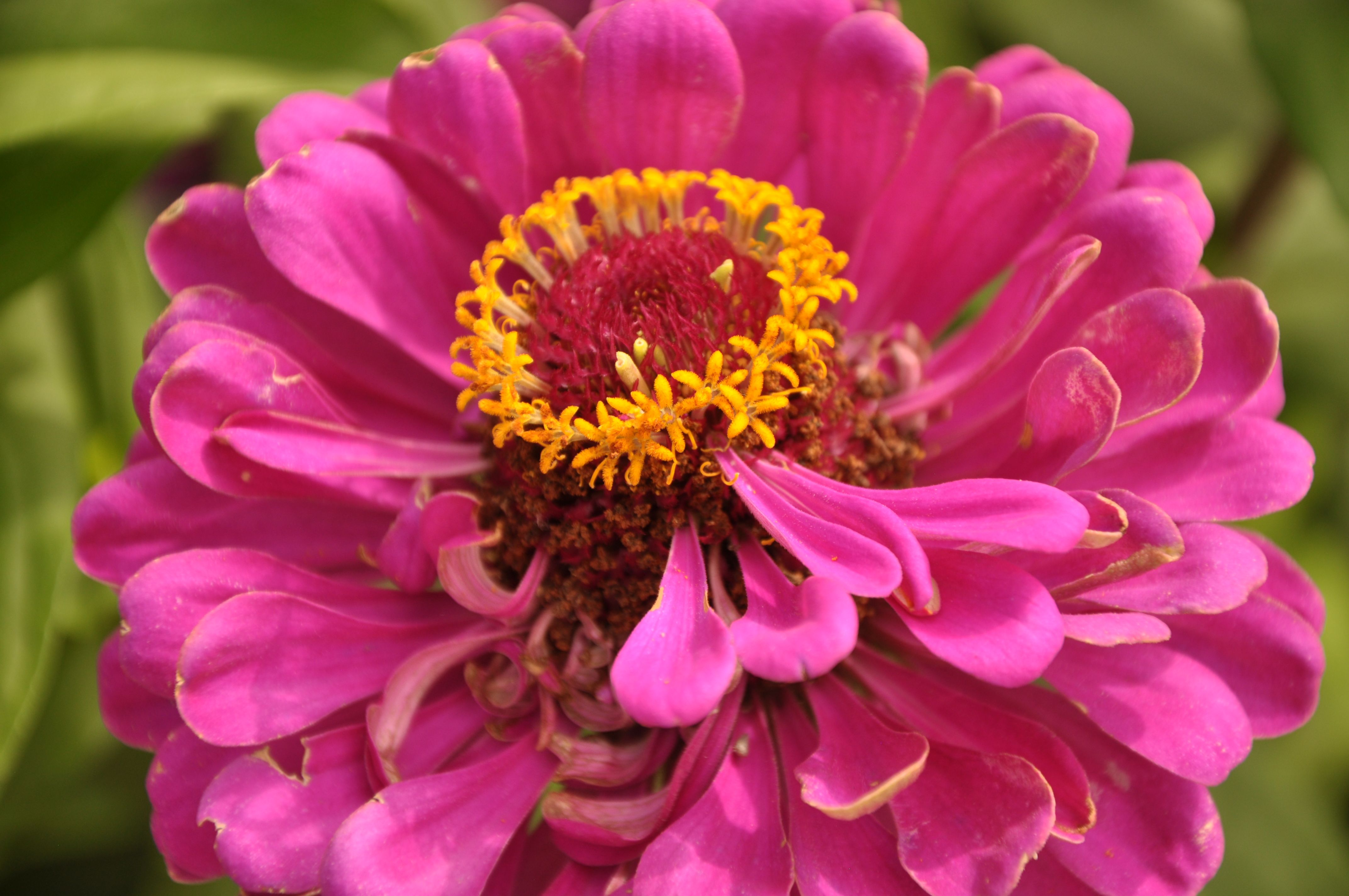
Annuals such as zinnias are easy to start from seed.