






Supreme Court ruling weakens Biden’s clean water protections
WASHINGTON • The Biden administration weakened regulations protecting millions of acres of wetlands Tuesday, saying it had no choice after the Supreme Court sharply limited the federal government’s jurisdiction over them.
The rule would require that wetlands be more clearly connected to other waters like oceans and rivers, a policy shift that departs from a half-century of federal rules governing the nation’s waterways.
Environmental Protection Agency Administrator Michael Regan said the agency had no alternative after the Supreme Court sharply limited the federal government’s power to regulate wetlands that do not have a “continuous surface connection” to larger, regulated bodies of water.
Justices boosted property rights over concerns about clean water in a May ruling in favor of an Idaho couple who sought to build a house near a lake. Chantell and Michael Sackett had objected when federal officials required them to get a permit before filling part of the property with rocks and soil.
The ruling was the second decision in as many years in which a conservative majority on the high court narrowed the reach of environmental regulations.
“While I am disappointed by the Supreme Court’s decision in the Sackett case, EPA and Army (Corps of Engineers) have an obligation to apply this decision alongside our state co-regulators,” Regan said in a statement Tuesday.
The rule announced Tuesday revises a rule finalized earlier this year regulating “waters of the United States.” Developers and agriculture groups have long sought to limit the federal government’s power to use the Clean Water Act to regulate waterways, arguing the law should cover fewer types of rivers, streams and wetlands. Environmental groups have long pushed for a broader definition that would protect more waters.
The new rule is highly unusual and responds specifically to the Supreme Court ruling in the Sackett case. Typically, a rule is proposed, the public weighs in and then the federal government releases a final version. This rule changes existing policy to align with the recent Supreme Court decision and is final.
Damien Schiff, a senior attorney with the Pacific Legal Foundation who represented the Sacketts, said the Biden administration properly changed rules to eliminate unlawful criteria to protect wetlands. “Kudos to the agencies,” he said.
Still, Schiff said the rule ignored other ways that the court limited the reach of the Clean Water Act to protect certain streams and ditches. “I think this attempt to keep it vague, whether it is wisely strategic in a political sense, is just not legally sustainable,” he said.
A coalition of business groups was unhappy with the rule, too.
“Even worse, the agencies blocked public input and engagement in the revision process,” said Courtney Briggs, chair of the industry group Waters Advocacy Coalition in a statement.
The Supreme Court ruling was a win for developer and agriculture groups. It said federally protected wetlands must be directly adjacent to a “relatively permanent” waterway “connected to traditional interstate navigable waters,” such as a river or ocean.
They also must have a “continuous surface connection with that water,” Justice Samuel Alito wrote.
The court’s decision broke with a 2006 opinion by former Justice Anthony Kennedy that said wetlands were regulated if they had a “significant nexus” to larger bodies of water. That had been the standard for evaluating whether developers needed a permit before they could discharge into wetlands. Opponents had long said the standards was vague, hard to interpret and generally unworkable.
Justice Elena Kagan wrote in a separate opinion that the majority’s decision was political, improperly weakening regulatory powers Congress gave the federal government.
The rule issued Tuesday removes the “significant nexus” test from consideration when identifying tributaries and other waters as federally protected.
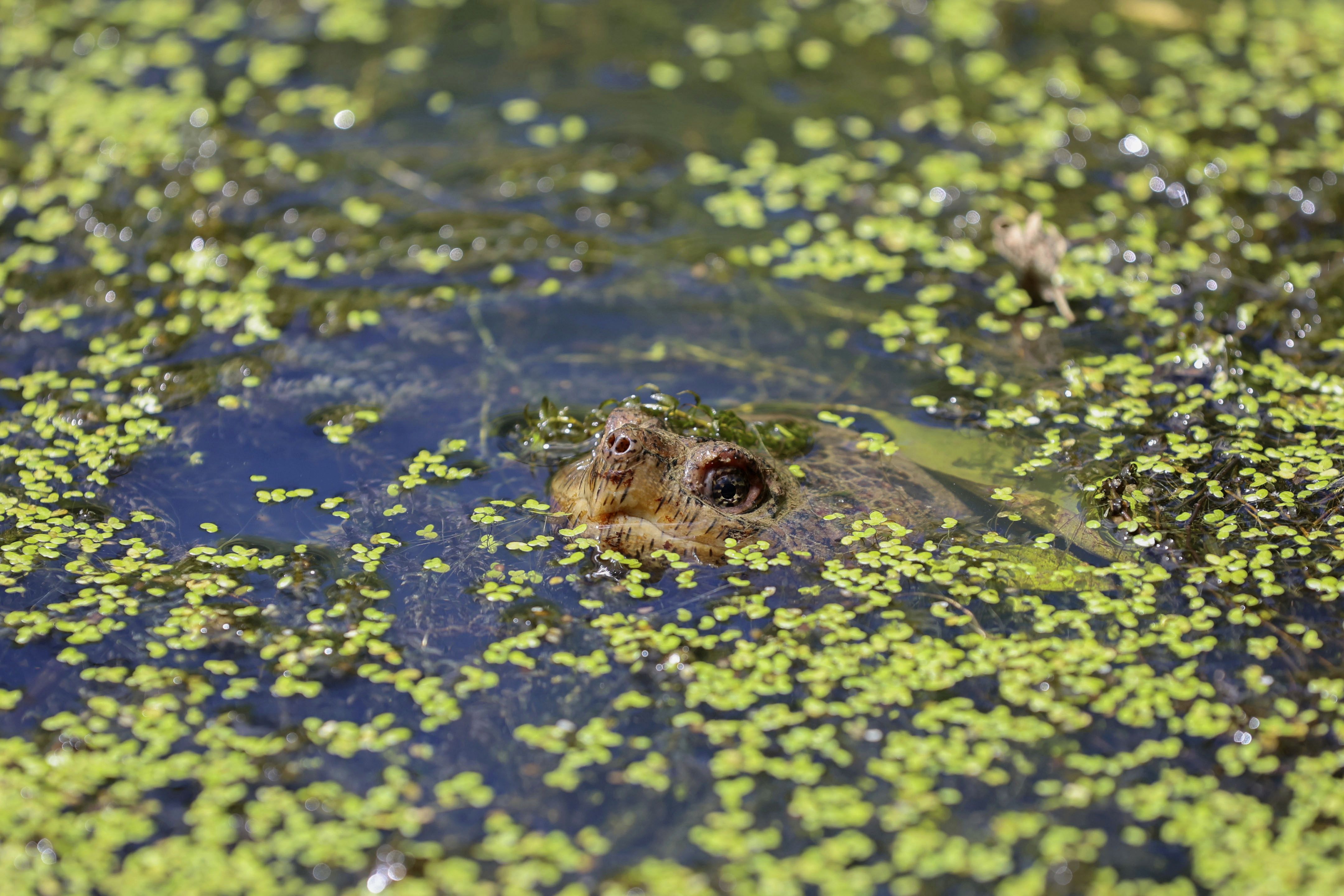
A turtle pokes its nose out of the water in the wetlands inside Sugar Hollow Park in Bristol, Va., in June. The Biden administration weakened regulations protecting millions of acres of wetlands Tuesday, saying it had no choice after the Supreme Court limited the federal government’s jurisdiction over them.