






Gardening Benefits Older Adults’ Health and Well-being | Guest column
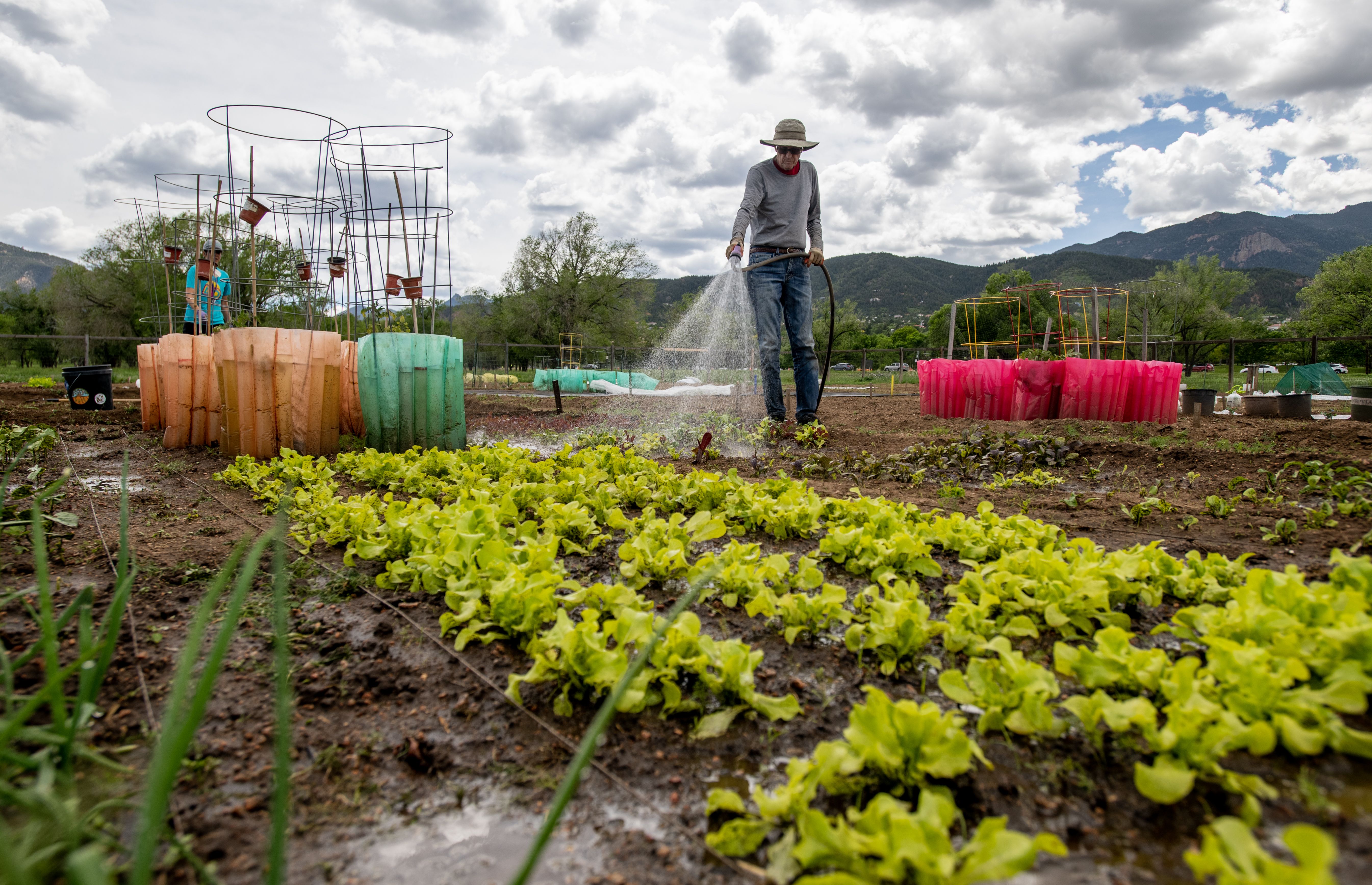
There are few things more glorious than early summer in the Rockies, as Colorado’s growing season hits high gear. The Charmaine Nymann Community Garden in Colorado Springs’ Bear Creek Park is buzzing with activity as volunteers watch over the seeds planted a month ago. The harvest is donated to organizations like Silver Key Senior Services to help reduce food insecurity in the community, but what the gardeners may not realize is they are also improving their own health and well-being. Gardening is an activity almost anyone can participate in and offers some surprising health benefits, especially for older adults.
Colorado University in Boulder recently published an article about the health benefits of gardening with scientific data compiled by The American Cancer Society. According to the study, the most significant benefits of gardening was a decrease in stress and anxiety among study participants, an increase in physical activity, and a tendency to consume more of the produce they grew that was high in fiber, all of which reduces your risk for developing cancer or a chronic illness. Research by the National Library of Medicine and Cambridge University has also consistently found gardening to be extremely beneficial to the health and well-being of seniors.
Physically, the tasks involved in nurturing plants like digging, raking, and weeding improve mobility by loosening up joints and muscles and building core strength for better balance and less risk of falls. There are a lot of mental health benefits from gardening as well. Older adults who garden report feeling less stress and anxiety, increased self-esteem as they watch the progress of their garden, and more mentally focused, which helps reduce their risk of developing dementia. Growing their own food encourages older adults to eat healthier in the form of more vegetables and fruit, too. Something as simple as a patio planter with a few herbs or flowers to tend can improve an older adult’s physical and mental health.
Many senior living communities such as our Jackson Creek Senior Living community recognize the health benefits of gardening for older adults and offer community gardens with raised garden beds and planters to encourage residents interested in growing flowers or vegetables an opportunity to do so regardless of mobility issues. We love seeing residents socializing with others and working together to nurture plants that grow into beautiful blooms or produce tasty tomatoes, peppers, or strawberries. The socialization, camaraderie, and satisfaction of seeing the literal fruits (or vegetables!) of their labor make having a gardening program important in senior living communities.
Elizabeth Girling is VP of operations for WellAge Senior Living, which manages Jackson Creek Senior Living in Monument. She has worked in senior living for years, including roles as assisted living director and executive director, and she is a certified Montessori Dementia Professional.
Larry Booth waters his plot at the Charmaine Nymann Community Garden in early June. Booth has been a member of the garden, which requires gardeners to grow organically, for more than 15 years. The plot fees include water and spring and fall tilling.
Elizabeth Girling