






Year-round gardening: Alternatives to Kentucky bluegrass for Colorado lawns
Editor’s note: This is the second in a two-part series about replacing a lawn with lower-water alternatives.
So, you’ve removed part or all of your thirsty Kentucky bluegrass lawn and need to replace it with something else … but what?
Maybe you’ve removed the turf on a slope or grass in a parking strip or another place in your yard that was difficult to maintain or water. Drought-tolerant plants, ornamental grasses and lower-water turfgrasses are viable alternatives that use less water.
Before choosing alternative plants, make a plan for the renovated area. Assess the amount of light this area receives so you can choose suitable plants with reduced water needs. For example, southern and western exposures that receive plentiful sunlight experience greater water loss, so select plants for these areas that thrive with less water and full sun. Consider terracing slopes to reduce runoff.
Once you have assessed the amount of light available, start considering alternatives for your turf, such as drought-tolerant trees, shrubs and perennials, which can reduce water use as well as the need for soil amendments or fertilizers. (New planting will require additional water during the establishment phase). Consider xeric ground covers for difficult areas such as dry slopes, parking strips or deeply shaded areas under trees and shrubs. Xeric ground covers such as creeping thyme might also “masquerade” as turfgrass.
Ornamental grasses are another alternative to Kentucky bluegrass. These grasses come in many drought-tolerant varieties, and most require three to five hours of direct sun a day. Ornamental grasses can add textural contrast, movement and vertical accents to the landscape, and are typically not bothered by pests. They can be left standing during the winter months to provide winter interest to the garden and can be cut back in the spring.
Lower-water turfgrass could be an alternative in small or heavily used areas of your landscape. Varieties such as buffalograss, blue grama, turf-type tall fescue, fine-bladed fescues and perennial ryegrass do well in Colorado. Research each option to find a suitable variety that provides the desired appearance.
Before planting in the renovated area, ensure that the lawn you’ve removed is completely dead. Test the soil to determine if amending the soil would be helpful. Reduce soil compaction in this area by using a spade or spading fork to gently lift the soil to aerate it.
When determining the irrigation needs for your renovated landscape, think about converting appropriate areas to drip irrigation, which reduces water use by delivering water directly to the root zone. Be sure to consider how trees that were previously part of the lawn will be irrigated.
Once you have planted the renovated area, don’t forget to mulch around your plantings. Mulch will help retain soil moisture and reduce soil compaction. Organic mulches will also improve the soil as they decompose.
Submit gardening questions to csumg2@ elpasoco.com or call 719-520-7684. The in-person help desk is open 9 a.m.-noon and 1-4 p.m. Mondays and Wednesdays at 17 N. Spruce St. Find us on Facebook at Colorado Master Gardeners-El Paso County.
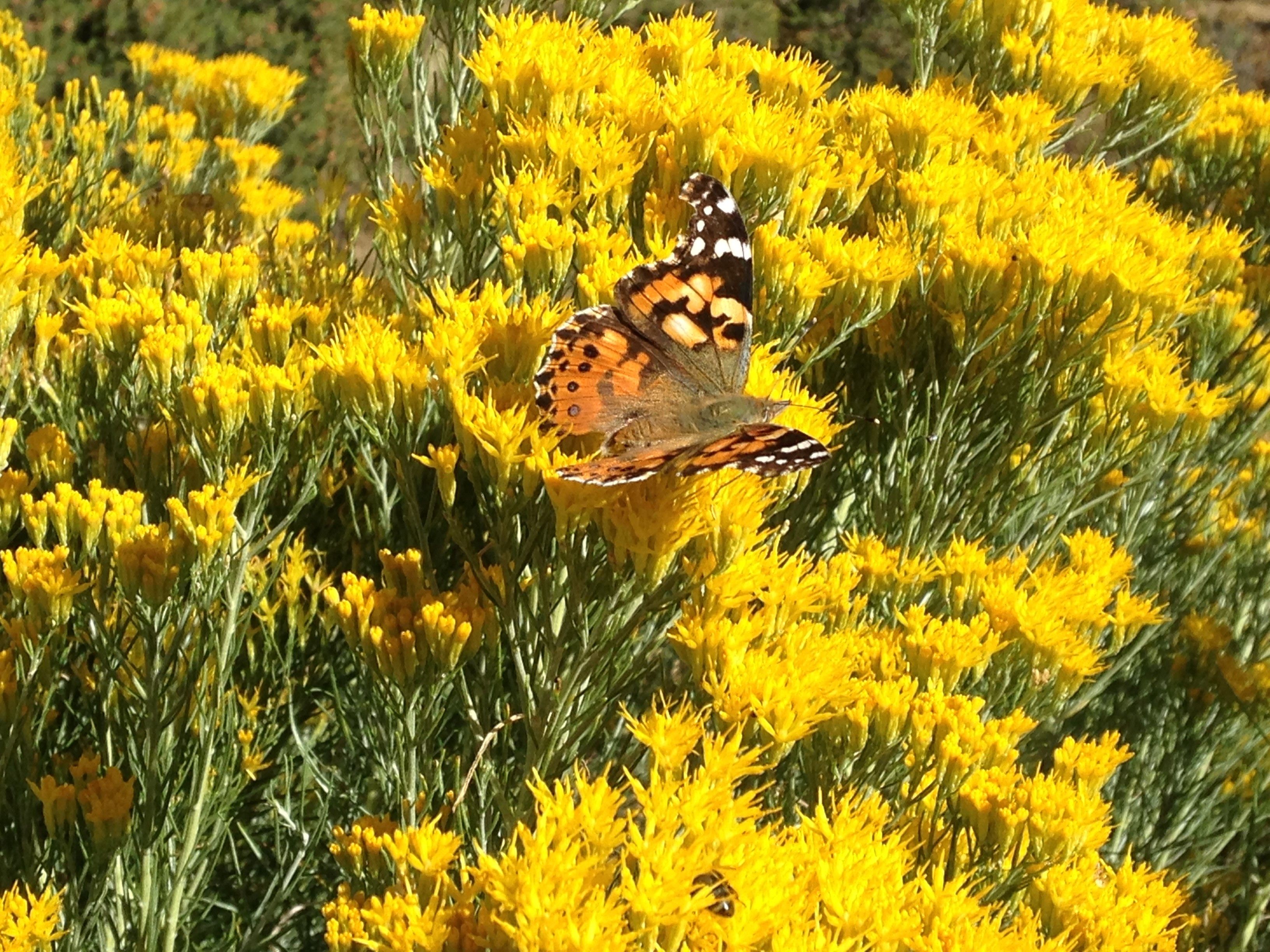
Incorporating native shrubs such as rabbit brush into your garden can be an exciting alternative to lawns.
