






Year-round gardening: Container gardening: the start to something bigger
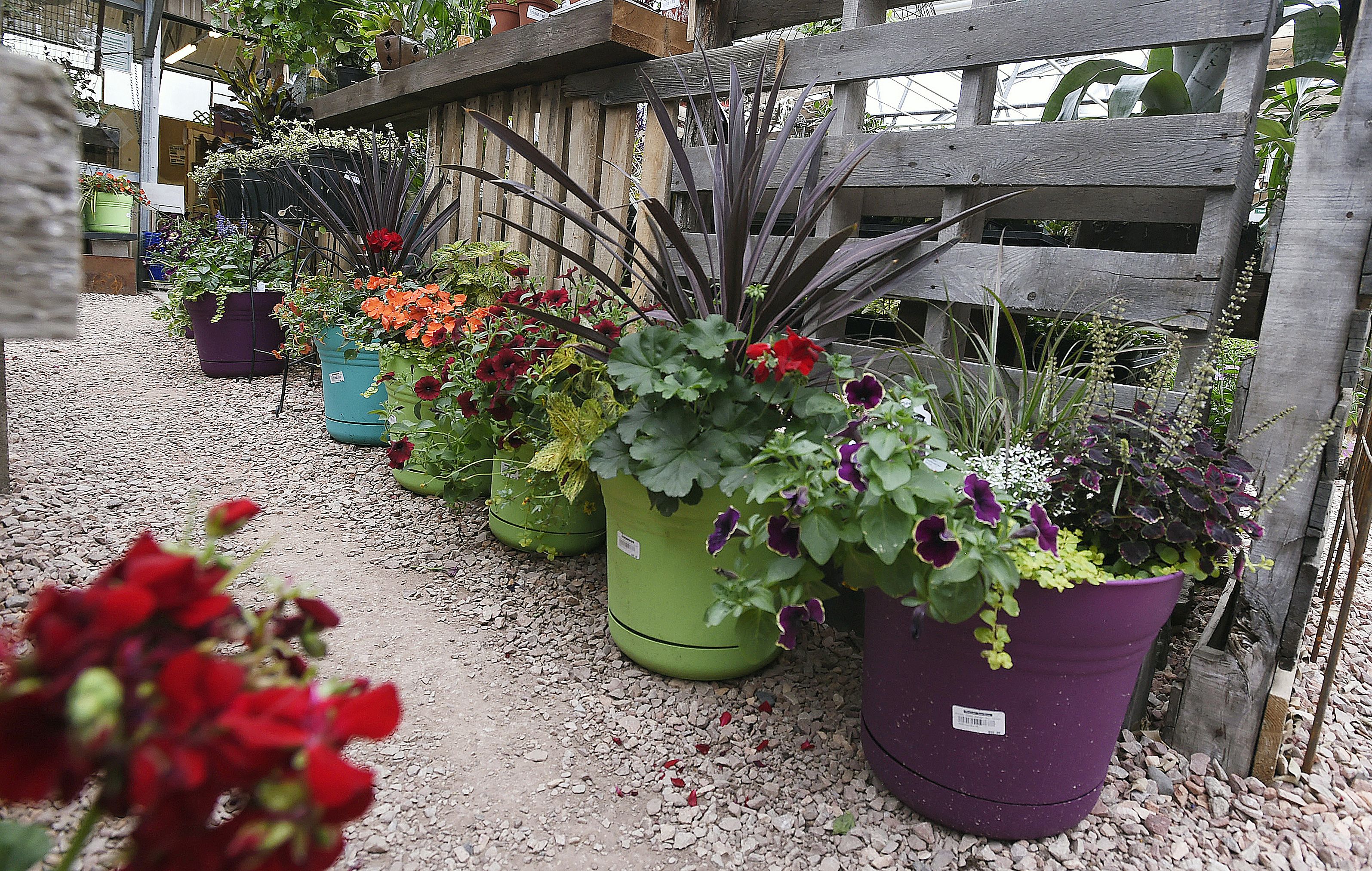
Container gardening is an increasingly popular way for home gardeners to grow their favorite vegetables, particularly when gardening space is limited.
Containers can be placed on a windowsill, patio, deck or balcony, or in any place where growing conditions are appropriate for producing vegetables. Most vegetables require full sun, although leafy greens can tolerate less than six hours of sun per day.
This type of gardening is an easy way to introduce children to the joys and rewards of vegetable gardening.
Just about any container can be used, but the most important thing to consider is drainage. Plants will not grow successfully in soil that is continually waterlogged. Do not put anything (e.g., rocks, broken pot pieces, etc.) in the bottom of the pot as layering materials in a container actually impedes drainage. Water moves best through a continuous column of soil mix.
Many vegetables, herbs and flowers will not be productive if they are allowed to wilt, so remember that container gardens require more frequent watering. Plastic containers do not dry out as quickly as ceramic or clay. However, even plastic containers may require daily or twice daily watering as plants grow larger, and summer heat increases.
Do not allow containers to dry completely or fine roots will die.
Use a good potting soil with a slow-release fertilizer that will help your plants get nutrients for two weeks. After that, you’ll need to fertilize your vegetable plants every two to four weeks with a complete fertilizer with twice as much phosphorus as nitrogen or potassium such as 10-20-10 or 12-24-12.
If you want to grow organically, liquid kelp, seaweed, or fish-based fertilizers are excellent choices for container-grown plants.
Almost any vegetable that will grow in a typical backyard garden will also do well as a container-grown plant. However, variety selection is extremely important. Learn more at https://extension.colostate.edu/docs/pubs/garden/07238.pdf
Email gardening questions to csumg2@elpasoco.com. For more information, visit facebook.com/ ColoradoMasterGardeners.EPC. To sign up for classes, go to epcextension.eventbrite.com.
Variety (container size, number of plants)
Broccoli (2 gallons, 1 plant) — Packman, Bonanza, others
Carrot (1 gallon, 2-3 plants; note: use pots 2 inches deeper than the carrot length) — Scarlet Nantes, Gold Nugget, Little Finger, Baby Spike, Thumbelina
Cucumber (1 gallon, 1 plant) — Burpless, Liberty, Early Pik, Crispy, Salty
Eggplant (5 gallons, 1 plant) — Florida Market, Black Beauty, Long Tom
Green Bean (2 gallons minimum, space plants 3 inches apart) — Topcrop, Greencrop, Contender, (Pole) Blue Lake, Kentucky Wonder
Green Onion (1 gallon, 3-5 plants) — Beltsville Bunching, Crystal Wax, Evergreen Bunching
Leaf Lettuce (1 gallon, 2 plants) — Buttercrunch, Salad Bowl, Romaine, Dark Green Boston, Ruby, Bibb
Pepper (5 gallons, 1-2 plants) — Yolo Wonder, Keystone Resistant Giant, Canape, Red Cherry (Hot), Jalapeno
Radish (1 gallon, 3 plants) — Cherry Belle, Scarlet Globe, (White) Icicle
Spinach (1 gallon, 2 plants) — Any cultivar
Squash (5 gallons, 1 plant) — Dixie, Gold Neck, Early Prolific Straightneck, Zucco (Green), Diplomat, Senator
Tomato (5 gallons, 1 plant) — Patio, Pixie, Tiny Tim, Saladette, Toy Boy, Spring Giant, Tumbling Tom, Small Fry
Source: agrilifeextension.tamu.edu
Container plants at Phelan Gardens. Gazette file.
