






Biden, Putin children open targets in sanctions over Ukraine
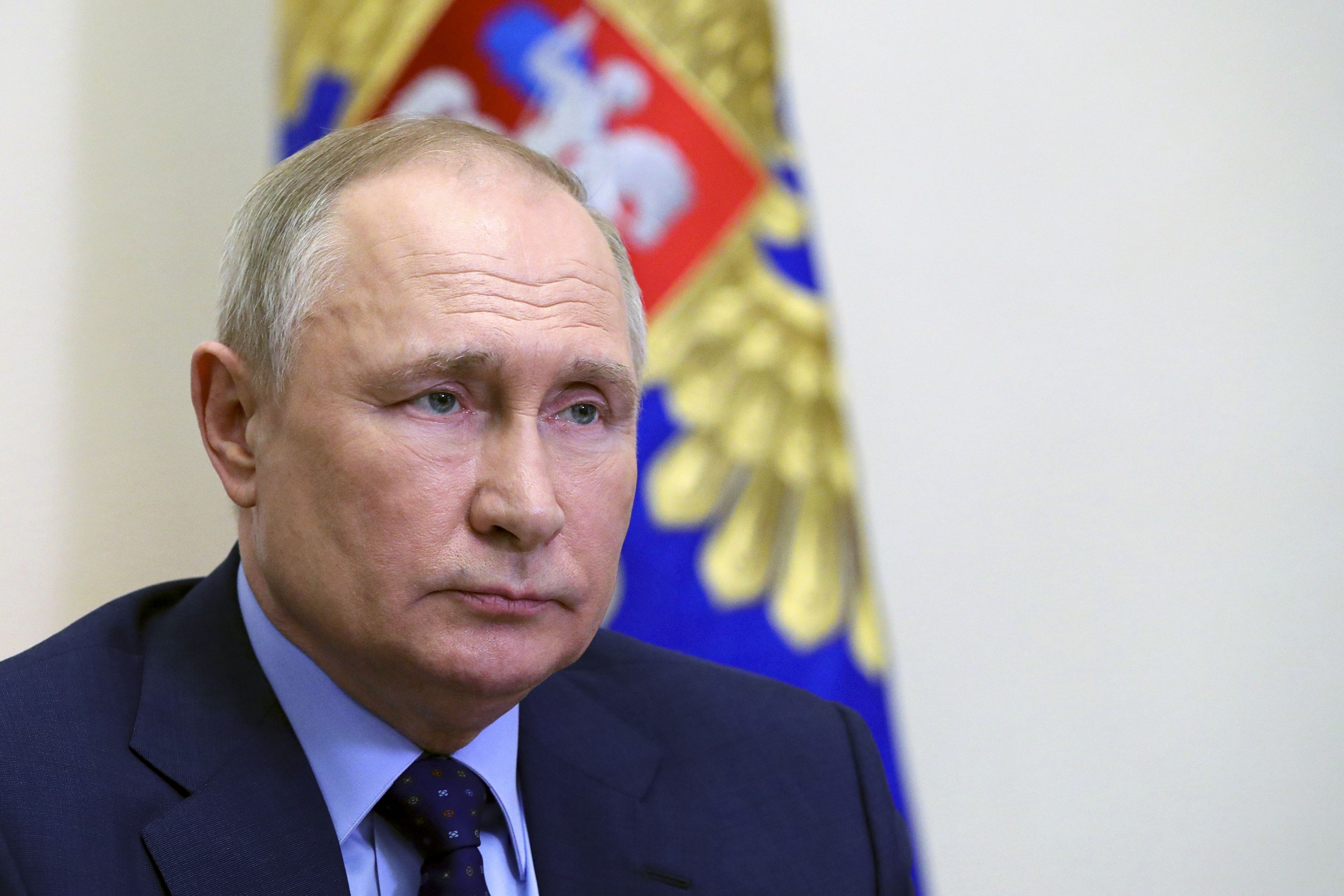
WASHINGTON • In targeting Vladimir Putin’s adult daughters with sanctions over Russia’s invasion of Ukraine, the Biden administration ripped aside the privacy Putin has long maintained over his closest ties — avoiding mention of the two women’s full names in public, and most other references to them as well.
The sanctions imposed on immediate family members of Putin and other Russian oligarchs also showcase improved techniques of the U.S. and its allies targeting individuals for financial penalties.
In Russia in particular and in autocracies around the world, sanctioning family members is often essential to making sure financial penalties have the desired punch. Powerful and wealthy leaders often employ the tactic common to many tycoons of putting assets under the names of spouses, children and others.
“We generally want to hold accountable those who have enriched themselves at the expense of the Russian state and elevated their family members into some of the highest positions of power in the country,” said Morgan Finkelstein, a spokesperson for the Treasury Department.
“But also, we know that oligarchs and other sanctioned elites often try to move money or hide assets via family members or other associates,” she said.
The U.S. announced Wednesday that it would target the assets of Putin daughters Katerina Vladimirovna Tikhonova and Maria Vladimirovna Vorontsova.
Bill Browder, an influential longtime campaigner for sanctions over Russia’s human rights abuses, said the move was “sort of an obvious thing, particularly in … the Russian kleptocratic system.”
“You can’t just sanction the principal, you have to sanction the family because the family owns a lot of the assets of the principal,” Browder said.
“We’ve seen this in so many different cases now.”
In the case of Putin, expanding what are already thousands of Western sanctions over Russia’s war to include Putin’s family may sting him personally, but not prove much of a threat to his wealth.
Putin — no stranger to fears of concerted Western moves against him — is believed to have taken care to have stashed much of his estimated $200 billion or more with the Russian oligarchs he helped enrich, says Browder, whose decades-long campaign has reshaped the U.S. global sanctions regime overall.
Sanctions against oligarchs’ family members started to ramp up in early March, when the U.S. specifically targeted wives and daughter of oligarchs. Oil executive Nikolay Tokarev’s family members — including his wife, Galina Tokareva, and daughter, Maiya Tokareva — were said to have benefited from his proximity to Putin and the Russian government and were also hit by the sanctions. Maiya Tokareva’s real estate empire in Moscow has been valued at more than $50 million, according to Treasury.
One reason family members are increasingly being targeted is that recently passed anti-money-laundering legislation helps federal officials unveil the true owners of property.
The targeting of family members goes both ways.
Russia recently imposed a travel ban on President Joe Biden’s son, although that was seen as more of a symbolic insult, at most.
White House press secretary Jen Psaki was dismissive in comments to reporters after Russia imposed its travel ban in mid-March against administration officials, as well as Hunter Biden and Hillary Clinton. “It won’t surprise any of you that none of us are planning tourist trips to Russia,” she said.
The Biden administration and administrations before it have included children and spouses of other countries’ leaders in sanctions. That includes Biden administration sanctions against family members of military officers in the 2021 coup in Myanmar, and Trump administration sanctions against the son of Venezuelan President Nicolás Maduro.
Kim Richard Nossal, a political science professor at Queen’s University in Ontario, said financial penalties against children of the wealthy and powerful were in a special category of ethical considerations.
“Generally speaking, if my father commits a crime, it’s always wrong to punish me,” Nossal said.
“But if my father commits a crime and I benefit from it, most people would say it’s entirely appropriate for the community to limit the benefits I get from someone else’s wrongdoing.”
Russian President Vladimir Putin chairs a Security Council meeting Thursday via video conference at the Novo-Ogaryovo residence outside Moscow.
