






Year-round gardening: Growing backyard grapes in Colorado
Colorado is not well-known as a grape-growing region, but Front Range gardeners can still grow great grapes for making juice, jam, jelly and eating fresh off the vine. The key is to plan ahead for weather extremes with smart site selection and to choose grape varieties that do well in this region.
• Select a sunny site for planting, preferably a warm, protected area, south-facing if possible. The site needs a convenient water source, separate from lawn irrigation, so you can control the amount of water applied.
• Select short-season grape varieties, 150 days or less, and plan on providing protection for autumn frosts. Saint Theresa Seedless Grape, a sweet table grape, is a Plant Select recommendation for this region. Other table grape varieties to grow in Colorado include Canadice, Himrod, Catawba, Concord, Reliance, Swenson Red and Swenson White.
• In early spring, purchase bare-rooted plants; if potted grapevines are selected, plant them in May or June.
• Trim roots to 6-12 inches.
• Soak the vines in water for 3-4 hours.
• Dig a hole in well-drained, salt-free soil, at least 3 feet deep and wide enough to spread the plant’s roots
• Space vines at least 6 feet apart.
• Remove all canes except the most vigorous one.
• Place the vine in the hole, and cover roots completely with soil,
• The lowest bud on the cane should be just above the soil surface.
• Tie shoots loosely to a training stake.
• Keep new vines well-watered for the first year to ensure development of a healthy root system.
Grapes will be produced in the third year; by the fourth or fifth year, vines should be at full production.
Grapevines grow vigorously and need a nutrient boost each year. For the first two or three years, apply compost around the base in early spring.
A common mistake is not pruning the vines, or pruning them incorrectly once they’re established. Begin pruning in the third year to ensure the vines receive enough sunlight for the grapes to ripen.
Expect grape harvests in August or September, depending on the variety. Mulch vines heavily in winter to mitigate fluctuating temperatures and drying winds. Remove mulch in summer.
Start now and, with some care, you’ll be able to enjoy leafy grapevines in summer, delicious grapes in fall and attractive bare vines for winter interest.
Email gardening questions to csumg2@elpasoco.com. For more information, visit facebook.com/ ColoradoMasterGardeners.EPC. To sign up for classes, go to epcextension.eventbrite.com.
Follow these steps to ensure healthy and productive grape vines:
Tasks When to do them
For existing vines, prune before growth starts March
Plant bare root grapevines as soon as soil can be worked April-May
Rub off any shoots that start growing lower on the trunk April-June
Tie new growth to trellis as needed April-August
Inspect vines to catch disease and insect problems April-October
Plant potted grapevines after threat of frost has passed May-June
As fruit ripens, watch for bird damage; cover with netting if needed September-October
Harvest fruit based on color and flavor September-October
Clean up all fallen leaves, fruit and debris October-November
Source: https://extension.umn.edu/fruit/growing-grapes-home-garden
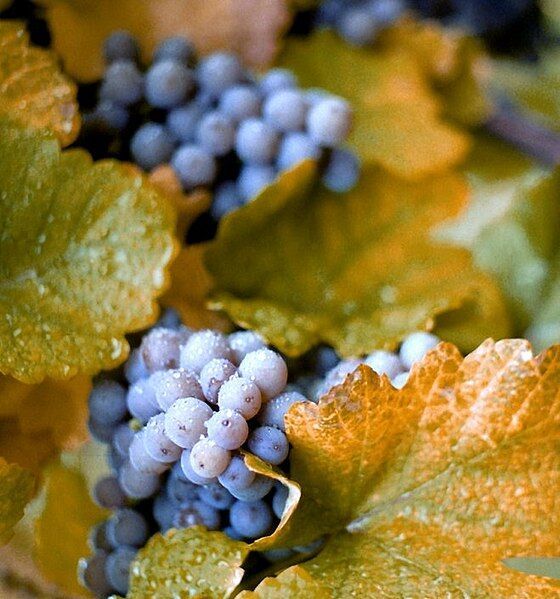
Concord grapes on the vine. Public domain photo via Wikimedia Commons.
