






Texas primary: Abbott, O’Rourke win nominations for governor
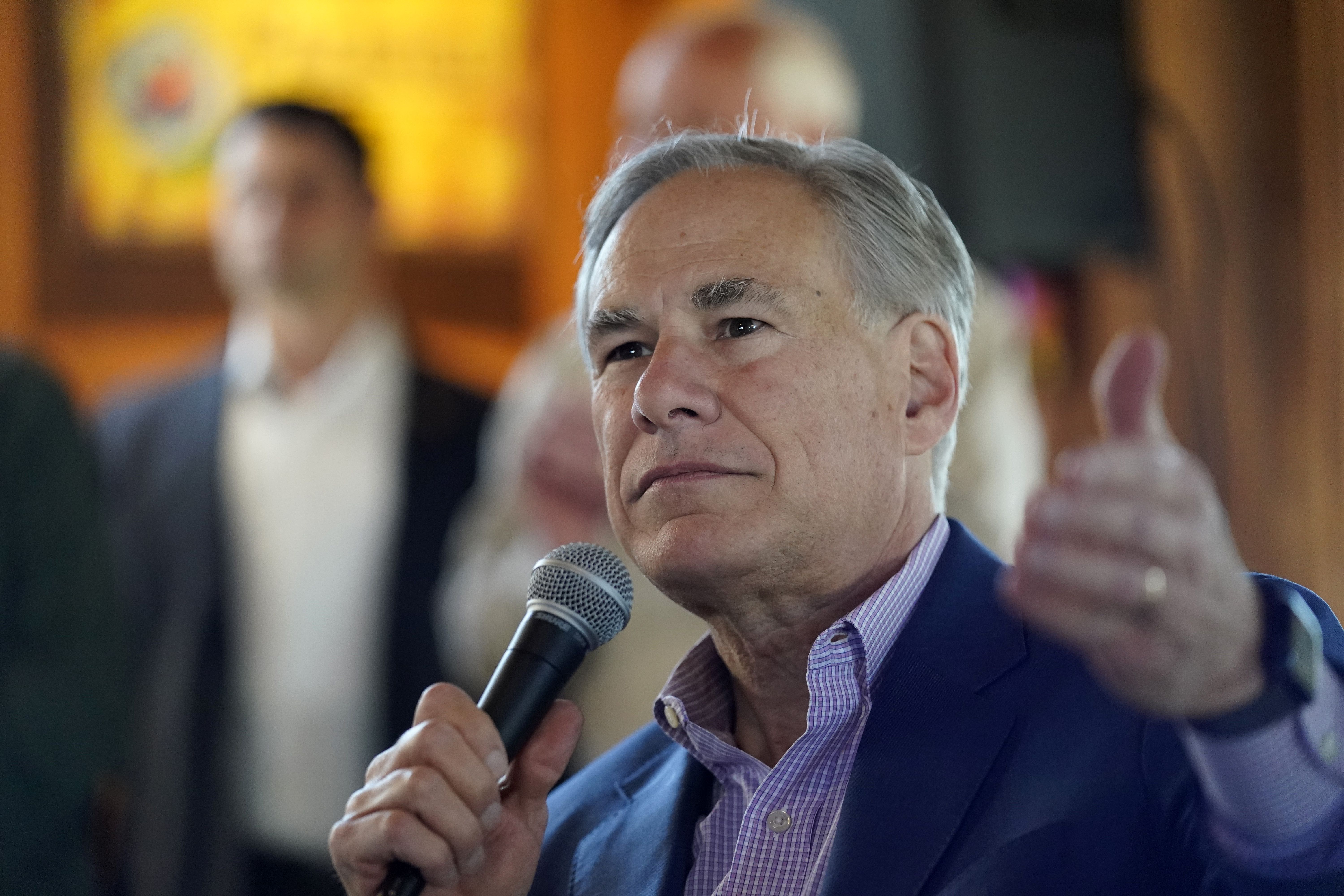
AUSTIN, Texas • Texas Republican Gov. Greg Abbott easily bested a group of conservative challengers to lock up his party’s nomination Tuesday, and will face Democrat Beto O’Rourke in the November general election.
O’Rourke nearly ousted Texas Sen. Ted Cruz in 2018 will get the chance to try for an even bigger upset in November. He’ll be an underdog against Abbott, who began the campaign with more than $50 million and staking out hard-line positions on abortion guns and immigration.
Some of those casting ballots, however, said they were worried about new restrictions on abortion that are the toughest in America going too far.
“That’s where I think Greg Abbott and the current Republicans kind of crossed the line,” said Eric Medrano, 25, a longshoreman in Houston who voted for one of Abbott’s far-right challengers, Don Huffines. He added, “I don’t believe (abortion) should be banned at such an early, early stage.”
In the GOP attorney general primary, incumbent Ken Paxton is facing several challengers, including Texas Land Commissioner George P. Bush, the nephew of one president and grandson of another, and U.S. Rep. Louie Gohmert. Paxton led a failed lawsuit to overturn the 2020 election and has for years faced securities fraud charges and an FBI investigation into corruption allegations. He has broadly denied wrongdoing.
Democrats face challenges of their own. Nine-term U.S. Rep. Henry Cuellar is hoping to avoid becoming the first Democratic member of Congress to lose a primary this year. He’s facing progressive Jessica Cisneros and is contending with the fallout of a recent FBI raid on his home, though he’s denied wrongdoing.
Still, in America’s largest Republican state, much of the focus is on the GOP’s rightward lurch.
Texas’ rapid growth — driven by more than 4 million new residents — has shifted once solidly red suburbs away from Republicans. But the GOP has countered that with redrawn maps that left fewer competitive congressional districts along with dramatic new voting restrictions.
Thousands of mail-in ballot applications — and actual ballots — were rejected under the new requirements. Most of those were due to voters not including newly mandated identification, worrying local elections officials that many won’t correct problems to have their vote count.
“Just common sense will tell you there is going to be a number of people who don’t cure that ballot,” said Bruce Sherbert, the nonpartisan election administrator in Collin County, in Dallas’ northern suburbs.
Absent poll workers and technical hiccups also caused isolated delays in two major cities Tuesday.
In Houston, morning voters were left standing in line or looking for polling places after a Harris County website that directs people to nearby voting sites went down temporarily.
Also, a handful of Democratic poll workers in Fort Worth did not show up as scheduled, delaying the opening of some party polling places in Tarrant County. New state law requires each party to have a separate setup at voting sites.
The primary is also a first test of Republicans more aggressively courting Hispanic voters — and even before polls closed, they were celebrating.
Counties along the state’s border with Mexico, long a stronghold for Democrats, were on track to smash Republican turnout levels compared with recent elections. It is the latest warning sign for Democrats who are trying to hold the line with Hispanic voters who swung toward former President Donald Trump in 2020.
Texas votes as the nation slowly moves out of the deepest lows of a pandemic that has raged for nearly two years.
But that’s tempered by inflation reaching a decades-high level and a burgeoning war in Europe. There are also persistent questions about the country’s commitment to basic democratic principles after many GOP leaders have tied themselves to Trump’s lie that the 2020 election was stolen.
Texas Gov. Greg Abbott speaks during a campaign stop last month in San Antonio.