






Lincoln helped heal a divided country
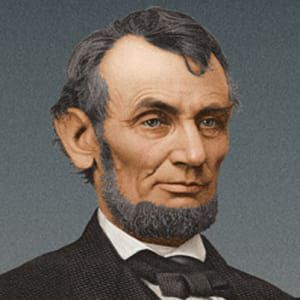
Saturday is Abraham Lincoln’s birthday, and it may be appropriate to reflect upon a speech by him during the darkest days of the Civil War where he sought to inspire hope and faith while also setting forward a vision of our country and its people united again.
At the time of his speech our nation was deeply divided and even more polarized than it is today. The remarks were delivered in the midst of the war when our nation was split between two factions that pitted family and friends against each other in the bloodiest struggle in our nation’s history.
On November 19, 1863 President Lincoln was asked to make some brief remarks at Gettysburg which was one of the sites of the greatest battles during the war. He was asked to help in memorializing the site where over 7,000 soldiers had lost their lives and dedicate the hallowed ground as a cemetery for those that perished there.
President Lincoln was not the featured speaker on that day; it was Edward Everett, one of the most well-known and best orators of that period. Everett preceded Lincoln and spent two hours eloquently speaking on the history of battle through the ages filled with stories of prior heroes and making a strong case for patriotism that brought many in the audience to tears.
Following Everett, Lincoln rose with his tall, lanky frame towering over others on the stage and he pulled a handwritten sheet of his remarks from his coat that he had revised as late as the prior evening.
In his remarks Lincoln sought to honor those who had fallen there and also inspire those attending and the entire country as to the importance of our nation and the values that it was predicated upon. He recognized at the same time that the war was far from over and wished to remind the public, who was becoming weary of it, of the importance of completing the task. Finally, his words at Gettysburg sought to lay a foundation for the healing process that was critical toward reuniting the country,
The speech that he delivered, the Gettysburg Address, was short, spanning a little over two minutes with a total of 272 words. The crowd was surprised by the brevity of the address and at its end provided only perfunctory applause. While short, the ideas and views within it clearly were ones that had been well thought out by Lincoln and came from the heart.
Many at the event though did not view the speech as being one having any great historic significance. Even Lincoln, himself, felt that the speech missed the mark. After delivering his remarks, he expressed regret to a friend seated next to him, commenting that the speech was “a flat failure, and the people are disappointed.”
Some believe that the lack of appreciation for the address at that time may be attributed to the fact that Lincoln followed one of the best speakers in the country and his voice and delivery fell far short of that gifted orator. Others believe the brevity of the speech took the crowd by surprise. In fact, the short presentation did not even allow photographers enough time to get set up so there are no photographs of his speech.
Reaction to the Gettysburg Address in the following days after it was printed in numerous newspapers across the country was generally mixed. Supporters of the President gave rave reviews while opponents spoke with disdain noting its briefness and inappropriateness in their eyes. The significance and importance of the speech really did not set in until a number of years later. In fact Lincoln at the time of his death did not believe that the Gettysburg Address would be viewed in any historic context. It wasn’t until the nation’s 100th anniversary in 1876, as historians and the public reflected upon our country’s relatively short history and the importance of Lincoln’s leadership during the Civil War, that the speech really came to be appreciated. The Gettysburg Address was then recognized by many as Lincoln’s greatest speech and one of the most famous ones in our history.
While it may appear to many today that our country is deeply divided along different party or ideological lines, let us remember that the ability to express differing opinions and debate those viewpoints without fear of repression is a hallmark of democracy. While this process may be painful and chaotic at times, it also has been critical in shaping our country’s history.
The last words in the Gettysburg’s address “we here highly resolve that these dead shall not have died in vain-that this nation, under God, shall have a new birth of freedom-and that government of the people, by the people, for the people shall not perish from the earth” are ones that should provide some solace and hope for us during this troublesome period. The fact that our nation came together after what was the most divisive time in our history and had “a new birth of freedom” after it, should give us confidence as to our nation’s resiliency and ability to come together and become an even greater republic and beacon for others in the world.
Greg Fulton is the president of the Colorado Motor Carriers Association, which represents over 600 companies directly involved in, and affiliated with trucking in Colorado.