






Colorado snow totals: More than 2 feet of snow lands in parts of state
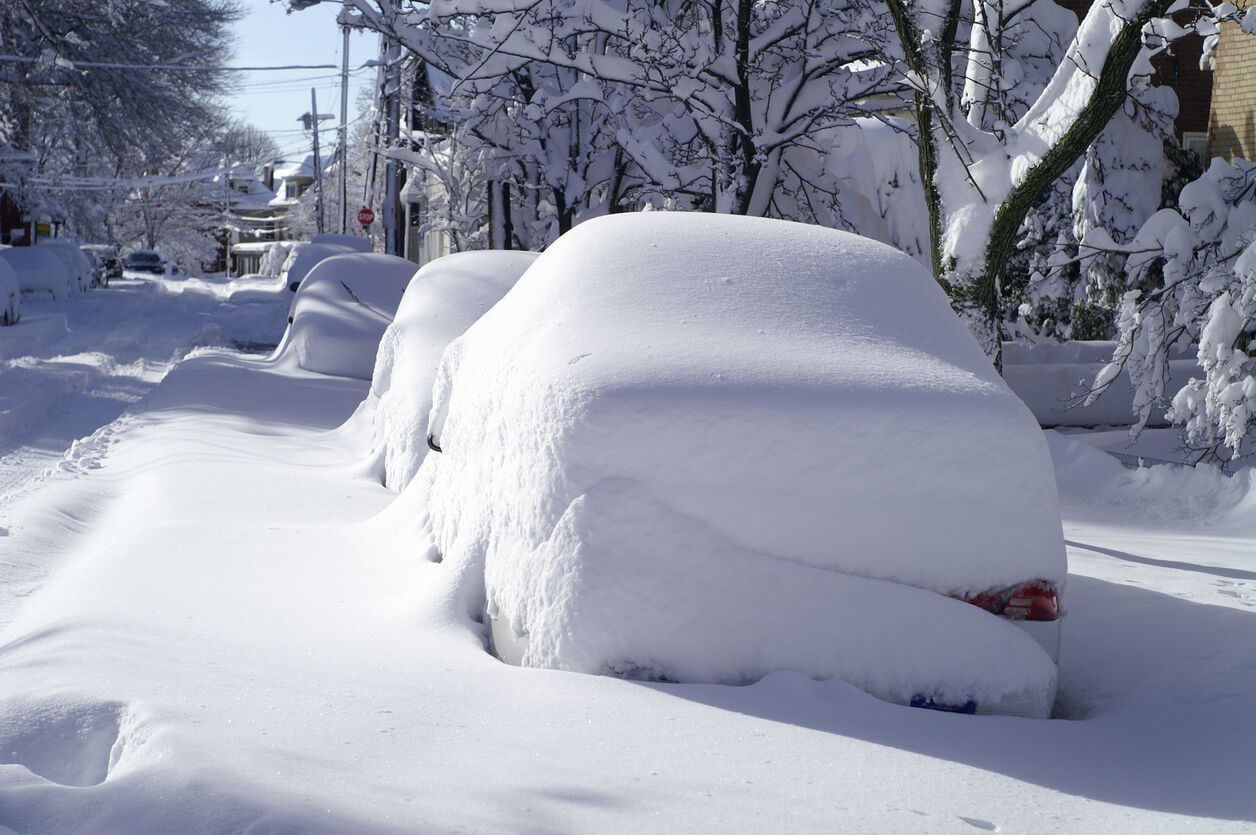
Colorado just got slammed with snow.
With more than 20 inches of snow predicted to fall in Colorado between Monday and Tuesday, it’s looking like up to 24 inches of snow have already hit the southern mountains. Other parts of the state got less, though totals were still high, with up to 12 inches reported in parts of the central mountains and around 6 to 8 inches in the northern mountains. Snow is expected to continue for a few more hours.
Here’s a look at how much snow fell in various areas around Colorado from Monday through Tuesday morning, according to the National Weather Service.
1. Wolf Creek Pass: 25 inches
2. Mount Crested Butte: 10.5 inches
3. Creede: 9 inches
4. Steamboat Springs: 8.5 inches
5. Pagosa Springs: 8.3 inches
6. Coal Bank Pass: 8 inches
7. Cattle Creek: 8 inches
8. Glenwood Springs: 7.2 inches
9. Salida: 7 inches
10. Vallecito: 7 inches
11. Westcliffe: 7 inches
12. Leadville: 6.7 inches
13. Sawpit: 6.3 inches
14. Craig: 6.2 inches
15. Gypsum: 6 inches
16. Antero Reservoir: 6 inches
17. Pitkin: 6 inches
18. Monarch Pass: 6 inches
19. Silverton: 6 inches
20. Molas Pass: 6 inches
21. Red Mountain Pass: 6 inches
22. Fairplay: 5.7 inches
23. El Jebel: 5.6 inches
24. Carbondale: 5.5 inches
25. Rangely: 5.5 inches
26. Estes Park: 5 inches
27. Kremmling: 5 inches
28. Calhan: 4.3 inches
29. Eagle: 4 inches
30. Frisco: 4.1 inches
31. Wray: 4.1 inches
32. Fruita: 4.1 inches
33. Vail: 4 inches
34. Gunnison: 4 inches
35. Durango: 4 inches
36. Dinosaur: 4 inches
37. Vail: 3.9 inches
38. Cañon City: 3.7 inches
39. Ridgway: 3.5 inches
40. Silver Plume: 3 inches
41. Grand Junction: 3 inches
42. Ouray: 3 inches
43. Fort Collins: 2.7 inches
44. Denver: 1.9 inches
45. Colorado Springs: 1.5 inches
As expected, the big snow totals have resulted in numerous closures around the state. Read more here.
Editor’s note: These totals are reported in a rolling manner and may be updated throughout the day. Totals are also restricted to set locations, most of which are by areas of population. Totals in more remote, mountainous areas are likely much higher. See additional information and updates here.


