






If I were Jeff Bezos | Northeast Notes
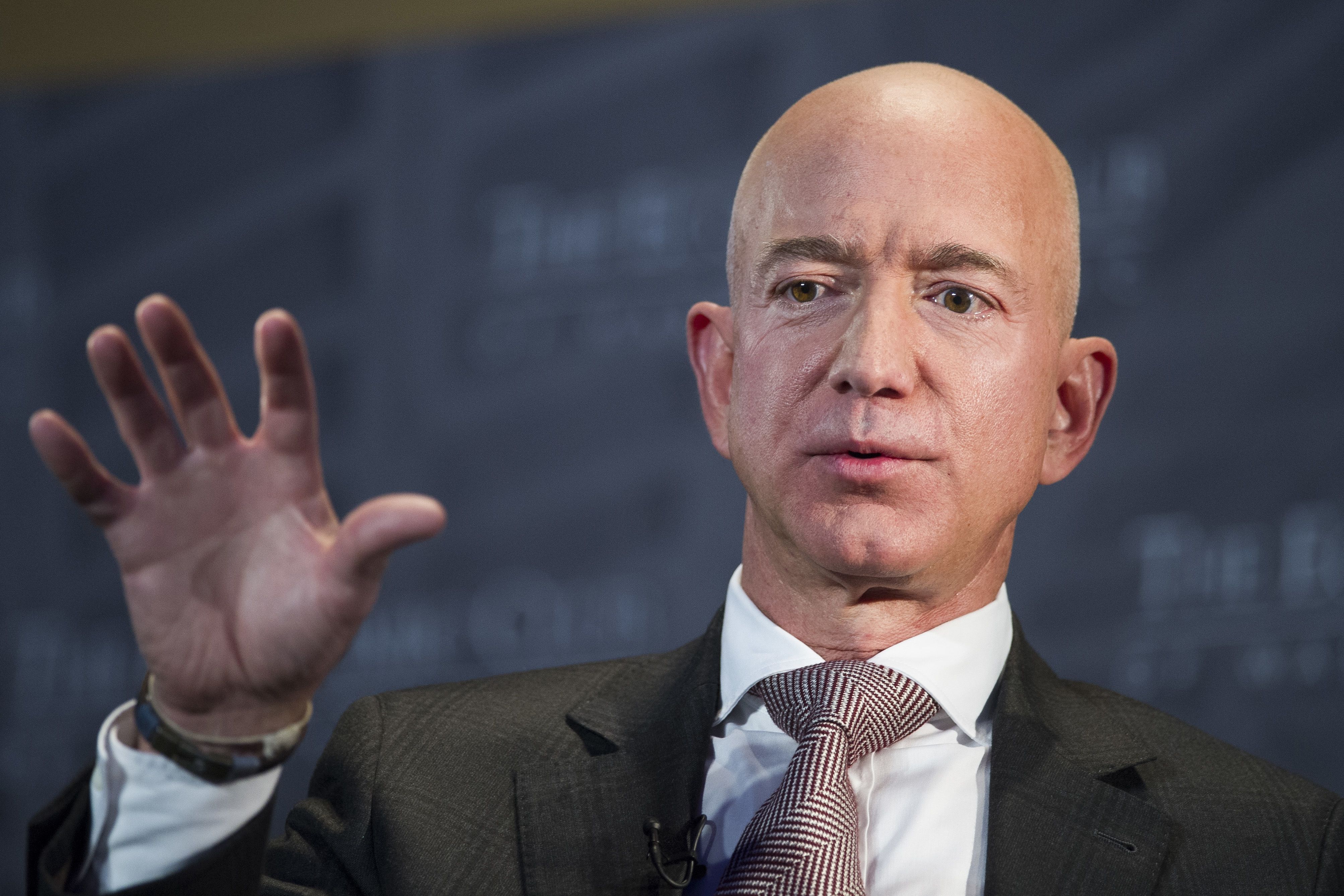
Jeff Bezos is 56 years old, divorced, and has three sons and a daughter. During high school, he worked at McDonald’s as line cook and was the valedictorian of his senior class. He graduated summa cum laude from Princeton University with a Bachelor of Science degree in electrical engineering and computer science.
After a few years in the workforce, Bezos quit his job to create an online bookstore. In 1994, with $300,000 borrowed from his parents, Bezos started Amazon in his garage. Fast forward to 2020. In addition to Amazon, Bezos owns The Washington Post, Zappos, Whole Foods, a space exploration company called Blue Origin, and over a dozen other companies.
In late July, just days before federal unemployment benefits expired, Bezos’ net worth jumped $13 billion in one day, a record for the largest increase for an individual. That’s more than 4,000 times the amount earned on average by Americans over their lifetime. If Bezos punched the clock, he would be earning approximately $150,000 per minute, which equates to around $2,489 per second. This amount of $2,489 is more than twice what the average American worker earns in one week. Bezos’ total net worth is currently estimated at about $188 billion.
During the pandemic, Amazon grew even faster than before because as people stayed home, they did more of their shopping online. Now, Amazon trucks seem to be on the roads more than FedEx, UPS and the U.S. Postal Service. Amazon employs over 600,000 people in the U.S. and next summer, a new Amazon fulfillment center will open near the Colorado Springs Airport. The four-story building will become Amazon’s largest fulfillment center and will employ over 1,000 workers. Amazon plans to pay $15/hour for full-time workers and since Colorado’s minimum wage is $11.10/hour, positions will likely fill quickly.
As national unemployment rises, there has been an increase in the rate of apartment evictions and home foreclosures. The Aspen Institute estimates that by October, one in five American renters could face eviction. In April, Labor Department figures indicated that fewer than half of all Black Americans were employed, the lowest rate in 40 years.
An even greater disparity is illustrated in statistics about homeownership in America. According to Time magazine, in the first quarter of 2020, 74% of white people owned their homes compared with only 44% of Black people. Discriminatory practices in homebuying and mortgage financing have contributed to this disparity. According to one study, in 2016 the median Black household wealth was just over $13,000 while the median white household wealth was nearly $150,000. Since the pandemic began, this inequality has become shockingly apparent in the rise of homelessness and has revealed startling differences in people’s ability to withstand the devastating economic effects. Income inequality, social injustice, racial discrimination and a multitude of problems face our nation on a greater scale than ever before.
Imagine if Bezos’ staggering wealth was put to good use to tackle these problems.
Bezos has been criticized for not donating more of his wealth than many of the world’s richest individuals, so let’s look at his track record. He began in 2011 with a $10 million donation to establish the Bezos Center for Innovation at the Museum of History & Industry in Seattle. He gave $15 million to the Princeton Neuroscience Institute and $2.5 million to Washington United for Marriage which spearheaded same-sex marriage legislation. Bezos gave $500,000 to WorldReader, which provides e-books and e-readers to children in underdeveloped countries, and $1 million to Mary’s Place, an organization providing services to the homeless.
As Bezos increased his philanthropic efforts, he gave $33 million to TheDream.Us which provides college scholarships to immigrants and $10 million to WithHonor, a PAC for military veterans running for Congressional offices. In 2018, Bezos started the Bezos Day One Fund with $97 million for educational programs for homeless children and then donated $98.5 million to organizations in 32 states which focus on shelter and support for families. Next, he earmarked $10 billion for climate change efforts through the new Bezos Earth Fund. We’ll see what he does in the future.
If I worked as Bezos’ Director of Philanthropic Giving, I would focus on basic needs like food and clean water. An estimated one in seven people go to bed hungry each night. Since Whole Foods is part of the Bezos empire, we could ensure that every rural town and city in the country has a grocery store (or Whole Foods) within a reasonable distance and eliminate food deserts. We could reduce prices and provide free delivery to the elderly. We could ensure that every school has enough food to provide breakfast and lunch as well as meals for kids to take home to their families. We could fully fund food banks and community centers. We could tap into community leaders across the country and fund the best approaches to affordable housing. There would be generous grants to agencies that serve the homeless such as The Place (formerly Urban Peak), Marian House, and the Salvation Army shelters.
We would spearhead a national initiative to end homelessness. This initiative could include strategies and infrastructure to ensure access to affordable healthcare including mental health services and family planning programs. Thousands of mental health professionals would be trained and new community clinics would be built. With other funds from the Bezos fortune, we could ramp up job training programs, after-school care and tutoring, and provide millions of college scholarships. In my imagination, that’s what the future could look like. If only I had Jeff Bezos’ fortune in my hands.
Julie Richman is a freelance writer, project manager and consultant. She and her family have lived on Colorado Springs’ northeast side for 21 years. Contact Julie with comments or ideas for her column at woodmennotes@pikespeaknewspapers.com.
FILE- In this Sept. 13, 2018, file photo Jeff Bezos, Amazon founder and CEO, speaks at The Economic Club of Washington’s Milestone Celebration in Washington.