






U.S. kicking NATO ally Turkey out of fighter program
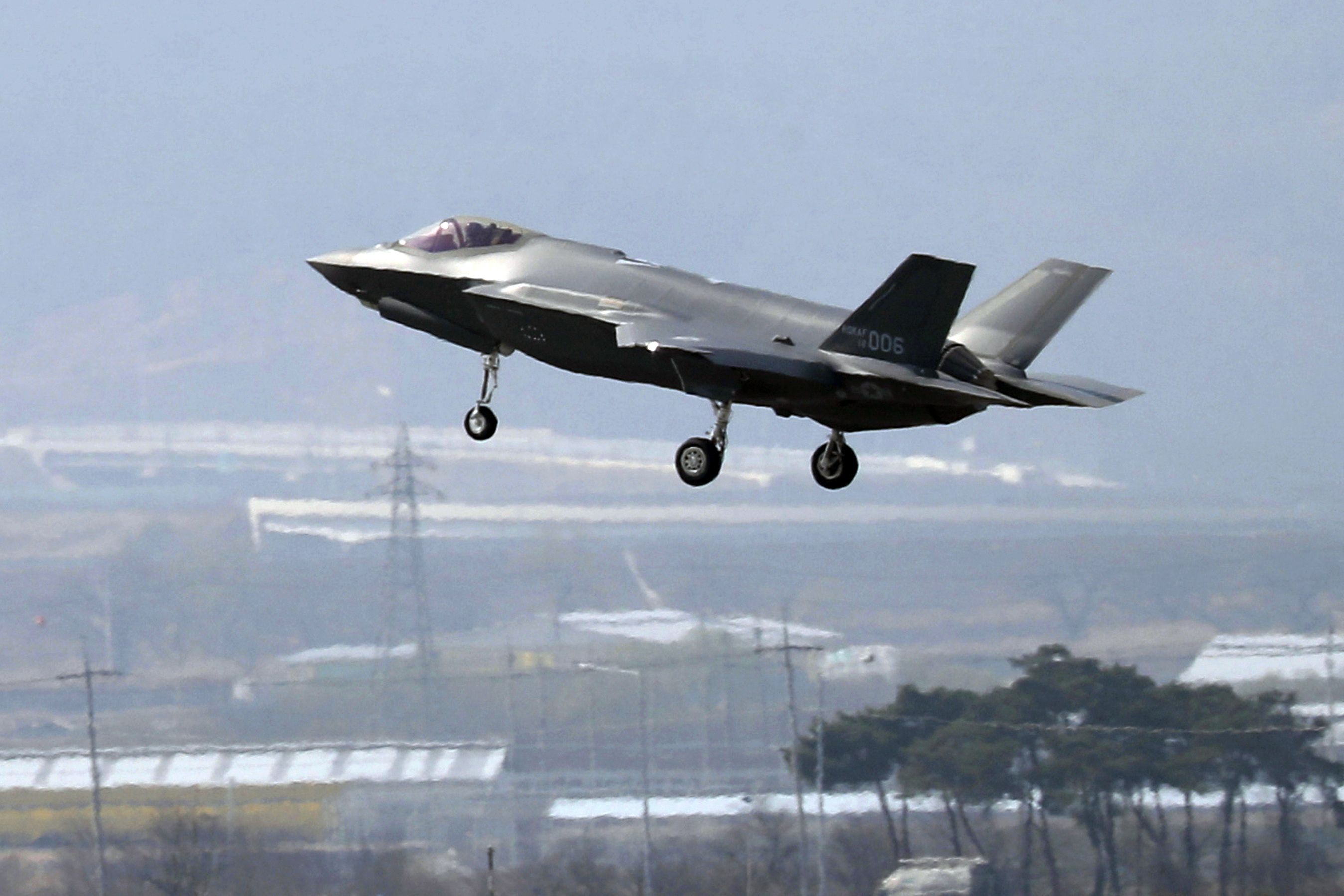
WASHINGTON • In a major break with a longtime ally, the Trump administration on Wednesday said Turkey is being kicked out of an American-led fighter aircraft program because it is buying a Russian air defense system that would aid Russian intelligence.
The decision has significant implications for the cohesion of NATO, whose central strategic purpose is to defend against Russian aggression. Now that NATO member Turkey has chosen to buy and deploy the Russian-made S-400 air defense, it will no longer be fully part of the alliance’s air defenses, which are at the core of NATO strategy.
The U.S. government’s concern is that the S-400 could be used to gather data on the capabilities of the F-35, and that the information could end up in Russian hands.
Pentagon officials sought to downplay the rift, noting that Turkey has been a key ally for more than six decades.
“The U.S. still values our strategic partnership with Turkey,” said Ellen Lord, the Pentagon’s chief weapons buyer, who told a news conference that the U.S. has suspended Turkey from the F-35 program and is beginning the process of its formal removal. Lord said Turkey stands to lose $9 billion in future earnings as an F-35 parts supplier.
David Trachtenberg, the Pentagon deputy undersecretary for policy, told reporters the U.S.-Turkey military partnership “remains very strong,” and that U.S. and Turkish forces will continue to exercise together. He declined to explain how Turkey can remain a full partner in NATO’s integrated air defense while using a weapon system built by NATO’s chief adversary.
It’s clear, however, that senior U.S. officials worry about the future of the relationship with Turkey. Mark Esper, Trump’s nominee to be the next secretary of defense, told his Senate confirmation hearing on Tuesday that it is “very disheartening to see how they have drifted over the past several years” away from the West.
Although it is never publicly acknowledged by the U.S. government, the Pentagon stores nuclear weapons at Turkey’s Incirlik air base. Some national security experts question the wisdom of continuing that arrangement, given Turkey’s drift.
Earlier this week, Turkish President Recep Tayyip Erdogan said his government hopes to co-produce high-tech weaponry systems with Russia in the future, further defying the United States and other NATO allies.
Turkey refused to bow to U.S. pressure, saying its Russia deal is a matter of national sovereignty and that the agreement could not be cancelled.
The decision to remove Turkey from the F-35 program had been expected, although administration officials spent months trying to talk the Turks into reversing course. The final straw was Turkey’s announcement last weekend that it has begun taking delivery from Russia of components for the air defense system, called the S-400.
“Unfortunately, Turkey’s decision to purchase the Russian S-400 air defense systems renders its continued involvement with the F-35 impossible,” a White House statement said. “The F-35 cannot coexist with a Russian intelligence collection platform that will be used to learn about its advanced capabilities.” That “platform” is the S-400.
The White House says Turkey can no longer be part of the American F-35 fighter jet program. In a written statement, the White House said Wednesday that Turkey’s decision to buy the Russian S-400 air defense system “renders its continued involvement with the F-35 impossible.”