






Northeast Notes: Caregiver, protector or both?
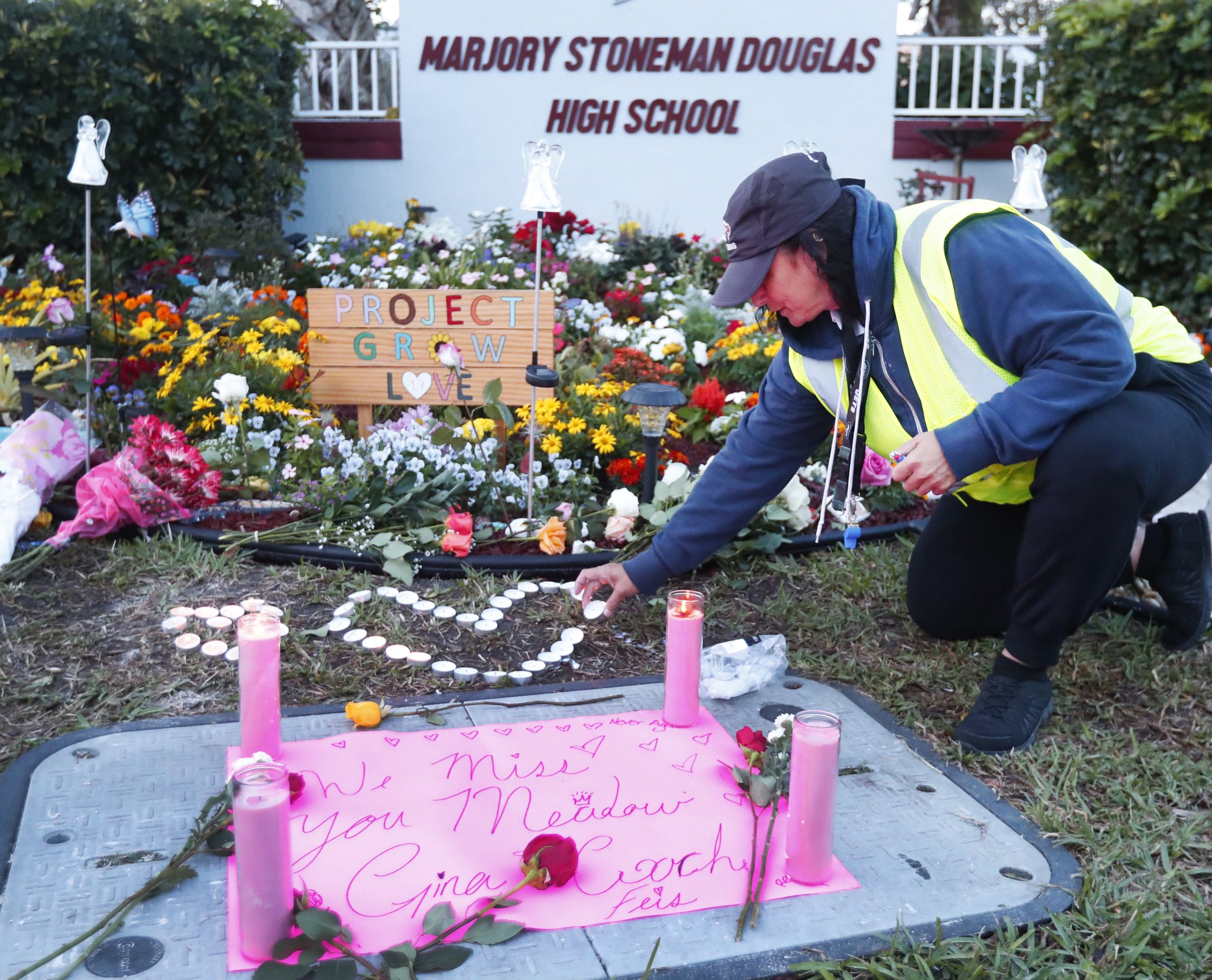
When I hear the term caregiver, I imagine a nurse or a medical assistant helping people in a hospital or a family member caring for a loved one at home. Rarely do I think of a police officer or school resource officer as a caregiver, but that’s the terminology in the legal case recently filed against Scot Peterson in Florida.
On Feb. 14, 2018, Peterson was working as a school resource officer at Marjory Stoneman Douglas high school in Parkland, Fla. One could argue that along with hundreds of students, teachers, and administrators, Peterson was simply in the wrong place at the wrong time — the school where a 19-year-old shot and killed 17 people.
In the immediate hours after the murders, as law enforcement officials and investigators gathered information to recreate a timeline of that terrible day, Peterson was criticized for remaining outside the school during the shooting instead of going inside and confronting the shooter. There were questions. How did someone get inside the school with weapons? How was he able to continue shooting teachers and students for some time? Were there safeguards that might have prevented an active shooter situation? How might people have stopped the shooter, both inside and outside the school building? Every detail was examined in the ensuing investigation and in the media.
A few weeks ago, Peterson was charged with child neglect under a statute that applies to caregivers. The case partly hinges on the argument that his actions exposed students and teachers to harm with reckless disregard for their lives. Other charges include culpable negligence, second-degree misdemeanors and perjury.
Peterson’s attorney believes that since he was acting as a law enforcement officer, he cannot be prosecuted as a caregiver. A New York defense attorney said he has represented police officers who have been accused of crimes but has never seen someone prosecuted for actions they did not take. A Florida defense attorney asked, “are we willing to take what’s perhaps cowardice and make it a crime?”
What do we expect people to do in an active shooter situation? What are police officers and resource officers trained to do in these scenarios? Although the county’s ‘active shooter’ policy calls for officers to ‘interrupt a shooting,’ such policies are open to interpretation. If Peterson had tried to intervene, might that have prevented some deaths?
Ultimately, we rely on the experience and judgment of professionals to respond to situations in the best way possible. We assume they’ll take the best course of action based on their skills and experience. We’ll never know whether things might have turned out differently had Peterson behaved differently. We’ll always wish that day had never played out like it did, or that we could go back in time and erase it from history.
Like a catastrophic hurricane destroying everything in its path, that day’s events destroyed lives, devastated families and changed the community. The struggles of the individuals at Marjory Stoneman Douglas that day aren’t over, but remain obstacles along life’s path. Survivors of tragedies such as this emphasize that people don’t just ‘move on’ after a period of coping and readjustment. Moving forward is full of challenges and difficulties even with support systems like counseling and therapy.
As the legal case against Peterson winds its’ way through the courts, blame will continue to be placed on the shoulders of many individuals, and anger will be directed at the systems which failed to prevent the deaths of 14 students and three adults. That anger is justified each time a weapon is used for violence, injury, or murder. Regardless of how the case goes for Peterson, we’ll continue to wonder how things might have been different that day. Lastly, we should each ask ourselves, in what situations are we caregivers and what might we be expected to do in the face of violence?
Julie Richman is a freelance writer, project manager and consultant. She and her family have lived on Colorado Springs’ northeast side for 21 years. Contact Julie with comments or ideas for her column at woodmennotes@pikespeaknewspapers.com.
School crossing guard Wendy Behrend lights a candle at a memorial outside Marjory Stoneman Douglas High School during the one-year anniversary of the school shooting, Thursday, Feb. 14, 2019, in Parkland, Fla.