






From transgressive to trope: ‘Unlikable’ women suddenly dominate films
In “The Favourite,” Olivia Colman, Rachel Weisz and Emma Stone play Queen Anne, Sarah Churchill and Abigail Hill, three women sparring, seducing and strategizing their way through the corridors of power in 17th-century England.
More cynical than the bleakest “House of Cards” episode with twice as many deliciously nasty zingers, “The Favourite” is just the latest sprout in a bumper crop of movies depicting women, if not at their best, then at least in some form of sisterly solidarity. From the depraved sisterhood of “Suspiria” to Viola Davis coolly leading a team of henchwomen in “Widows,” 2018 is shaping up to be a year devoted to the vicarious pleasures of feminist troublemaking.
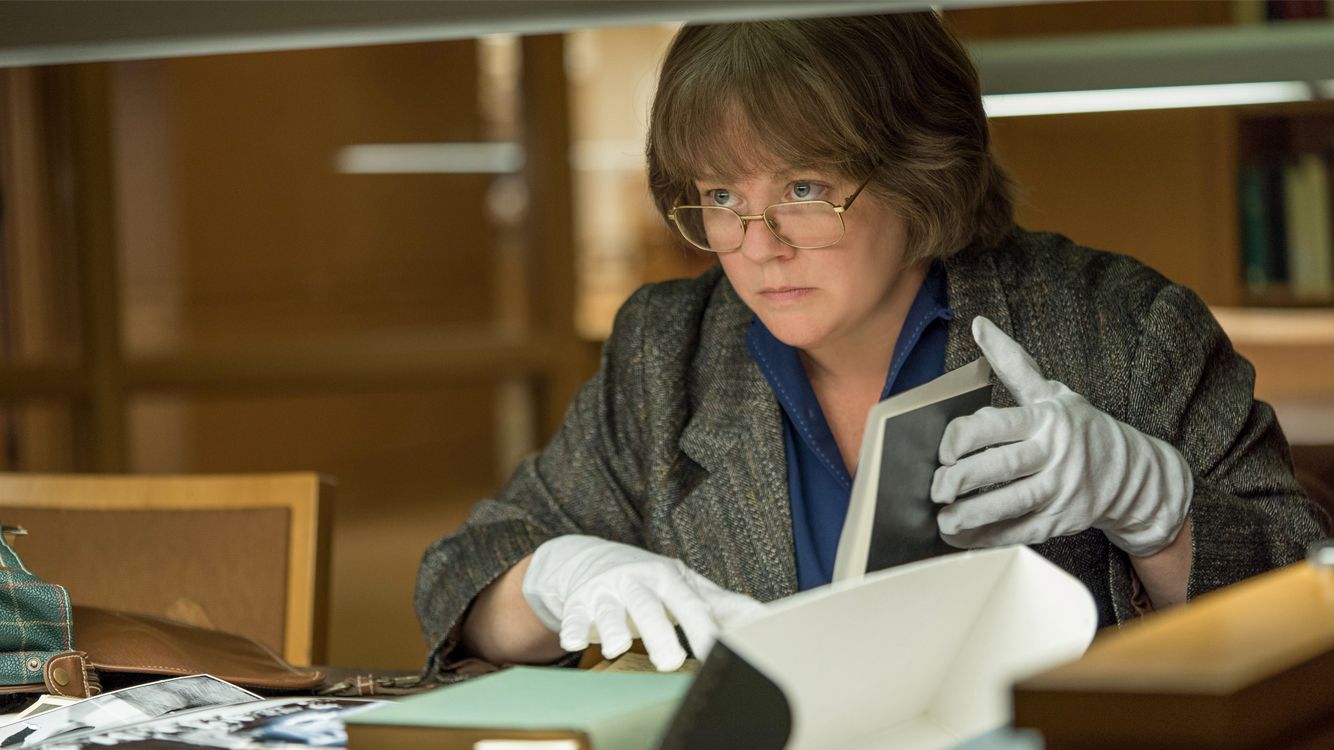
Throw in such tough protagonists as Emily Blunt in “A Quiet Place,” Jamie Lee Curtis in “Halloween,” Melissa McCarthy in “Can You Ever Forgive Me?” and Rosamund Pike in “A Private War,” and the trend is clear: Good girls are out. Difficult women — preferably ones who can defy social expectations to drink, swear, misbehave and screw up a storm — are decidedly in.
In the not-too-distant past, we saw Charlize Theron’s gorgeously androgynous Furiosa in “Mad Max: Fury Road” and Frances McDormand’s fierce, foulmouthed, Oscar-winning turn in “Three Billboards Outside Ebbing, Missouri” as galvanizing outliers, their grim machisma a welcome antidote to the hypersexualized or tiresomely passive roles usually on offer from Hollywood.
Now what was once transgressive has become a trope. Just wait until you get a load of Nicole Kidman playing a bruised, beat-up-looking alcoholic in “Destroyer” or Natalie Portman’s unattractive and unrepentant diva in “Vox Lux.” In the upcoming films “Ben Is Back” and “Vice,” as well as “Private Life,” playing on Netflix, even conventional wife-and-mother roles come spiked with generous doses of spiky anger or quiet political maneuvering.
As delicious as these characterizations can be, they also perpetuate notions of “subversiveness” relegated to whispered asides and neurotic machinations, with strategy reduced to scheming, process to petty manipulation. Face it: Simple professionalism, competence and skill rarely are deemed sexy enough to qualify as entertainment.
Then again, perhaps that contradiction is utterly of a piece with a time when Americans, especially men, still report discomfort with the idea of a female president, and when women account for a vanishingly small number of corporate leaders.
Will this year’s fiercely capable heroines make us more willing to accept female power or more frightened of it? It’s hard to figure out the chicken and the egg. But clearly we’ve gotten the cinematic trope this era deserves, one that encapsulates aspirations and ambivalence in maddeningly equal measure.
Melissa McCarthy in “Can You Ever Forgive Me?”