






Learning how to think like an Olympic athlete: the little things make big difference
Editor’s note: The Gazette is taking a look at the lifestyle of athletes at the U.S. Olympic Training Center in Colorado Springs, asking professionals what the public can learn from the habits and routines of some of the world’s top competitors. Part 1, today — Think like an Olympic athlete; Part 2, Oct. 9 — Eat like an Olympic athlete; Part 3, Oct. 16 — Recover like an Olympic athlete.
Athletes are people, too. But the world’s most elite athletic competitors always need to be reminded of that, says Karen Cogan, senior sport psychologist in sport performance at the U.S. Olympic Training Center in Colorado Springs.
“Athletes are whole people, so they have life issues like anybody,” Cogan said. “Whether it’s relationship problems, financial struggles, parents and family or what to do with my life afterward.”
As these athletes climb to the elite level, Cogan says, some of these distractions can make remarkable differences in performance and success. Olympic-level competitors are all talented, so anything that can give someone an extra edge is crucial.
“As the competition increases and the stakes get higher, the mental game is even more important,” she says.
To help athletes stay in the zone during stressful competitions, Cogan teaches a lot of mindfulness exercises. She encourages her clients to have a pre-performance plan.
“So as they go into these big events, they have something to fall back on, things that are routine and familiar that they do each time,” Cogan says. “If all of those things are similar along the way, it sets them up for success each time.”
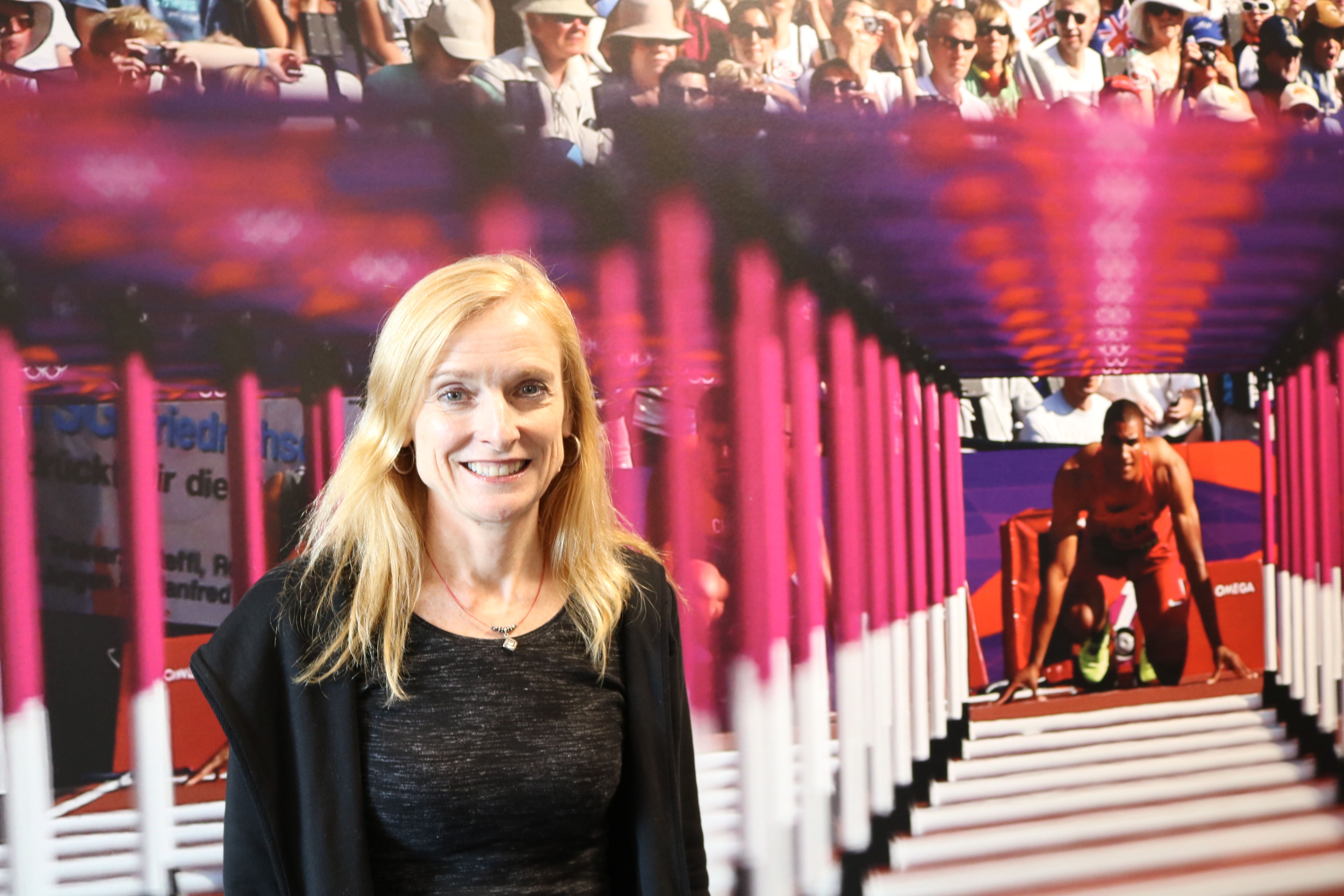
Karen Cogan is senior sport psychologist in sport performance at the U.S. Olympic Training Center in Colorado Springs
While the Olympic Training Center staff welcomes an emphasis on sport psychology, she says, that isn’t always the case.
“There’s always people that don’t understand it or think that instead of actually helping people think less, we’re going to make them think more and that’s going to get in the way of their performance.”
She says some pressure-management strategies she has athletes use include include setting up mock competitions and using virtual reality technologies. They use 3D clips of Olympic Games and other events to comprehend the stress of the environment.
“The Olympics are different than anything else,” she says. “It’s so intense. Athletes oftentimes are not prepared for that even if we try to warn them what it will be like. So if they can experience something somewhat similar, that helps.”
After their sports careers, a sense of lost identity strikes, Cogan says.
“Once they do get to the point of retirement, sometimes we see a lot of other mental health issues come up — depression or anxiety depending on how prepared they are for the transition. It’s a huge transition. It’s so different to go from the life of being an athlete to go to being the general 9-to-5 worker.”
Cogan recommends mindfulness practices to anyone who struggles with feeling present. Many apps and online resources are available, but the practice can look different for everyone.
“Mindfulness really encourages people to work on being in the moment, understand the thoughts that they have, accepting them and coming back to the moment and the breath. There’s not a specific outline. It’s about focusing on the breath, the moment and how you feel right now. You have to sit for 10 or 20 minutes like that,” she says.
For athletes and workers alike, conquering the “mental game” of challenges can make a big difference.
“We’re looking at what’s going to give you that extra point on the medal stand as opposed to not.”
As stakes get higher for Olympic athletes, senior sport psychologist Karen Cogan says that mindfulness and attention to individual psychology can make a significant impact on performance success.
As stakes get higher for Olympic athletes, Senior Sport Psychologist Karen Cogan said that mindfulness and attention to individual psychology can make a significant impact on performance success.