






Stormwater bills to begin July 1, committee might inspect larger bills
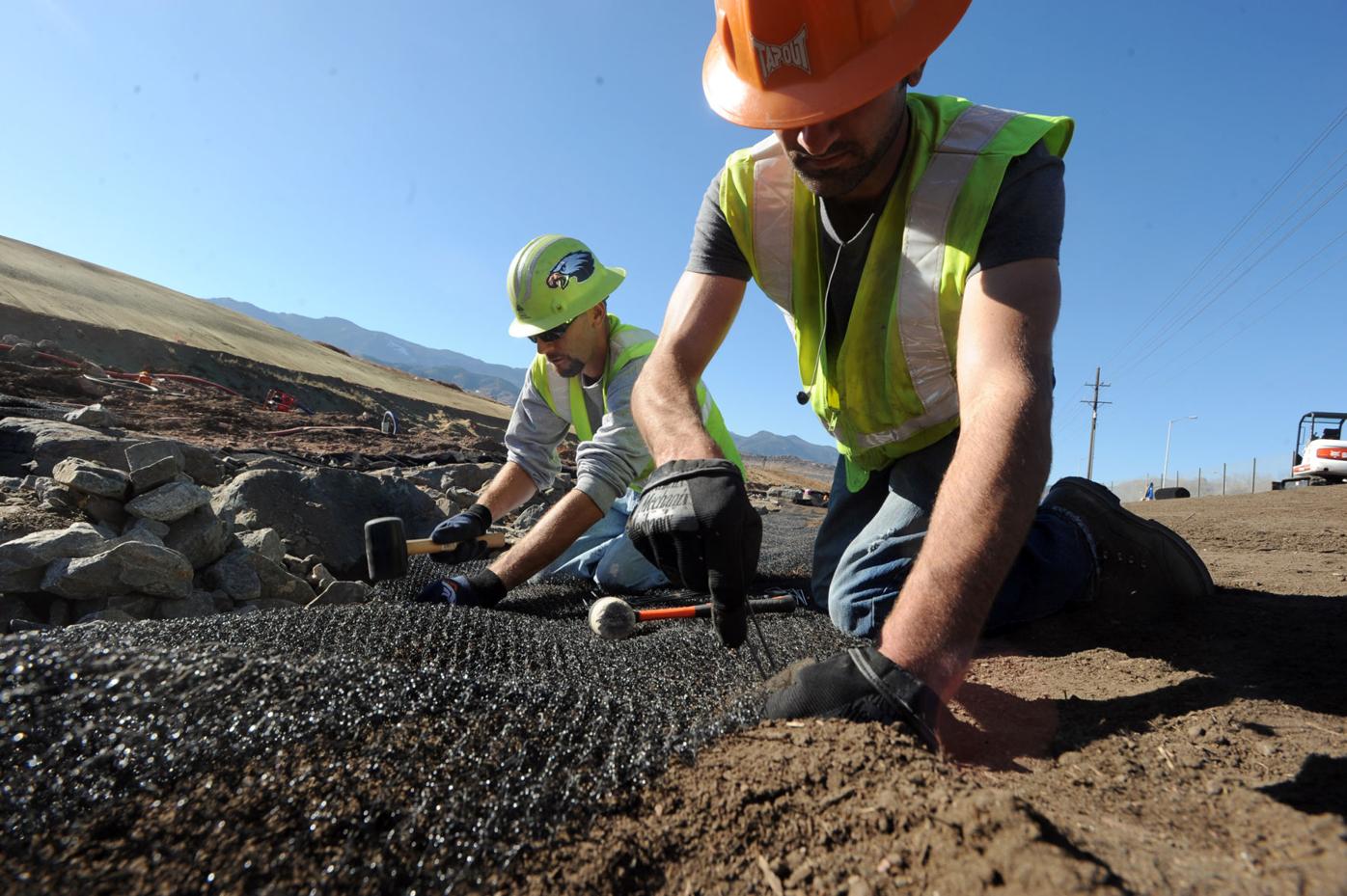
CHRISTIAN MURDOCK
Colorado Springs Utilities customers who own property will get their first bills for new stormwater fees starting Sunday.
Homeowners will see a $5 charge added to their water bill each month. Nonresidential properties will be charged $30 per acre each month.
In a last-minute reversal, though, city officials will not release billing details for properties larger than 5 acres.
About 1,000 such properties will be billed, said Richard Mulledy, manager of the city’s Stormwater Division. But city attorneys have said those bills cannot be released, citing state statute.
Councilman Bill Murray lambasted that decision.
“From day one, I argued that the information needs to be transparent, or the people will not trust the system,” Murray said. “And I’m one of them. I do not trust the mayor’s office. Transparency for stormwater is dead. And in the end, you really don’t know what favors they may be pulling, what waivers they may be using.”
Mulledy said he understands such concerns.
“People deserve to be able to believe it’s being done correctly,” he said of the voter-imposed fees. “Of course they do. It’s the citizens’ money.”
Mulledy said he’s asking for the city’s Stormwater Advisory Committee to examine those bills to ensure everything is handled appropriately. That seven-member committee was appointed in February to objectively oversee the city’s stormwater functions. It consists of engineers, developers, business people and other residents.
Mayor John Suthers told the City Council on Monday that acreage information would be public, but he switched gears after the city’s attorneys alerted him to the state statute. Asked Wednesday to comment on that about-face, Suthers issued this statement: “The stormwater advisory committee can, in closed session, review all non-residential acreage calculations to ensure all fee payers are treated fairly.”
Over the next few weeks, Mulledy said, he should know if that committee can inspect those larger bills.
The fees were resurrected after a push by Suthers, as the city fights a federal and state lawsuit over its longtime neglect of stormwater infrastructure. The fees are expected to raise about $17 million a year for the city. The money can only be spent on 71 projects to mitigate floodwaters and pollutants that might harm downstream communities. But the fees also will free general fund money already allocated for those projects, allowing Suthers’ administration to hire more police officers and firefighters and improve city transportation services, among other things.
For the last half of 2018, the fees are expected to fetch about $8.1 million, Chief Financial Officer Charae McDaniel told the council. That estimate is shy of the $9 million originally anticipated.
Nearly 16,000 nonresidential properties will be billed, Mulledy said. The city assessed those larger than 5 acres to deduct swaths of green space and undeveloped land.
Residential bills are expected to produce $7.9 million a year. And fees from smaller and larger nonresidential properties are expected to collect $3.8 million and $4.4 million a year, respectively.
While Utilities is collecting the residential payments, nonresidential bills will be distributed and payments collected by CliftonLarsonAllen, an auditing, accounting and consulting firm with satellite offices in Colorado, McDaniel said.
Implementing the residential fees through August will cost the city more than $700,000, although a final estimate wasn’t available, McDaniel said. Similarly, the annual administrative cost is not yet clear.
The nonresidential fees cost less to implement, and the number of bills issued will vary, McDaniel said. Each bill mailed to a property will cost $1.73.
Those costs will go down as property owners sign up for electronic bills.
The first six months of nonresidential bills are expected to cost about $258,500 to process, McDaniel said.
Nonresidential property owners can register for electronic billing through a link that will be provided with their first bill, Mulledy said.
More information is available at coloradosprings.gov/stormwater or 385-7876.
conrad.swanson@gazettedev.gazette.com @conrad_swanson
conrad.swanson@gazettedev.gazette.com
@conrad_swanson
