






Pikes Pub: Brewers feeling the crimp of new tariffs
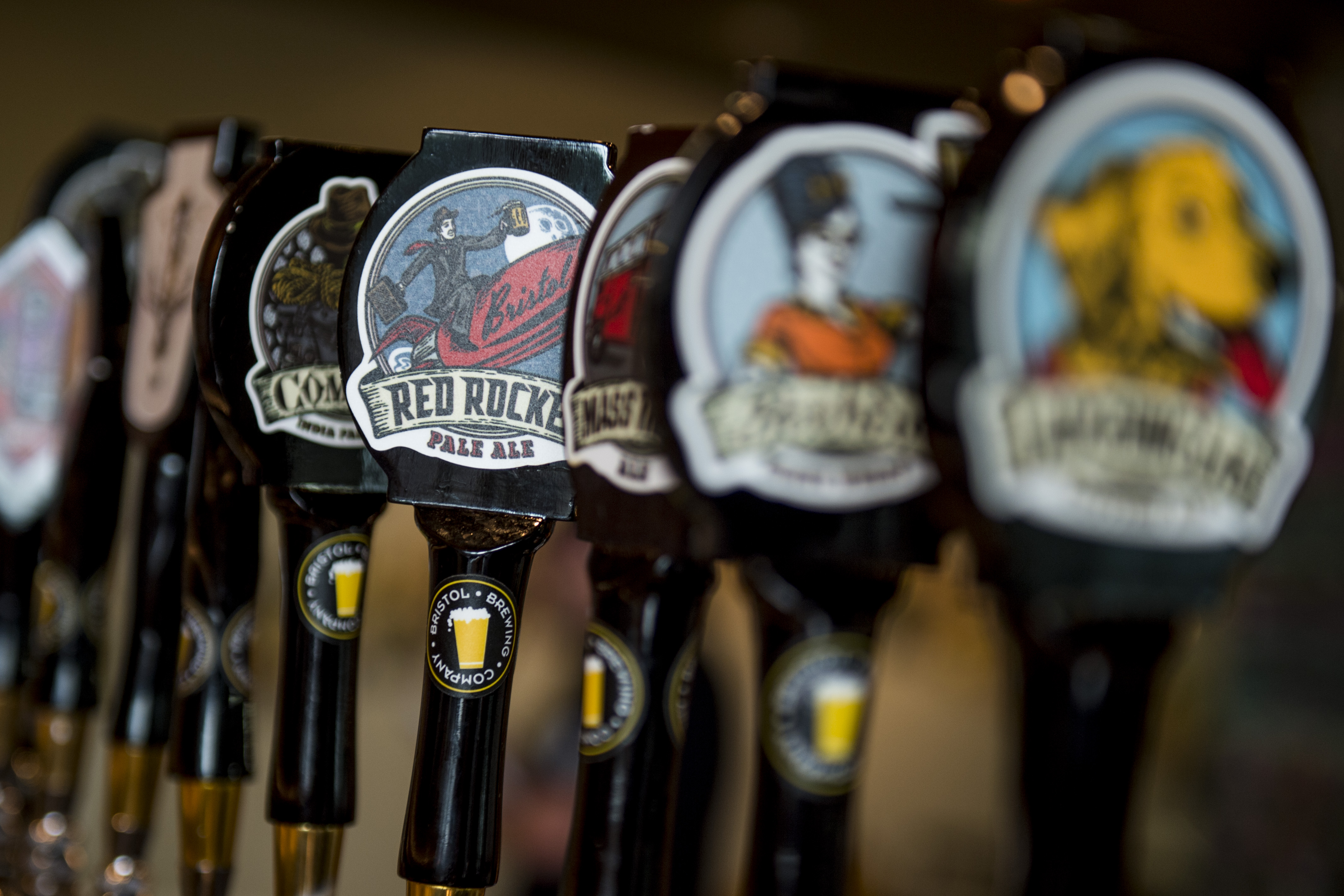
Popping a tab on a cold one could soon cost more if brewers are unable to negotiate leeway in the Trump administration’s recently enacted tariffs on imported aluminum and steel.
Producers of beer in cans say they’re already feeling the crimp from the tariffs – up to 25 percent on imported steel and 10 percent on aluminum – and if things continue there’s little they’ll be able to do other than pass on those costs.
At Monument’s Pikes Peak Brewing Co., that could amount to about $1 per canned six-pack. Owner Chris Wright hasn’t yet given up the fight, though.
“New pricing arrives every quarter, and we’re hoping this is a temporary bump up and (prices) go back down. … For instance, if tariffs get rolled back or if it’s repealed or sheet aluminum is excepted,” said Wright, who began canning his beers in 2013. “That way, we won’t have to increase the price to the consumer.”
Imagine market forces as a volatile, cheap, drunk. Even the threat of tariffs on imported aluminum was enough to send the price-per-pound on a bender, and tripling, this year.
“Even when prices rise by a penny, that’s significant,” Wright said.
Brewers both large and small have united to oppose the tariffs, and Wright was among a group of them convening in Washington D.C. in late May for an annual grass-roots lobbying event organized by the Boulder-based Brewers Association. The gathering, meant to give brewers a chance to talk with legislators about industry concerns, happened to coincide with President Donald Trump’s announcement about the tariffs. The topic – predictably – was a hot one.
“That’s pretty important for us and pretty important throughout the small and independent craft brewing industry . but this is not just a craft beer issue. The entire beer family is united in their opposition to these tariffs,” said Wright. “The great news about all the Colorado elected officials is everyone understands the importance of the craft brewing market and small and independent brewing here in Colorado. They get where we’re coming from and there’s certainly some hope that they’ll go back and challenge the president on these tariffs.”
The majority of sheet aluminum used in canning comes from two U.S. suppliers, who are producing at maximum capacity, Wright said. “My can producer is buying as much as American companies can put out, so it’s not like this is helping American steel jobs,” he said. “We’re not making the choice to go overseas. We have to go overseas.”
Though bottles remain the dominant packaging choice globally, cans have been gaining ground (and non-ironic cachet) in recent years, especially in the craft segment and with the growth in mobile canning options.
“Some (brewers) have started to go for cans and forego bottles altogether,” said Mike Bristol, who began canning his beers from his 25-year-old brewery last fall, through a partnership with Denver’s Great Divide Brewing Co. “We love the cans – and the people that are buying them are loving them – but we’ve had 20 years thinking of our beers in bottles; it’s an educational process.”
The majority of Bristol’s beer still goes into kegs and bottles, but cans are “certainly a growing piece of the marketplace, for us and craft beer in general,” Bristol said.
Though Bristol said he hasn’t yet felt the trickle down, and – for the moment – isn’t too concerned about potential impact, if the price of canned beer at the retail level goes up significantly, he’d be surprised if that didn’t become a factor in people’s buying decisions.
“We’re pretty fortunate in that cans are a pretty small part of our production,” he said, adding that, even so, “I’d hate to see that (cans) go away.”
Canned beverages, by far, are the destination for most of the world’s aluminum, which accounts for 60 percent of packaged U.S. beer.
“The aluminum tariff . essentially is a tax on American beer brewing, so we are very, very concerned about that,” said Jim McGreevy, CEO of the D.C.-based Beer Institute, which estimates the tariffs will have a $347 million annual impact. It isn’t just brewing that’s impacted.
“Brewing’s a pretty significant use, but aluminum that’s brought into the U.S. is used in cars, airplanes. … There are myriad uses including aluminum cans and bottles, and that includes soda,” McGreevy said. “If you’re purely a brew pub and you’re making the beer and selling it on draft, then you don’t have this problem or cost, but so many smaller brewers are moving toward cans and (aluminum) bottles. This is just a new cost that will have to go into their planning.”


