






Don’t eat your placenta, researchers warn
More than 200 millennia of human civilization and two centuries of modern medicine have brought us to this recent heavy-handed admonition by scientific researchers:
It’s probably a bad idea to eat your placenta.
The 11-page, medical jargon-filled article published last month in the American Journal of Obstetrics & Gynecology seeks to provide a clear answer to what many view as a somewhat gross question.
Over the past decade, the authors say, there’s been a growing interest in natural childbirth by people wary of bringing a human life into the world in an antiseptic room full of intravenous drugs, gloved doctors and fluorescent light. And many have questioned whether doctors have it all wrong when they place a placenta in a biohazard bag and toss it out.
After all, for many mammals, the consumption of placentas – placentophagy, as researchers call it – has been going on for as long as there have been placentas.
But the article seeks to tackle two major questions: Is the practice beneficial? And is it safe?
For anyone who missed that day in biology class, the placenta is an organ shared by a pregnant mother and her growing fetus, functioning as the lungs, gastrointestinal system, liver and kidneys of the developing child.
During birth, the organ is expelled along with the baby, and most hospitals discard it as medical waste.
Proponents have said eating placenta reduces pain, improves mood and energy level, increases milk production and may even have anti-aging properties – a wonder drug produced by a pregnant woman’s own body.
For humans, eating placenta has been a fringe practice until recently.
Positive placenta-eating anecdotes have flourished, and so have companies that charge hundreds to prepare a placenta for consumption, dehydrated like beef jerky or processed into smoothies or pills.
Meanwhile doctors – and policymakers who regulate what is safe to put in our mouths – admit to being somewhat flummoxed by the practice.
According to the research paper, more than half of obstetricians and gynecologists said they were uninformed about the risks and benefits of the practice, and 60 percent said they weren’t sure whether they should be in favor of it.
That vacuum of sound medical advice by family doctors has been filled by celebrities and reality TV stars.
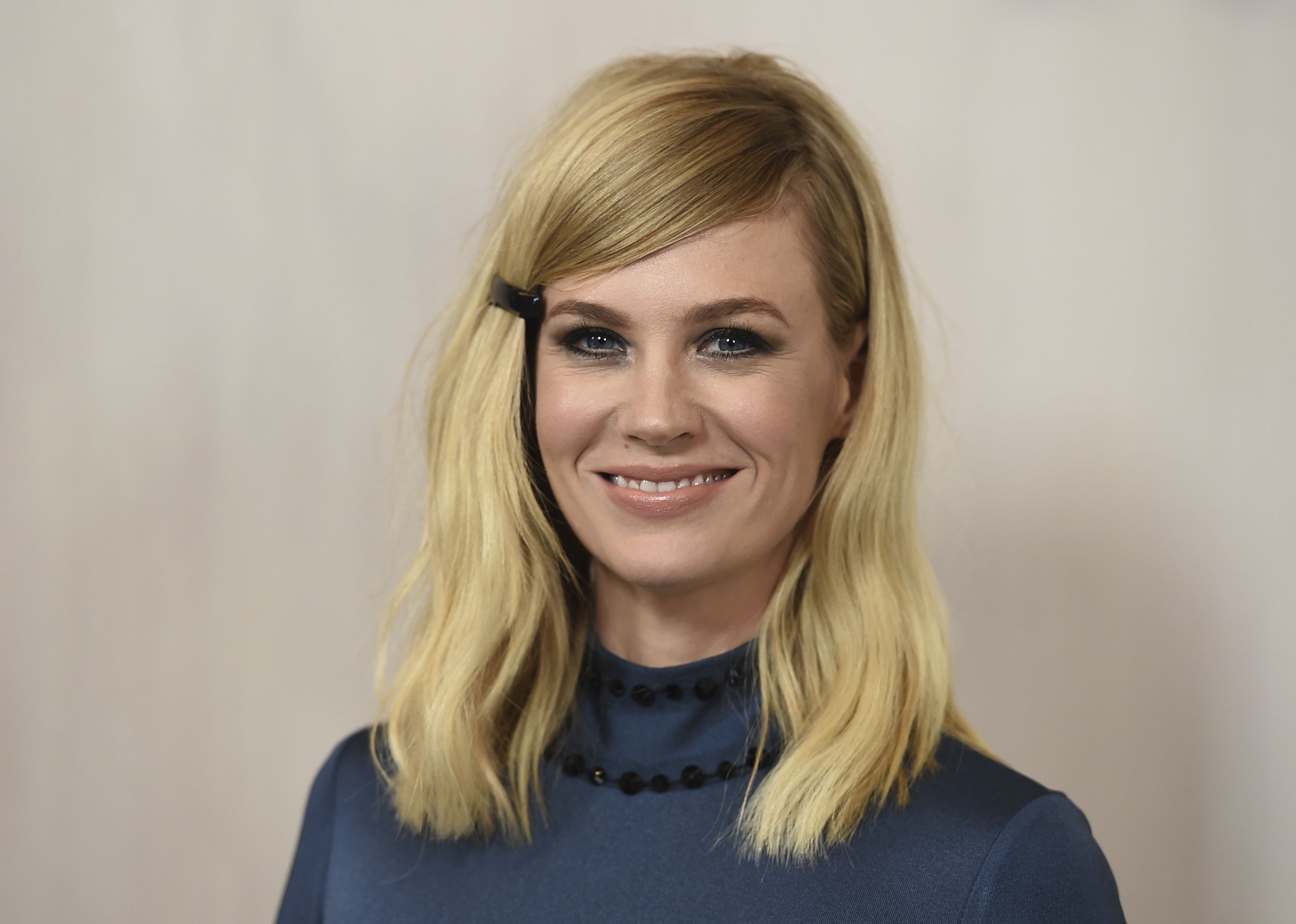
January Jones told People Magazine that placenta consumption is “not witch-crafty” and that the capsules helped her get back to a grueling “Mad Men” shooting schedule after her son was born. She ingested the placenta pills everyday.
Kim Kardashian West tweeted about eating her placenta in a bid to get people to download her app. Her sister, Kourtney, fed some placenta to her family as a prank.
Buoyed by the celebrity endorsements, a cottage industry has sprung up to make placenta palatable – more like popping a vitamin pill.
So there’s no question that people are eating placentas, but is anything good happening afterward?
The researchers’ answer: Nope.
Until recently, it’s been of little consequence. People have always done things that seem weird or gross to others – unpalatable but harmless.
But in June the Centers for Disease Control and Prevention released a warning about placenta eating. A new mom in Oregon passed on a potentially deadly blood infection to her breast-feeding baby. The cause: Capsules of the placenta the mother had been ingesting since giving birth.
“Because placentophagy is potentially harmful with no documented benefit, counseling women should be directive: physicians should discourage this practice,” the recent study says.
January Jones arrives at the 15th annual Hammer Museum Gala in the Garden on Saturday, Oct. 14, 2017, in Los Angeles. (Photo by Jordan Strauss/Invision/AP)
January Jones poses backstage at the 5th annual NFL Honors at the Bill Graham Civic Auditorium on Saturday, Feb. 6, 2016, in San Francisco. (Photo by Jordan Strauss/Invision for NFL/AP Images)
January Jones arrives at the 23rd annual ELLE Women in Hollywood Awards at the Four Season Hotel on Monday, Oct. 24, 2016, in Los Angeles. (Photo by Jordan Strauss/Invision/AP)