






‘Disposable’ women? TV wives keep dying on male-centered shows
Wives on television are having a rough year.
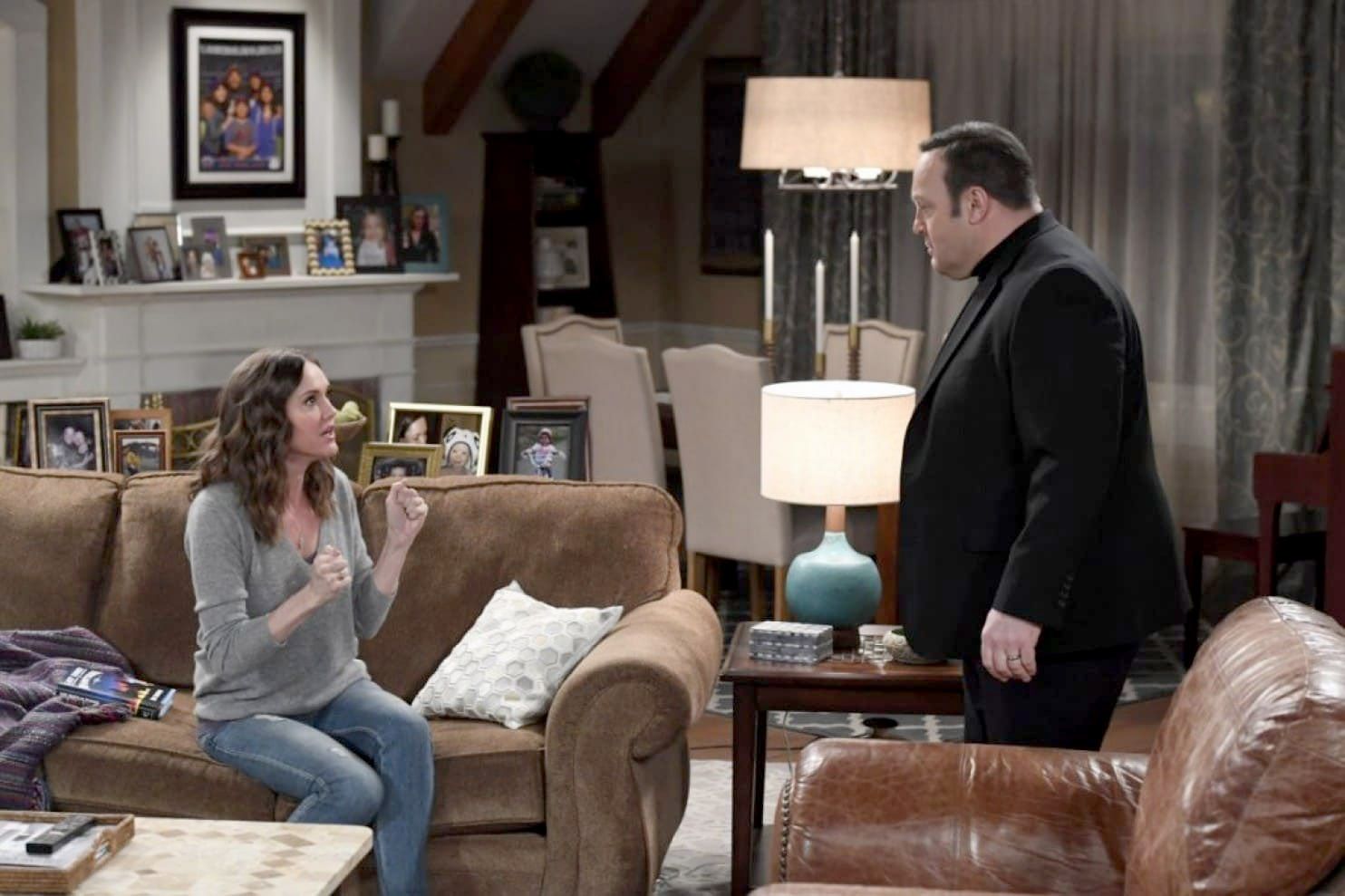
“Blue Bloods,” “Kevin Can Wait” and “Ray Donovan” recently killed off prominent female characters to power plots revolving around the show’s leading men.
The spate of deaths caused Philadelphia Inquirer television critic Ellen Gray to declare her unhappiness with “TV’s long love affair with dead mothers.”
“As long as I can remember, there have been dead moms on television,” Gray said in a phone interview.
It’s a practice stretching back decades.
In the western “Bonanza,” which aired from 1959 to 1973, one recurring plot was Little Joe’s inability to find a romantic partner. “Every time it seemed like Little Joe would be happy, his wife or girlfriend would have to die,” Gray said.
The 1960s gave rise to shows in which children were being raised by single men. In the “Courtship of Eddie’s Father,” which aired from 1963 to 1972, Tom Corbett (Bill Bixby) is a magazine publisher and widower raising a young son. And on “Family Affair,” which aired from 1966 to 1971, Bill Davis (Brian Keith) is a bachelor suddenly faced with raising his three orphaned nieces and nephews.
The trope, or cliché, of a plotline created by a dead wife and mom exploded in the 1980 and 1990s, birthing such shows as “Diff’rent Strokes,” “My Two Dads,” “My Three Sons,” “Who’s the Boss?” and “Full House,” said Richard Thompson, director of the Bleier Center for Television and Popular Culture at Syracuse University.
When shows run several years, Thompson said, they often run out of stories to tell and need to pivot. If this includes cast changes, often it’s the women who will be written off the show – and if the women are mothers and spouses, then there’s an added emotional punch.
“If the title of a show is ‘Ray Donovan,’ you can’t kill off Ray,” he said.
These deaths could be the dying gasps of an old trope, though. The last decade brought shows featuring female drug dealers, lawyers, detectives and doctors – leading roles traditionally played by men. Most of these characters were not simply defined by motherhood or their romantic relationships with men.
Today, “Orange is the New Black,” a show about a female prison, is one of Netflix’s crown jewels, and HBO’s “Big Little Lies,” a murder mystery featuring three female leads, won eight Emmys last month.
“Over the last 10 years or so, TV has become a place where great actresses of a certain age can come to be more than just the supportive wife (or the nagging wife), and play the complicated lead themselves,” said Alan Sepinwall, television critic and author of “The Revolution Was Televised.”
“Any indication that women are not disposable is a good sign,” Gray said. “It just might take the networks some time to catch up.”
Kevin (Kevin James) argues with his wife Donna (Erinn Hayes) in season one of “Kevin Can Wait.” MUST CREDIT: David Russell, CBS
Kevin (Kevin James) argues with his wife Donna (Erinn Hayes) in season one of “Kevin Can Wait.” MUST CREDIT: David Russell, CBS