






Inflation is back, but so are its risks
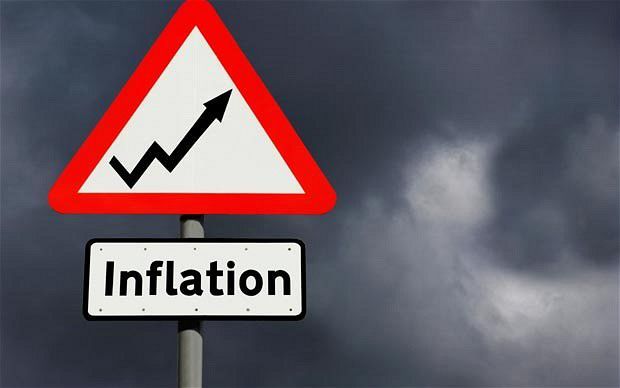
From goods leaving the factory floor in China’s industrial towns to gasoline at the pump in Europe and America, prices that stayed low for years are going up. So that’s a good sign, right?
After a period of central bankers fretting about deflation and resorting to unconventional techniques, the easy answer is “yes.” But whether faster price gains mean that the world is healing from the Great Recession may be revealed only by what happens next.
In the rosy case, the global economy is now being offered a tonic by resurgent pricing for key commodities such as oil and iron ore, and a buoyant U.S. entering the presidency of Donald Trump will help drive demand, wages and investment everywhere.
In another scenario, a litany of political risks from Trump himself to the potential bungling of Britain’s exit from the European Union await the unwary, and reflation could end up crimping consumer spending while failing to propel wages and investment.
Evidence of a decisive shift away from the deflation danger zone presented itself loud and clear in Germany on Tuesday, when data showed December price growth jumped a percentage point to 1.7 percent, the biggest increase on record. That helped push the euro-area number beyond economist expectations to its fastest pace since 2013.
In China, factory-gate inflation accelerated to the highest since 2011 in November, and in the U.S., the world’s largest economy, the Federal Reserve’s preferred gauge of inflation was up 1.4 percent year-on-year for October and November, making for the fastest gains since 2014. Those shifts, coupled with expectations of faster U.S. growth and Europe’s ongoing monetary stimulus, have helped the world economy pull back from a deflationary spiral.
“It is our belief that 2016 marked the end of the global deflationary pressures that have prevailed in recent years,” Michael Shaoul, CEO at Marketfield Asset Management, wrote in a note to clients.
In HSBC’s latest quarterly round of global forecasts, growth and inflation in each year from 2016 to 2018 are seen higher. The bank predicts inflation in developed economies at 1.9 percent next year, pretty much in line with many central banks’ definition of price stability.
In Japan, where the struggle against deflation has been acute, policymakers are confident the improving global picture will help.
And in the U.S., the president-elect’s pledge to unleash lower taxes and fiscal spending has bolstered inflation expectations to the point that the Fed is on early alert, watching for signs that nascent price pressures are turning urgent.