






Old junk transformed into new treasures
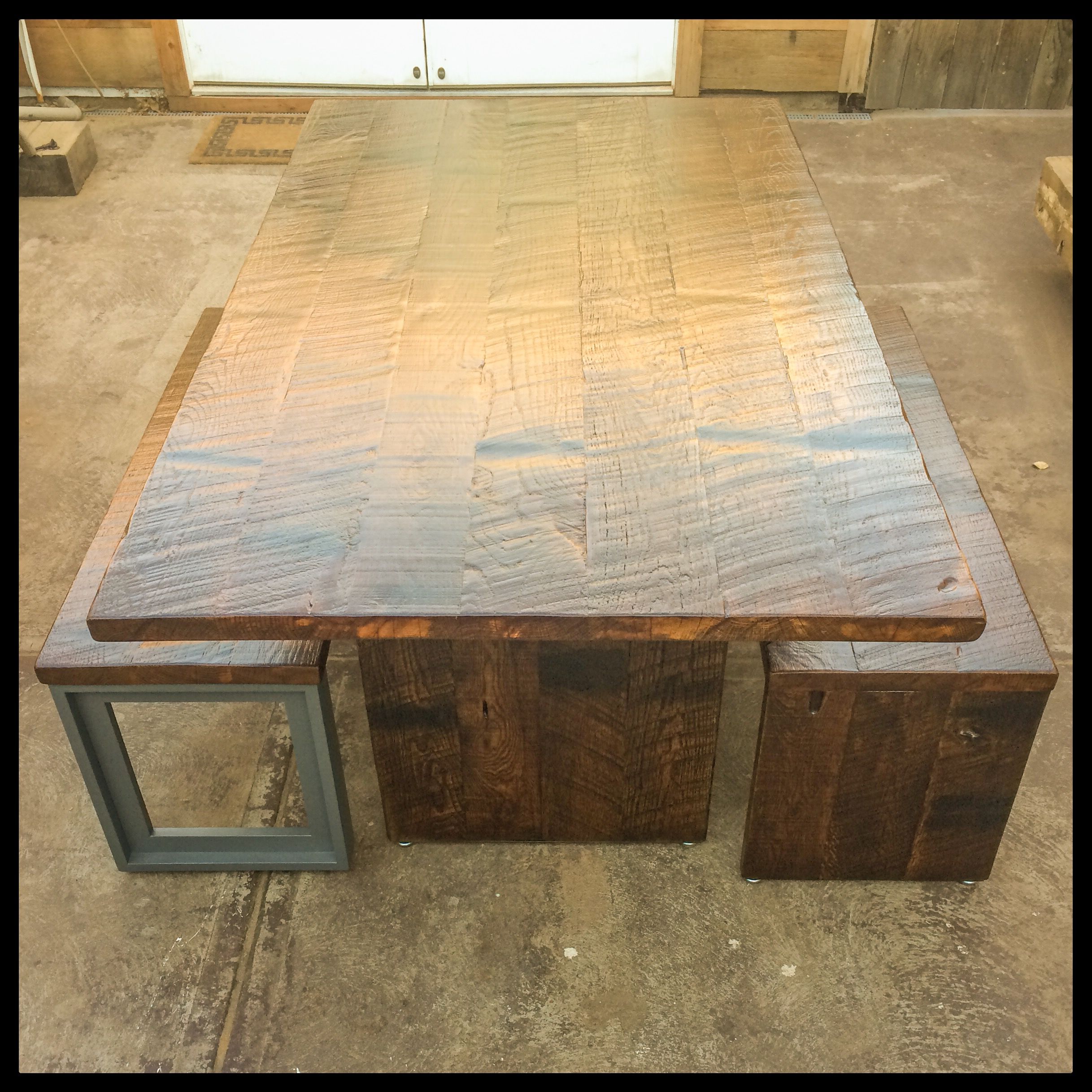
Upcycling may seem like the latest home décor trend, but historically, rather than throwing possessions away, Americans have been re-using or turning things into something else for generations.
Slightly newer to the movement is the use of reclaimed materials emerging as a dominant choice – not just for do-it-yourself enthusiasts, but architects, builders and designers as well. Reclaimed or repurposed elements preserve a little bit of history, add character and interest, and generate typically one-of-a-kind pieces with a creative and unique touch.
“I find that movements generally begin as a response to something cultural and end up becoming a part of pop culture of itself, often with far less attachment to where they began,” David Voth, founder of The Splinter Project said. “I think that’s true of the ‘upcycle’ movement. There are some smart and creative folks in the world who find a new use for an old or near useless thing or material.”
Unlike recycling, upcycling is taking existing materials and improving the original item. Doing it well requires creativity, ingenuity and vision. The end result is typically a product or item that is one-of-a-kind, handmade and sustainable.
“I love the idea that I can take a piece that someone found no longer relevant to their life and give it a new chance to make someone else more comfortable and more themselves in their home,” Voth said. “And many of the things I make are absolutely the only one in existence, which fills my rebel heart with joy as well.”
Materials suitable for upcycling are found around just about every corner, or by searching your home for items that you’re bored or tired of. Reclaimed wood often comes from old, run-down barns, houses, factories, pallets and other structures.
Other great resources for upcycling materials include flea markets, garage sales and thrift stores. The right inspiration and resourcefulness can result in upcycling just about anything; furniture, clothing, wine bottles, newspapers, milk cartons, suitcases, you name it – if you no longer have a use for it, you can upcycle it.
“Even though the popularity of these ideas has made it a more complicated prospect to be a viable business, and often means paying real money for high quality used materials, at The Splinter Project I use reclaimed materials whenever I can,” Voth said. “We live in a complex world, but it makes me feel like I’m doing a very little bit to make it a less throwaway society.”
Plain and simple, upcycling makes a positive impact on the environment. Helping to eliminate additional items from the global garbage stream, it only requires the right amount of creativity and elbow grease.
Keep in mind that the heart of upcycling is to give an item a better purpose by transforming it into something useful and beautiful. “It’s also possible to get carried away and ruin some vintage thing that is valuable in and of itself under the guise of repurposing,” Voth said.
Developing a taste for vintage things in Colorado Springs thrift stores, Voth now makes furniture and décor out of his home shop in Denver. “I’ve been interested in things with a previous life for a long time,” he said. “The strange, sometimes hilarious, rare pieces of the past; a cowboy shirt unseen since the 1970’s or a Scandinavian dresser tossed out when someone passed.”
Go online to TheSplinterProject.com and check out some of his innovative designs, or on facebook.com/TheSplinterProject/ and instagram.com/thesplinterproject/.