






After snowy start, February goes out like a lamb; red-flag warning issued
This year, February in Colorado has earned the right to a March proverb: “In like a lion, out like a lamb.”
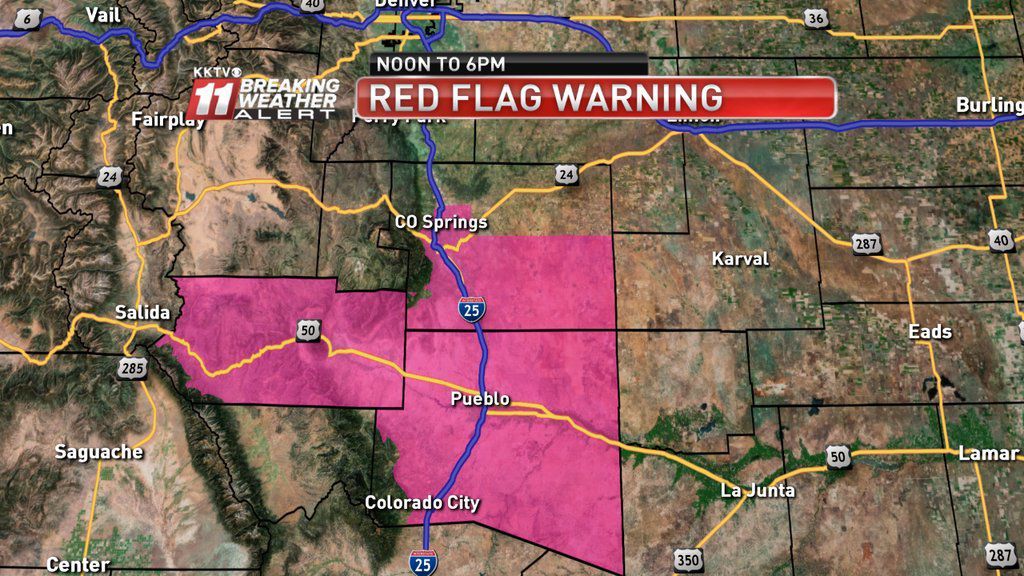
The National Weather Service forecasts a high of 63 and windy conditions in Colorado Springs on Monday. It’s also issued a red-flag warning for the city and the rest of southern El Paso Paso County along with Fremont County and most of Pueblo County.
The month started with a massive snowstorm and that dumped more than a foot of snow in the downtown Colorado Springs and around the Pikes Peak region. It was the kind of storm that could have left piles of brown, snow frozen on residential streets for months. But the weather had a different plan – weeks of warm temperatures.
“It’s common to have a warm spell throughout the winter,” said Peggy Perales, a hydrometeorological technician with the weather service in Pueblo.
The sunny, dry and warm days that have characterized the last weeks of February might be the closest Colorado ever gets to a real spring, barring an unusually dry March and April. In February, temperatures were four degrees above normal at nearly 50 degrees, while the month’s precipitation levels remained well above average, despite recent, yet typical, dry spells.
For those looking for a little moisture, some scattered storms might bring some respite in the form of light rain on Monday, said Jessica Lebel, a meteorologist with Gazette news partner KKTV. The slight amount of rain the in forecast might help the region’s dry and fire-prone vegetation, and will likely bring temperatures down into the mid 40s and 50s this week, Lebel said.
Dry spring seasons often presage dry summers and potentially active fire seasons, although the recent dryness isn’t a concern when it comes to the state’s snowpack, said Perales. Throughout the winter and spring, federal and local agencies measure mountain snowpack as a way to gauge water resources for the coming year. While January and February are typically dry for southern Colorado, March in the mountains begins a crucial window for snowfall.
When it comes to water resources, February dryness and warmth in Colorado Springs are not causes for alarm, particularly since the higher elevations still get snow, Perales said.
“I wouldn’t get concerned until the end of May,” she added.
A look at the Pikes Peak summit on February 22, 2016. (Courtesy Pikes Peak Cog Railway)