






The Country Life: Remembering Colorado’s ‘Potato Capital of the World’
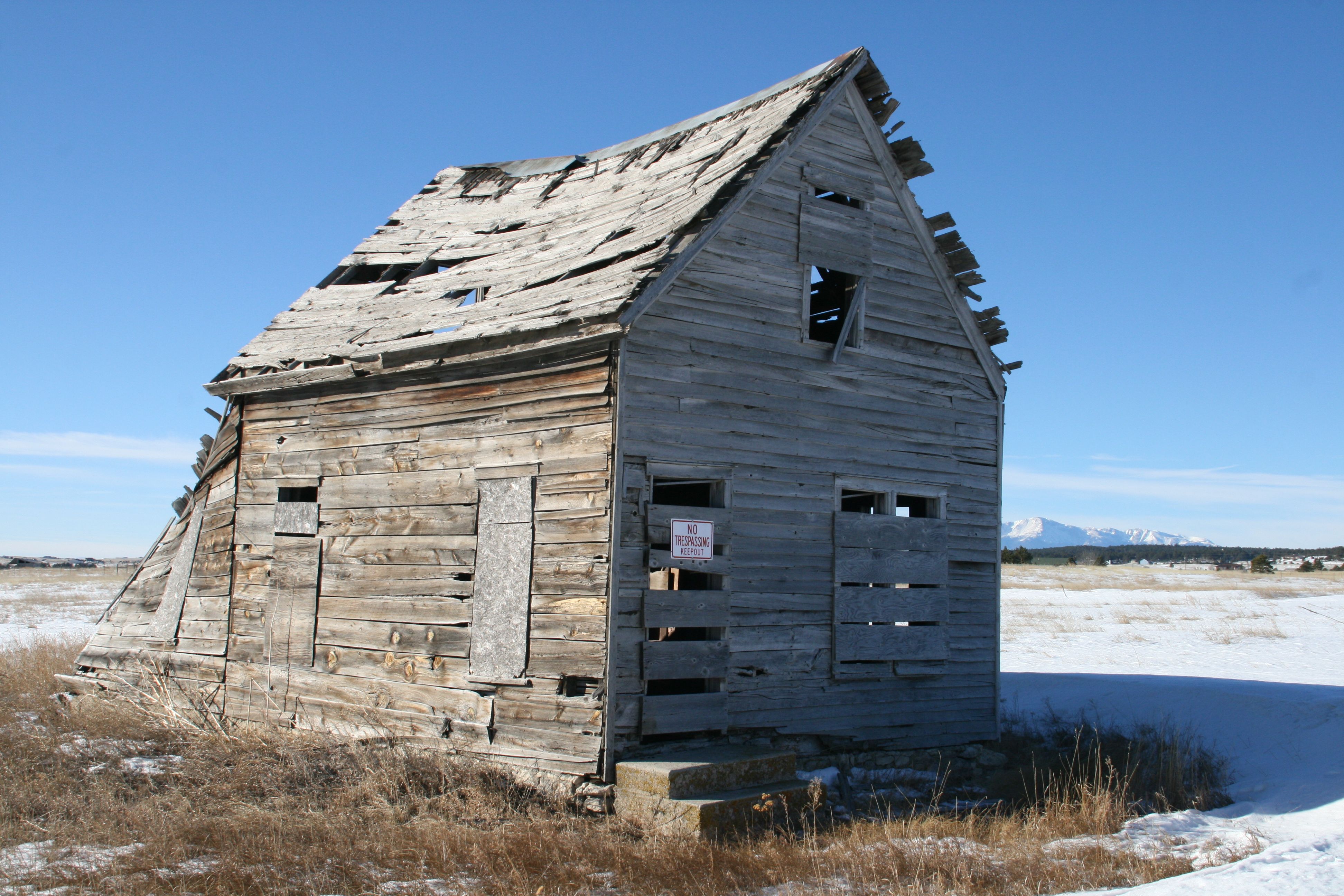
A story in The Gazette on ghost towns in the West sparked my curiosity about a local one: Eastonville.
There are definitely more ghosts than town – mostly what’s left is the Eastonville Cemetery, at Meridian and Latigo roads in Black Forest, and a few structures between Black Forest and Elbert.
But at one time, it apparently was a happening place – the self-proclaimed “Potato Capital of the World.”
Settlement in the area north of Falcon began in 1872 or so; the community originally was called Easton, according to “Colorado Ghost Towns Past and Present” by Robert L. Brown, but the name was changed to Eastonville to avoid confusion with Eaton in Weld County.
The railroad was crucial to Eastonville’s existence; the town was built along the Colorado & Southern Railroad route. The depot in Eastonville, according to reports, served nine passenger trains daily and numerous freight trains.
Charles M. Hobbs, in reflections printed in the July 1950 edition of The Colorado Magazine, published by the State Historical Society, told of early development in Eastonville. The first store in town was owned by John Brazelton. He sold it to John and Orlin Gates, who in turn sold it to Russell Gates Mercantile Co. The company built an “immense” two-story building; the upper story included a furniture store and a large hall with “a splendid stage.”
“The farmers had a market here for nearly all of their products and could buy almost everything they needed for the farms,” Hobbs wrote.
Brown, in “Colorado Ghost Towns,” told of further development: the Foster Brothers general merchandise store, a meat market, three hotels, Dr. Skidmoor’s drugstore, saloons, three churches, a bakery and a livery stable. A weekly newspaper, the Eastonville World, was published for a time.
Despite all that development, it was the community’s agricultural roots that reached deepest.
“Eastonville was surrounded by a splendid farming community and huge crops of grain and potatoes were grown,” Hobbs wrote. “Two-pound spuds were common and there was a great demand for the seed of these dry land potatoes from other potato-growing centers.”
Trainloads of potatoes were shipped from Eastonville and Monument, Hobbs wrote; annual potato bakes were held in both communities.
Eastonville’s reputation as prime potato land apparently drew the attention of professor E.R. Bennett of the State Agricultural College. The May 8, 1909, issue of the Fruit Trade Journal and Produce Record reported that Bennett, in buying 10 acres in Greeley for an experimental farm for growing potatoes, also planned to conduct an experimental farm in Eastonville. The goal: to propagate a potato “as sure of yield as the Pearl” and “as smooth as the Rural” and better quality than either.
The results, though, were less than impressive. “A very poor crop was obtained,” Bennett later reported.
Eastonville’s regular potato crop began to suffer as well, apparently the result of potato blight. That began the decline of the town; its fate was sealed by a devastating Memorial Day flood in 1935 that washed away much of the Colorado & Southern Railroad tracks.
“In a few years,” Hobbs wrote, “only a few buildings were left of what was once a very prosperous place.”


