






Some Pike and San Isabel forest roads closed while because of lack of study
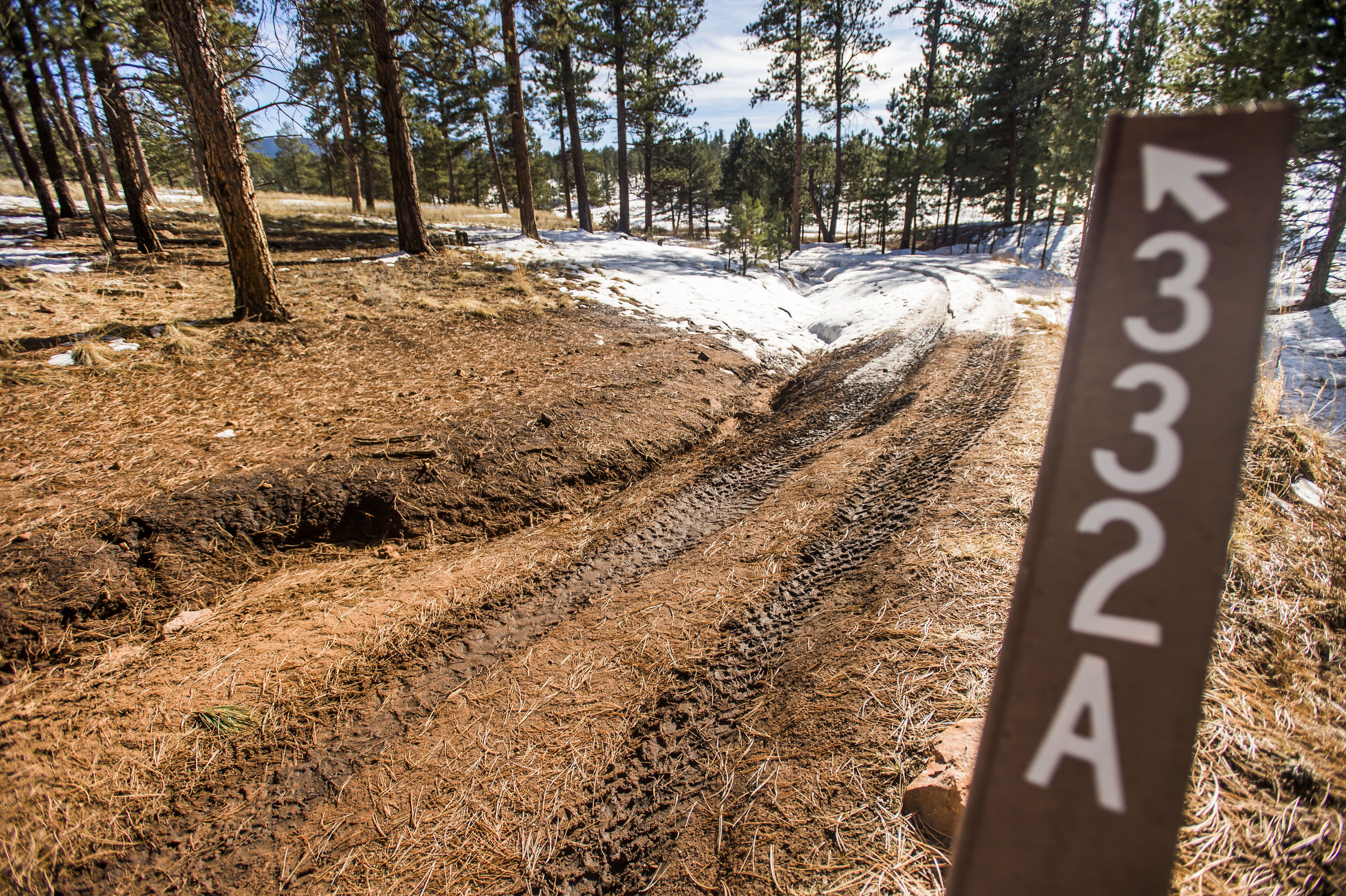
In the coming year, nearly 140 forest roads will be under review and 30 will be closed following a U.S. District Court settlement that declared 500 miles of roads that cut through endangered species’ habitats need reassessment in the U.S. Forest Service’s Pike and San Isabel National Forests.
The Forest Service has one year from Nov. 16 to either completely or partially shut down 30 roads for motorized vehicles that run through six ranger districts, as well as conduct a review with Colorado Parks and Wildlife of 137 roads according to the settlement terms reached after a years-long lawsuit over the Forest Service’s process for opening new forest roads.
The shut downs will affect nearly 18 miles of roads, and some of the roads will be closed entirely, while other roads will have short stretches closed.
Those roads will likely remain closed for years while the Forest Service undergoes a court-mandated intensive environmental study of 500 miles of roads in the Pike and San Isabel forests.
The more immediate shut downs are meant to preserve habitats for the Mexican spotted owl and the Preble’s meadow jumping mouse, both considered threatened species. But more analysis could lead to more road closures to motorized vehicles in certain areas of the forest.
The forest service will conduct the study over five years in response to the lawsuit claiming that it skipped a major step in road construction – doing environment assessments and holding public meetings before building new roads in national forests.
In 2011, several environmental groups filed suit against the Forest Service, claiming that 500 miles of road for motor vehicles added to the system in 2008 had been added or built illegally, without the required study or public input. Officials from the Forest Service said they did not flout legal requirements, but they considered other things, such as older maps and regular road use, along with previous environmental studies or public comment when it added roads.
The agency also agreed in the Nov. 13 settlement to pay $151,000 to Earthjustice to cover attorneys fees. The Forest Service will spend $850,000 to $1 million over five years to conduct the study, said Barbara Timock, a spokeswoman for the Forest Service.
“The settlement stops the Forest Service from just adding routes willy-nilly without doing the necessary study, without looking before they leap,” said Ted Zukoski, a lawyer with Earthjustice, which represented the environmental groups. “They didn’t do any environmental review, didn’t ask the public and just added these 500 miles to the roads.”
The road closures will impact routes in the Pike, Leadville, San Carlos, South Park, South Plattte and Salida ranger districts. The settlement also requires that, in the next three months, the Forest Service meet with Colorado Parks and Wildlife officials to discuss what other roads should be closed in the short term, to protect the winter ranges for elk, deer and other big game. The settlement’s requirements will bring the public’s voice into the Forest Service’s review of its guidelines for motor vehicles in the forest, and accountability that Zukoski hopes will diversify how the forest of the future will be used.
“This gives the public a chance to engage with the Forest Service, instead of the Forest Service doing a bunch of spaghetti on this map and saying, ‘You can drive there,'” he said.
There are more than 2,200 miles of motorized roads snaking through the Pike and San Isabel forests. The forests are a recreational haven for southern Colorado – 19 of Colorado’s 54 peaks taller than 14,000 feet are in this region, including Pikes Peak. Although the forest lands have long been popular spots for fishing and hunting, they are also home to rare wildlife, including the threatened Mexican owl and the greenback cutthroat trout.
Motorized vehicle use in national forests has long been a problem, said Zukoski, who collected pages of evidence from frequent forest visitors who saw ATVs and other vehicles using paths that had been made by elk in non-motorized zones. Forest officials might normally struggle to enforce non-motorized zones, but in the Pike and San Isabel forests, officials disregarded environmental signs – such as threatened animal habitats – that should have kept vehicles out, said Zukoski.
“The Forest Service had a route system that was on a map in the 1980s, and to that they added everything they could find on the ground,” he said. “Which means they added a lot of stuff that was never analyzed and a lot of stuff that was just created by people driving around out there.”
The latest maps of motorized routes in the Pike and San Isabel forests were drawn up from 2007 to 2010, adding to the map from 1984. But unlike the 1984 map, the newer maps skipped the environmental impact analysis of the routes in violation of the law, including the National Environmental Policy Act and the Endangered Species Act, according to the complaint filed in 2011.
While Zukoski knows of no other Colorado national forest that has violated the legal requirements for approving road construction, the problems seen in the Pike and San Isabel forests are pervasive throughout the country, he said.
In 30 years of running along the trails and roads of the Salida Ranger District, Tom Sobal discovered many trails that frequent illegal use had turned into roads for motorized vehicles – some of the 500 miles of roads under review. In years of personal observation, Sobal saw the non-motorized zones that were home to elk become heavily trafficked areas for ATVs.
“I still occasionally hike on other sections of the Rainbow Trail on the Salida Ranger District, where the trail is still designated as a single track trail where ATVs are not legally allowed according to (motorized vehicle plans),” Sobal wrote in a court document. He noted that he frequently sees ATVs on the trail. “I have not been able to find any documented decision or public process that allowed part of a trail to become used by and widened for ATVS when they were previously prohibited on that same trail.”


