






Former sprinkler requirements would have impacted few homes rebuilt after Black Forest fire
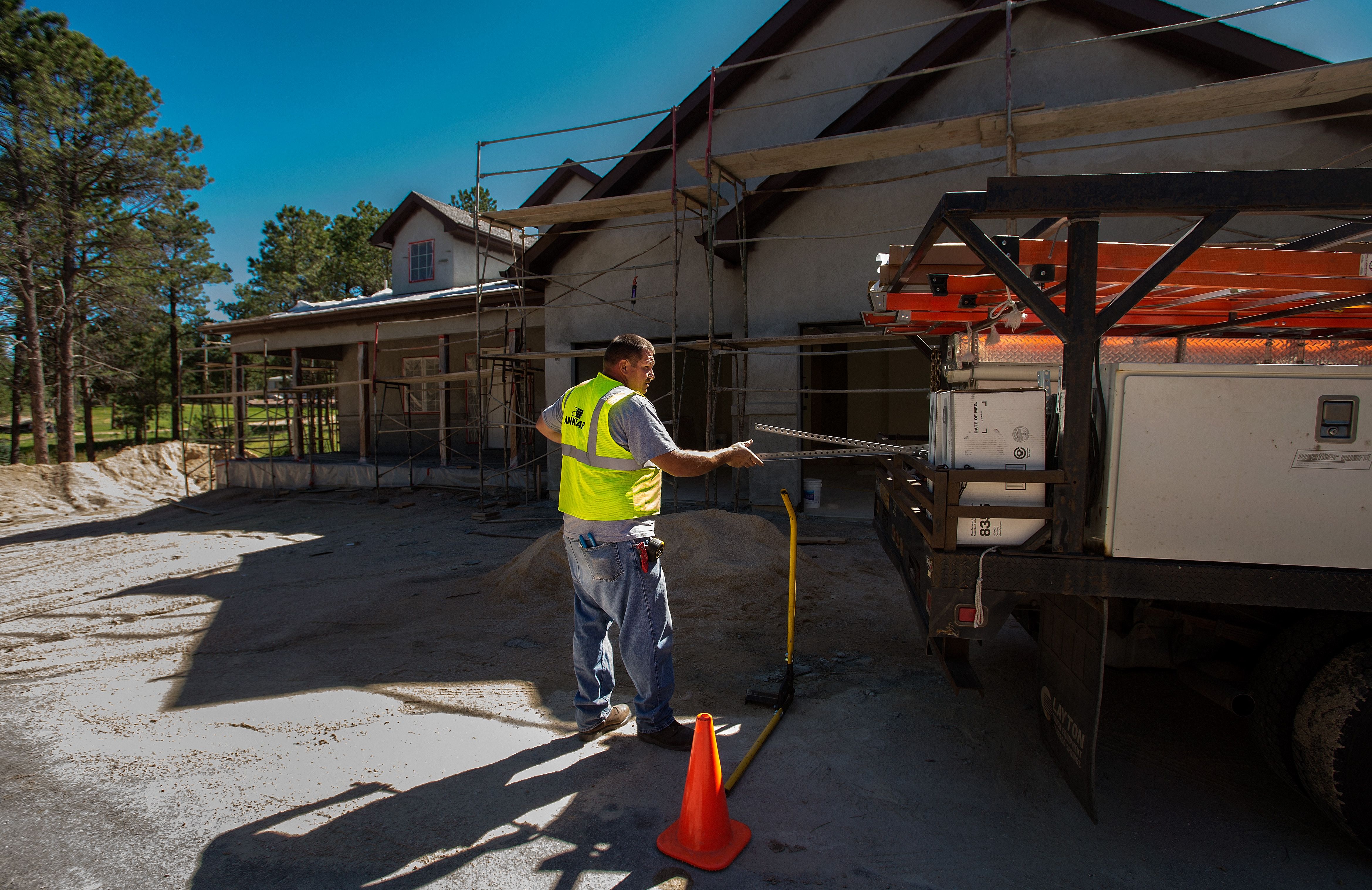
A former El Paso County fire code requirement that homes of 3,600 square feet or more have interior sprinkler systems would have had little impact on rebuilding efforts after the 2013 Black Forest fire.
The fire destroyed 488 homes, 238 of which have been rebuilt; of those rebuilt, 11 have more than 3,600 square feet, said Steve Schleiker, the El Paso County assessor.
During reconsideration of the fire code in 2013, the El Paso County commissioners opted to eliminate that sprinkler requirement, approved in 2006, to ease rebuilding in the devastated forest. In the new fire codes, adopted in December 2013 after more than two years of work, the commissioners also did not include a wildfire-specific code for unincorporated county residents that would have mandated fire mitigation on individual lots.
While done at the behest of residents and out of concern over the financial impacts of rebuilding, the commissioners’ decisions were unusual for a county hit by its second major wildfire in two years. Other governments in Colorado and around the country have responded to major fires by passing more restrictive codes – Douglas and Boulder counties passed new codes after fires, and the city of Colorado Springs has gained national attention for its hillside overlay code, adopted in 2012 after the Waldo Canyon fire.
A National Fire Protection Association study in 2008 found that interior sprinkler systems on average cost $1.61 per square foot. While the systems can be costly, some firefighters have defended them as a good precaution for neighborhoods such as Black Forest, which has no fire hydrants. Even with sprinkler systems, homes in the Black Forest would present hazards to firefighters – little of the forest is mitigated, and many homes are in hard-to-reach areas that were spared by the fire but remain at risk.
Two Gazette articles, published in September and October, highlighted issues about the county’s fire codes. One article addressed concerns expressed at the Colorado Wildland Fire Conference in September by firefighters and experts who frequently list El Paso County as an example of a government that did not take steps to reduce fire risk after a major fire. The commissioners have criticized the tone of the articles.
On Tuesday, in response to the articles, the Pikes Peak Regional Building Department offered an update on the rebuilding of Black Forest at the request of Commissioner Darryl Glenn.
Regional Building Executive Director Roger Lovell told the board that 291 permits for new construction have been issued since the fire. Lovell reiterated his support of the commissioners’ decisions to kill the sprinkler requirement, which Lovell maintained would not make a difference in a wildfire. He did note, however, that mitigation requirements did have a measurable impact on saving homes. There are no mitigation requirements for individual homes in El Paso County.
The commissioners continued to defend their decisions as a matter of preserving private property rights, a sentiment that was echoed by three Black Forest residents who spoke in support of the commissioners’ decisions Tuesday. Among them was P.J. Langmaid, a board member for the Black Forest Fire Rescue Protection District, who thanked the commissioners for making good policy decisions after the fire.

