






How to garden with pets in mind
Veterinarians are starting to preach the gospel of gardening – primarily how organic fruits and vegetables can be used to improve the health of family pets.
Everything from carrots to leafy vegetables and fruits can be added to the cat or dog dish. That saves money on pet food, too.
“I’m seeing things like broccoli, cucumbers, apples and pears showing up in animal diets,” said Dr. Eric Patrin, owner of the South Whidbey Animal Clinic in Clinton, Wash. “Many pet owners are using them as treats. Ten years ago, no way dogs would be getting that.”
The No. 1 nutritional problem for pets is they’re eating way too much, which leads to obesity, diabetes and arthritis, said Dr. Johnny Clark, who operates Blue Mountain Animal Clinic in Luray, Va.
“You can’t exercise your way off a bad diet,” Clark said. “Go with smaller portions. And try introducing green beans. They’re rich in fiber and don’t have any unnecessary calories. They make a good filler and that’s just the ticket for animals needing to lose weight.”
Carrots, leafy greens, blueberries and blackberries also are great pet food additions and can be served raw, steamed or sautéed. Peppermint, catnip and rosemary are standard pet-garden plants, although many mints – including catnip – can be invasive unless contained.
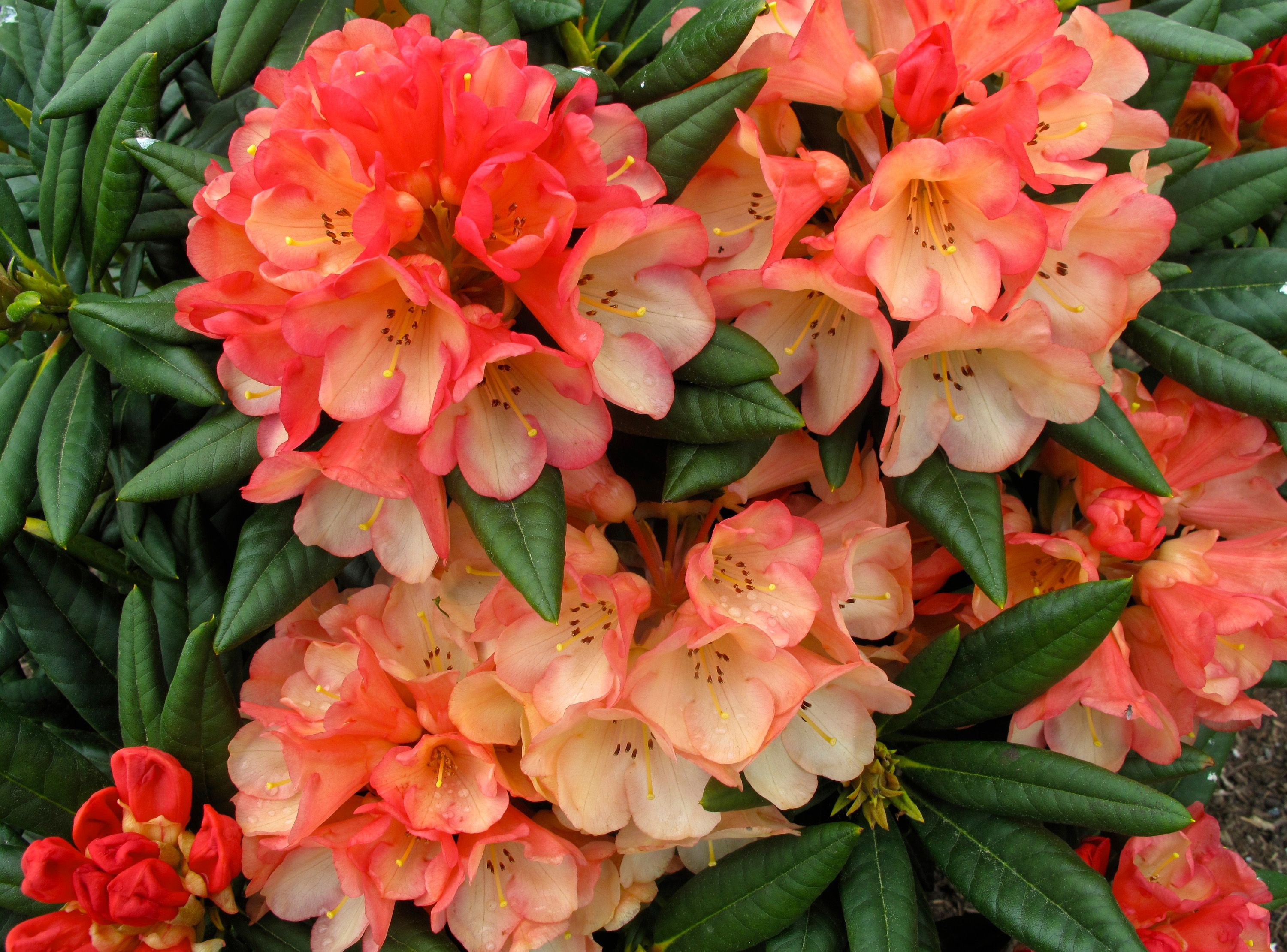
Beware introducing amaryllis, rhododendron, chrysanthemum, dieffenbachia and lilies to your property. They are among the more toxic flora known for canines and felines.
Dogs and cats are grazers, frequently nibbling on grass to soothe what ails them. The problem with that, however, is that many lawns are loaded with herbicides and pesticides.
“I always thought lawns were supposed to be a family refuge,” said John Harrison, sales and marketing manager for the Espoma Co., which makes organic fertilizers for the retail lawn and garden industry. “You can grow good lawns without using chemicals.”
The company has a “Safe Paws” campaign that emphasizes natural gardening solutions.
Organic weed and insect control extends well beyond lawns, he said.
“Look at the totality of the garden or landscape,” Harrison said. “There are a number of situations that can be changed to make yards more hospitable to pets.”
Those include:
– Keeping compost in closed containers. Garden wastes can make your pets sick if eaten while decomposing.
– Mowing grass frequently to keep flea and tick numbers down.
– Avoiding standing water that might contain bacteria, parasites, worms and mosquitoes.
– Storing hazardous materials in a safe place.
This March 31, 2013 photo shows a family dog pulling guard duty for some free-ranging chicks on a yard near Langley, Wash. Dogs and cats are grazers. The lawn organically managed, means it’s safe for animals. (Dean Fosdick via AP)
In this April 18, 2013 photo, many familiar ornamentals, like these Rhododendrun on a property near Langley, Wash., are among the most toxic known for dogs and cats. Organic weed and insect control extends well beyond lawns when you have pets and children roaming the property. Be careful about the plants you select to grow in your yard if you have pets. (Dean Fosdick via AP)